Exhibition | Mary Robinson: Actress, Mistress, Writer, Radical
Now on view at Chawton House, as noted at Art History News:
Mary Robinson: Actress, Mistress, Writer, Radical
Chawton House, Hampshire, 2 September 2024 — 21 April 2025
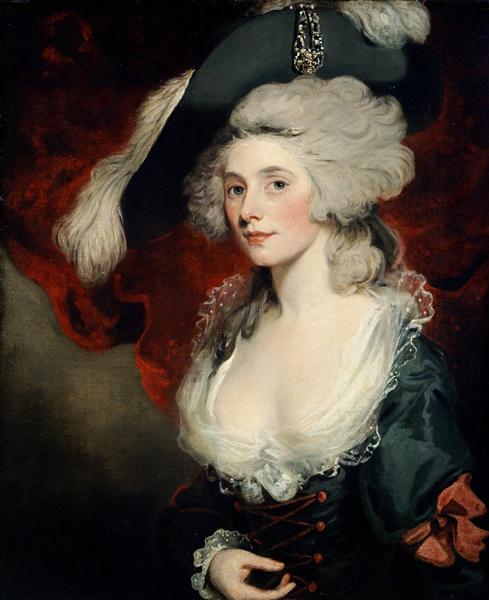
Attributed to John Hoppner, Portrait of Mrs. Robinson as Perdita, 1782, oil on canvas, 79 × 66 cm (Chawton House, Hampshire).
“Her name is Robinson, … she is I believe almost the greatest and most perfect beauty of her sex.”
—Prince of Wales to Mary Hamilton, December 1779
“She is a woman of undoubted Genius … I never knew a human Being with so full a mind—bad, good, & indifferent, I grant you, but full, & overflowing.”
—Samuel Taylor Coleridge to Robert Southey, 25 January 1800
The first exhibition dedicated to the scandalous life and literary genius of Mary Robinson.
A star of the London stage, Mary Robinson (1757–1800) became notorious as a royal mistress. From treading the boards of London’s theatres, to gracing the gossip columns of newspapers, Robinson pioneered celebrity status. She lit up the fashion world, sparking trends with her choice of outfit or carriage, and she went on to light up the literary world with novels, poems, and essays. A talented poet, she developed her distinctive poetic style alongside some of the best-known writers of the day, and she honed her political ideas in the radical circle around William Godwin and Mary Wollstonecraft.
Long remembered only for her relationship with the Prince of Wales (later George IV)—who fell in love with her on stage as Perdita in The Winter’s Tale—Mary Robinson has in recent decades been reclaimed as one of the most important and overlooked writers of the late 18th century. This exhibition traces the extraordinary journey of her life and artistic development from the most famous woman in England to social outcast, exploring her hard-won second career as one of the most popular and influential writers of her day. Rare and early editions of her writing—from the debut novel that sold out by lunchtime on the day it was published to her impassioned argument for women’s rights—are brought together with scant surviving manuscript material from collections and archives across the UK. These will be interpreted alongside the portraits, engravings, and caricatures through which her image was circulated and her reputation both shaped and ruined. Her compelling biography enables reflections on the complexity of female celebrity and sexuality, at the time and in society today.
Chawton House is a Grade II-listed Jacobean manor house in the village of Chawton, adjacent to Alton, Hampshire that once belonged to Jane Austen’s brother, Edward. Chawton House is now a centre for early women’s writing with a collection of over 4,500 rare books and manuscripts written by women from 1660 to 1860. Since 2015 it has been open to the public as an historic house, telling the story of the Austen and Knight families and pioneering women writers.










 Enfilade
leave a comment