New Book | Bluestockings and Landscape in Eighteenth-Century Britain
From Boydell & Brewer:
Markman Ellis and Jack Orchard, eds., Bluestockings and Landscape in Eighteenth-Century Britain: The Prospect of Improvement (London: Boydell Press, 2025), 292 pages, ISBN: 978-1837650507, £85. Available as an ebook for £19. Studies in the Eighteenth Century series, Volume 16.
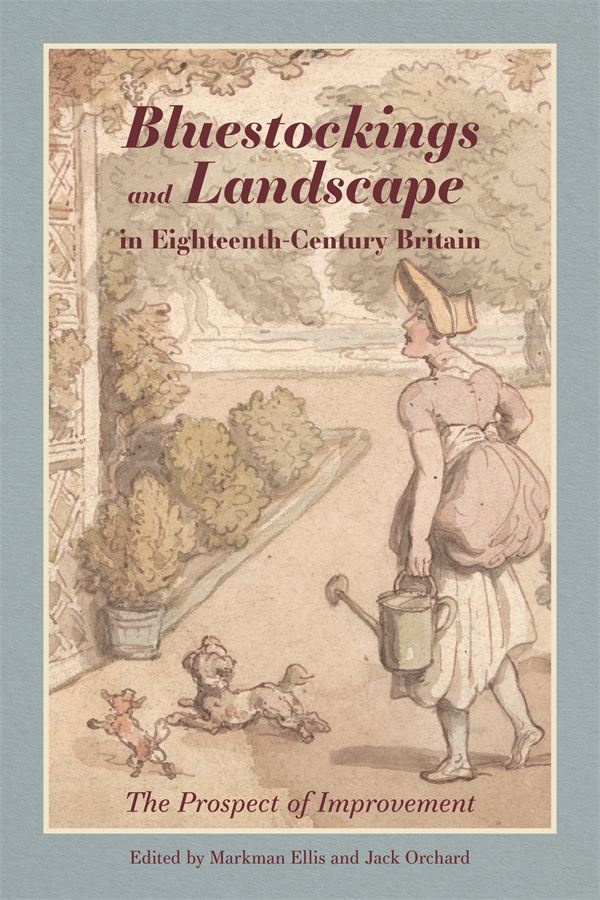 Situated within the broader context of eighteenth-century intellectual and cultural history, this collection redefines the role of the Bluestocking circle in shaping Britain’s landscapes and social ideals. Against the backdrop of Whiggish notions of ‘improvement’—encompassing agricultural innovation, aesthetic refinement, and moral progress—it explores how women such as Elizabeth Montagu, Mary Delany, and Elizabeth Carter navigated the intersections of polite sociability, intellectual production, and estate management. Their contributions reveal a dynamic interplay between cultural critique and practical reform, positioning them as active participants in the period’s debates on land, labour, and national identity.
Drawing on insights from the Elizabeth Montagu’s Correspondence Online (EMCO) project, these essays uncover the creative and social tensions embedded in iconic estates such as Montagu’s Sandleford and Lord Lyttelton’s Hagley Hall. They delve into the poetic and philosophical musings of James Woodhouse, the sociable artistry of Mary Delany, and the symbolic landscapes of Wrest Park. By examining correspondence, poetry, visual arts, and cartography, this volume offers an unprecedented exploration of the ways Bluestocking women engaged with and redefined the designed landscape as a site of intellectual and environmental innovation. This interdisciplinary collection reshapes the historiography of gender, environment, and cultural progress, offering fresh insights into the enduring significance of eighteenth-century landscapes and the intellectual communities that shaped them.
Markman Ellis is Professor of Eighteenth-Century Studies at Queen Mary University of London.
Jack Orchard is Content Editor of the Electronic Enlightenment project based at the Bodleian Libraries, Oxford.
c o n t e n t s
List of Illustrations
Notes on Contributors
Acknowledgements
Foreword: ‘Bringing Elizabeth Montagu to the World’ — Joanna Barker and Nicole Pohl
Introduction: ‘The Prospect of Improvement: Bluestockings and Landscape in Eighteenth-Century Britain’ — Markman Ellis and Jack Orchard
Section One
1 Idioms of Improvement: Gender and Social Relations on the Montagu Estates, 1730–1800 — Steve Hindle
2 Religious Faith, Class Politics, and Equitable Progress: James Woodhouse and Elizabeth Montagu’s Contending Visions of Improvement — Adam Bridgen and Steve Van Hagen
3 Cultivating Wilderness — Ve-Yin Tee
Section Two
4 ‘Another Little Excursion’: On Tour with Mrs Montagu and Lord Lyttelton — Michael Cousins
5 Cultivating Land, Literature, Letters: Textualities of Improvement in Elizabeth Montagu’s Travels in Scotland — Millie Schurch
6 ‘She had no eyes nor understanding to see that it was not a common vulgar garden’: Mary Delany’s Landscapes of Improvement — Kristina Decker
7 Ladies of Landscape: The Discovery of Lady Harriett Garnier’s ferme ornée at Rookesbury, Hampshire — Rosemary Baird Andreae
Section Three
8 ‘The Genius of Rest … those Happy Groves Inspired’: Literary Composition, Coterie Sociability, and the Gardens at Wrest Park — Jemima Hubberstey
9 ‘Fate Led Me from my Lov’d Retreat’: The City and the Country in Elizabeth Harcourt’s Writings — Mary Chadwick
10 ‘Death’s Refreshing Shade’: Elizabeth Carter, ‘Church-yard Poetry’ and Contemplative Retirement in the Gardens of the Dead — James Metcalf
Afterword: Bluestocking Landscapes — Stephen Bending
Bibliography
Exhibition | Beyond The Medici: The Haukohl Collection
Given that the exhibition has been on tour since 2018, it’s laughable that I’ve missed it for so long. The latest iteration is now on view in Phoenix under the title Florentine Baroque: The Haukohl Collection. –CH
Beyond The Medici: The Haukohl Collection
Kuntsammlungen und Museen Augsburg, 20 October 2018 — 20 January 2019
Arp Museum Bahnhof Rolandseck, Remagen, 10 February — 8 September 2019
Musèe National d’historie et d’art, Luxembourg, 16 October 2020 — 21 February 2021
Palais de Beaux Arts, Brussels, June — September 2021
Rollins Museum of Art, Winter Park, Florida, 23 September — 31 December 2023
David Owsley Museum of Art, Ball State University, Muncie, Indiana, 24 February — 24 August 2024
Georgia Museum of Art, Athens, 1 February — 18 May 2025
Phoenix Art Museum, 28 August 2025 — 26 July 2026
 Florentine Baroque: The Haukohl Collection presents more than 30 examples of painting, sculpture, and decorative arts drawn from the most important Florentine Baroque art collection outside of Italy, assembled over more than 40 years by Houston-based art collector and co-founder of the Medici Archive Project Sir Mark Fehrs Haukohl. Featured artworks by local Florentine artists and artists living across Europe reflect Florence’s flourishing art industry, as well as the cultural and intellectual legacy of the Medici Grand Dukes on the Renaissance and Baroque movements.
The catalogue is available from Distributed Art Publishers (Artbook) . . .
Federico Berti, ed., Beyond the Medici: The Haukohl Family Collection (Milan: Silvana Editoriale, 2019), 288 pages, ISBN: 978-8836641284, $60.
Sir Mark Fehrs Haukohl, a Houston-based art collector and cofounder of the Medici Archive Project, has built America’s largest private collection of Florentine baroque paintings from the 17th to 18th centuries. The paintings, drawings, textiles, and sculpture illustrated in the collection document the Medici patronage and artists of the period. Particular attention is paid to the Dandini Family of painters: Cesare, Vincenzo, Pier and Ottaviano. Essays by Eike Schmidt, James Bradburn, Federico Berti, Fabio Sottili, and Francesco Scasciamacchia address a broad overview of collecting and history of the period.
New Book | Cello: A Journey through Silence to Sound
The four central musicians are not from the eighteenth century, but the instruments are! From Simon & Schuster:
Kate Kennedy, Cello: A Journey through Silence to Sound (New York: Pegasus Books, 2024), 480 pages, ISBN: 978-1639367504, $35.
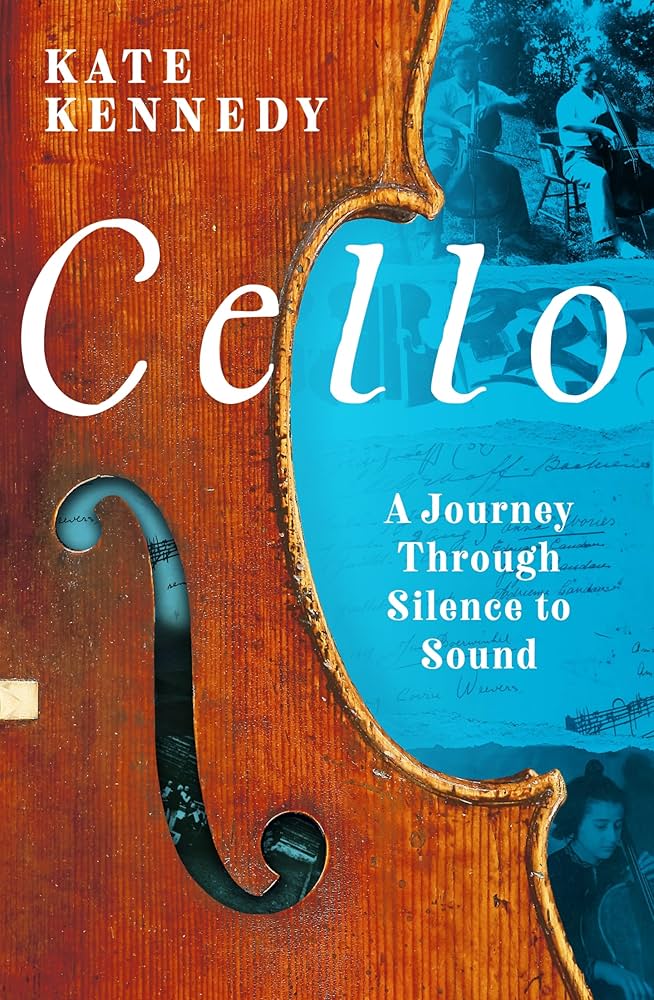 A cello has no language, yet it possesses a vocabulary wide enough to tell, bear witness, and make connections across time and continents—a feat brought to life in this brilliant new book.
In this luminous narrative, Kate Kennedy, a writer and cellist herself, weaves together the story of four cellists who suffered various forms of persecution, injury, and misfortune. The stories are those of the forgotten Jewish cellist Pál Hermann, who is likely to have been murdered by the Nazis in Lithuania during the Holocaust; Lise Cristiani, another forgotten performer, who is considered to be the first female professional cello soloist and who embarked on an epic concert tour of Siberia in the 1850s taking with her a Stradivarius cello that can be seen to this day in a museum in Cremona in northern Italy; Anita Lasker-Wallfisch, who played in the orchestra at Auschwitz and survived spells in both that camp and in Bergen-Belsen; and Amedeo Baldovino of the Trieste piano trio, whose ‘Mara’ Stradivarius was lost in a shipwreck in the River Plate between Buenos Aires and Uruguay but later recovered from the water and repaired.
Kate Kennedy is one of the foremost critics of twentieth-century music of her generation and is frequently heard on Radio 3. She is an Associate of the English Faculty at Oxford, where she lectures on twentieth-century literature and biography. She is the author of Dweller in Shadows: A Life of Ivor Gurney. She is a fellow of the Royal Historical Society, a Supernumerary Fellow of Wolfson College, Oxford, co-director of the Oxford Centre for Life-Writing, and director of the Centre for the Study of Women Composers.
New Fiction | The Hounding
From Macmillan:
Xenobe Purvis, The Hounding: A Novel (New York: Henry Holt and Co., 2025), 240 pages, ISBN: 978-1250366382, $27
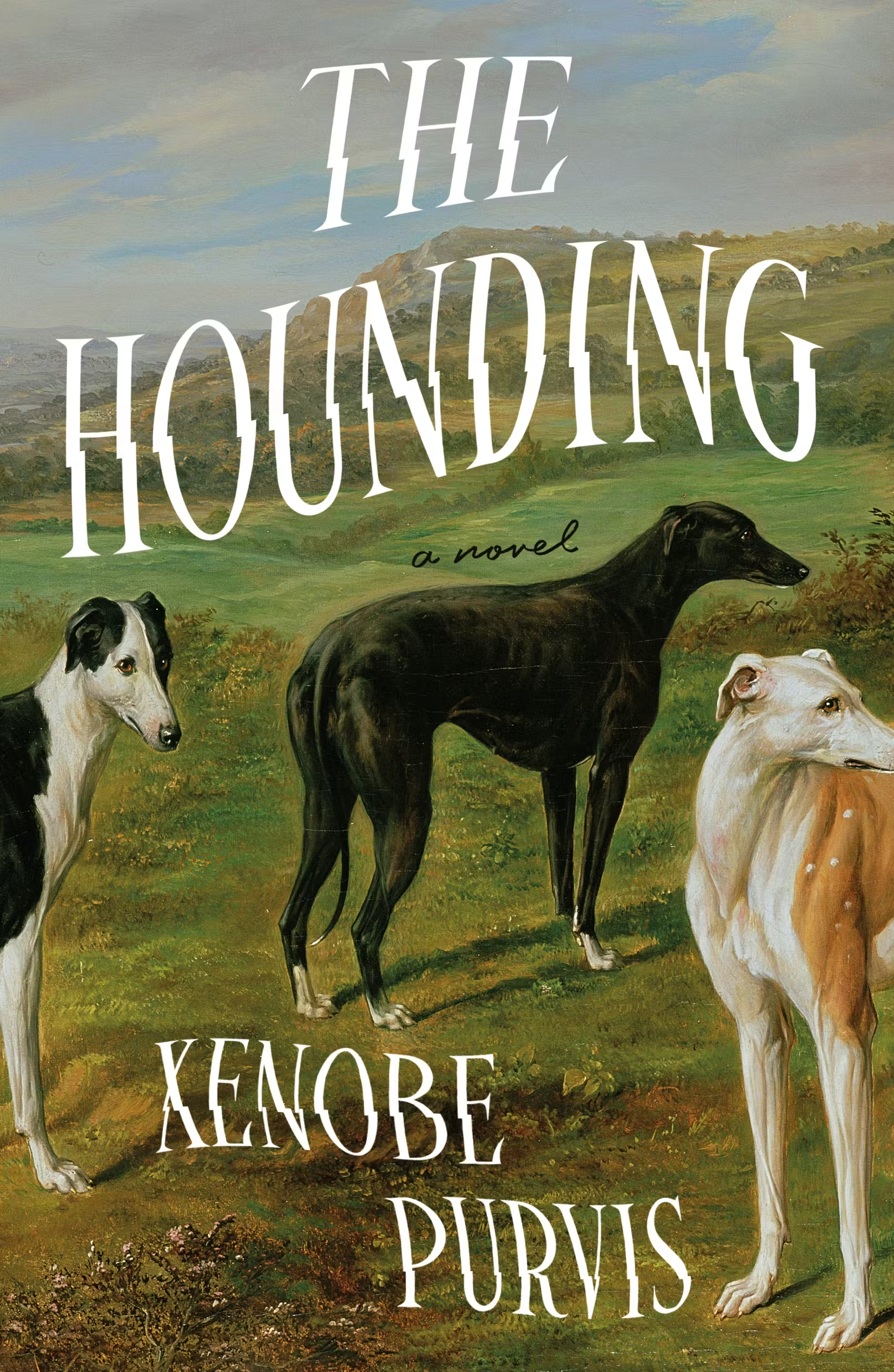 The Crucible meets The Virgin Suicides in this haunting debut about five sisters in a small village in eighteenth-century England whose neighbors are convinced they’re turning into dogs.
Even before the rumors about the Mansfield girls begin, Little Nettlebed is a village steeped in the uncanny, from strange creatures that wash up on the riverbank to portentous ravens gathering on the roofs of people about to die. But when the villagers start to hear barking, and one claims to see the Mansfield sisters transform before his very eyes, the allegations spark fascination and fear like nothing has before.
The truth is that though the inhabitants of Little Nettlebed have never much liked the Mansfield girls—a little odd, think some; a little high on themselves, perhaps—they’ve always had plenty to say about them. As the rotating perspectives of five villagers quickly make clear, now is no exception. Even if local belief in witchcraft is waning, an aversion to difference is as widespread as ever, and these conflicting narratives all point to the same ultimate conclusion: Something isn’t right in Little Nettlebed, and the sisters will be the ones to pay for it. A richly atmospheric parable of the pleasures and perils of female defiance, The Hounding considers whether in any age it might be safer to be a dog than an unusual young girl.
Xenobe Purvis was born in Tokyo in 1990. She studied English Literature at the University of Oxford, has an MA in creative writing from Royal Holloway, and was part of the London Library’s Emerging Writers Programme. She is a writer and literary researcher, with essays published in the Times Literary Supplement, The London Magazine, and elsewhere.
New Fiction | The Art of a Lie
From Simon & Schuster:
Laura Shepherd-Robinson, The Art of a Lie: A Novel (New York: Atria Books, 2025), 304 pages, ISBN: 978-1668083093, $28.
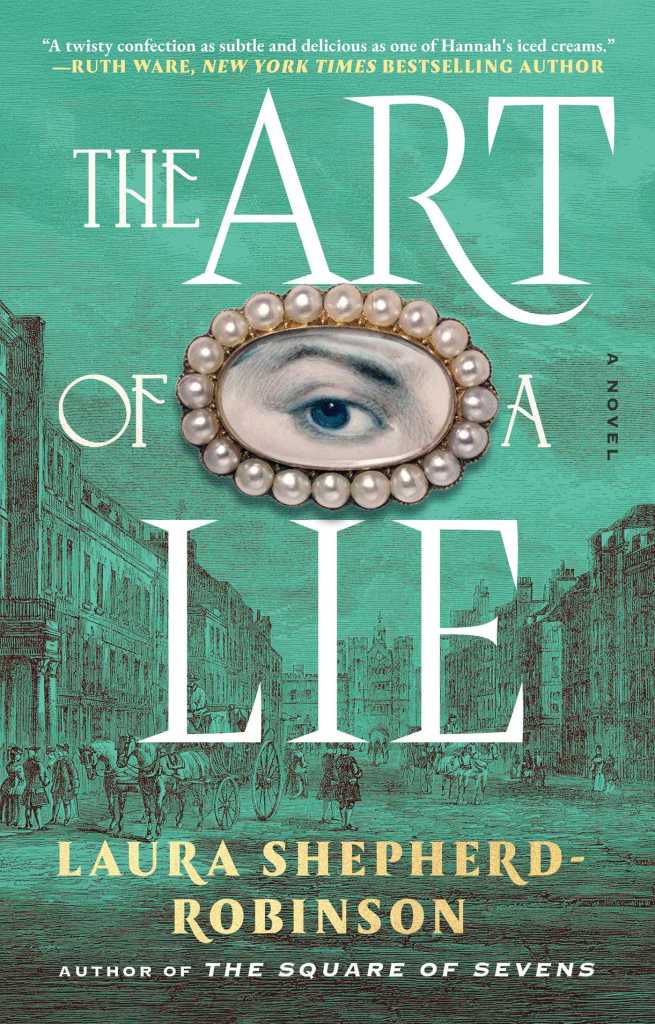 In 18th-century England, a widowed confectioner is drawn into a web of love, betrayal, and intrigue and a battle of wits in this masterful historical novel from the author of the “delicious puzzle-box of a novel” (The New York Times) and USA Today bestseller The Square of Sevens.
Following the murder of her husband in what looks like a violent street robbery, Hannah Cole is struggling to keep her head above water. Her confectionary shop on Piccadilly is barely turning a profit, her suppliers conspiring to put her out of business because they don’t like women in trade. Henry Fielding, the famous author-turned-magistrate, is threatening to confiscate the money in her husband’s bank account because he believes it might have been illicitly acquired. And even those who claim to be Hannah’s friends have darker intent. Only William Devereux seems different. A friend of her late husband, Devereux helps Hannah unravel some of the mysteries surrounding his death. He also tells her about an Italian delicacy called iced cream, an innovation she is convinced will transform the fortunes of her shop. But their friendship opens Hannah to speculation and gossip and draws Henry Fielding’s attention her way, locking her into a battle of wits more devastating than anything she can imagine.
Laura Shepherd-Robinson was born in Bristol in 1976. She has a BSc in politics from the University of Bristol, an MSc in political theory from the London School of Economics, and an MA in creative writing from City St. George’s, University of London. She is the author of three other novels, Blood & Sugar, Daughters of Night, and The Square of Sevens. She lives in London with her husband, Adrian.
New Fiction | Saltblood
The book first appeared from Bloomsbury in 2024 with a paperback edition released earlier this year:
Francesca de Tores, Saltblood (London: Bloomsbury, 2024), 368 pages, ISBN: 978-1526661333, £17.
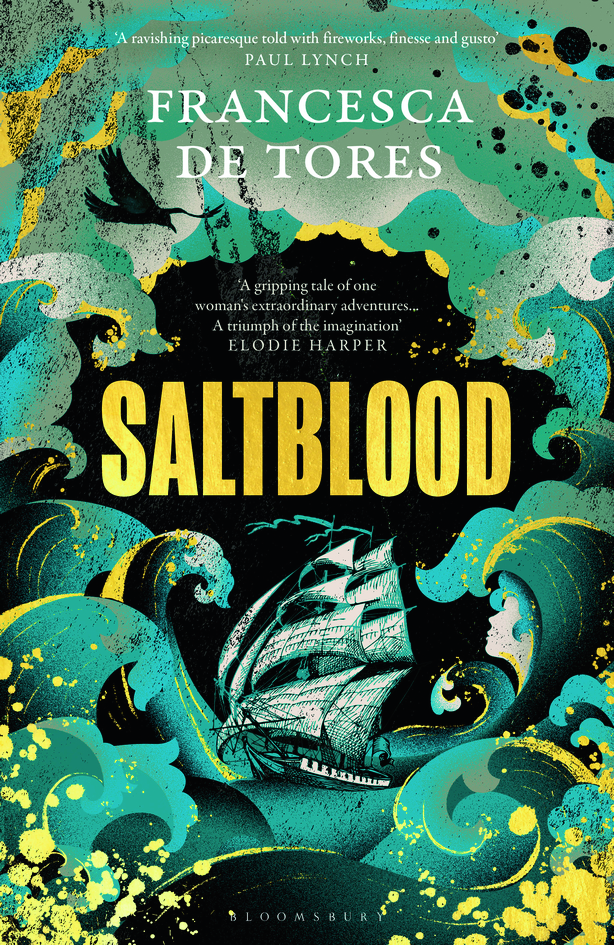 An epic historical fiction debut inspired by real life female pirates.
In a rented room outside Plymouth in 1685, a daughter is born as her half-brother is dying. Her mother makes a decision: Mary will become Mark, and Ma will continue to collect his inheritance money. Mary’s dual existence as Mark will lead to a role as a footman in a grand house, serving a French mistress; to the navy, learning who to trust and how to navigate by the stars; and to the army and the battlegrounds of Flanders, finding love among the bloodshed and the mud. But none of this will stop Mary yearning for the sea. Drawn back to the water, Mary must reinvent herself yet again, for a woman aboard a ship is a dangerous thing. This time Mary will become something more dangerous than a woman. She will become a pirate.
Breathing life into the Golden Age of Piracy, Saltblood is a wild adventure, a treasure trove, weaving an intoxicating tale of gender and survival, passion and loss, journeys and transformation, through the story of Mary Read, one of history’s most remarkable figures.
Francesca de Tores is a novelist, poet, and academic. She is the author of several novels, published in over 20 languages, including Saltblood, which won the 2024 Wilbur Smith Adventure Writing Prize. In addition to a collection of poems, her poetry is published widely in journals and anthologies. She grew up in Lutruwita/Tasmania and, after fifteen years in England, is now living in Naarm/Melbourne.
Exhibition | Anton Raphael Mengs (1728–1779)
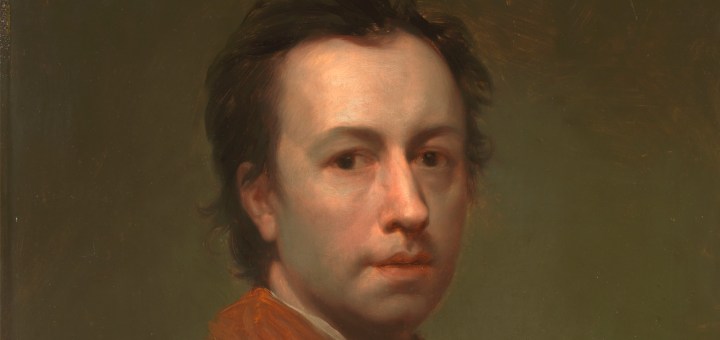
Anton Raphael Mengs, Self-Portrait, detail, 1761, oil on panel, 63 × 50 cm
(Madrid, Museo Nacional del Prado)
◊ ◊ ◊ ◊ ◊
From the press release for the exhibition:
Anton Raphael Mengs (1728–1779)
Museo Nacional del Prado, Madrid, 25 November 2025 — 1 March 2026
Curated by Andrés Úbeda and Javier Jordán de Urríes
The Museo del Prado and Fundación BBVA present an ambitious exhibition devoted to Anton Raphael Mengs, a key figure in the birth of Neoclassicism and one of the most influential artists of the 18th century. Anton Raphael Mengs (1728–1779) offers a detailed analysis of the painter’s work, thought, and legacy, in dialogue with the great masters of the past. It brings together a total of 159 works—including 64 paintings, 14 examples of the decorative arts, and 81 drawings, prints and studies on paper—allowing visitors to explore both the artist’s role as court painter and muralist as well as his intellectual and theoretical dimension. The works have been loaned from twenty-five international and nine Spanish institutions and ten private collections, reflecting the European reach of Mengs’s influence and the richness of his legacy.
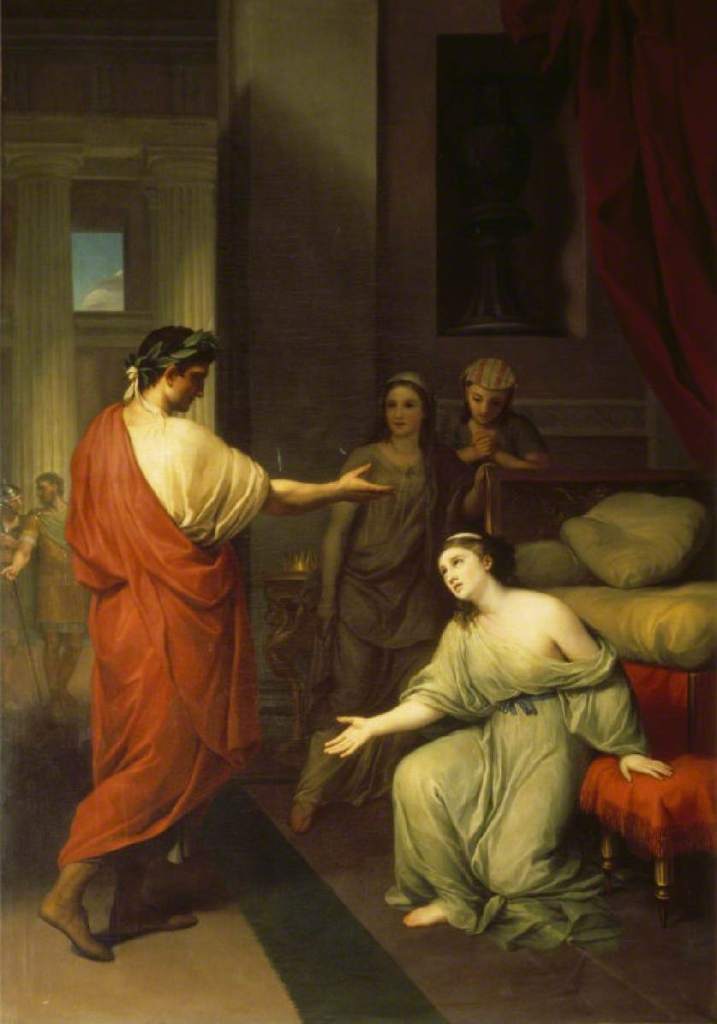
Anton Raphael Mengs, Octavian and Cleopatra, 1760, oil on canvas, 300 × 212 cm (National Trust Collections, Stourhead, The Hoare Collection).
The exhibition traces the artist’s journey from his training in Dresden and Rome to his rise to prominence as court painter to Charles III. It highlights his connections with figures such as Raphael, Correggio, and Winckelmann, as well as his role in redefining artistic taste in Europe. Exceptional loans that enrich the exhibition’s argument include The Lamentation over the Dead Christ from the Galería de las Colecciones Reales, Madrid; Jupiter and Ganymede from the Palazzo Barberini, Rome; and Octavian and Cleopatra from the National Trust Collections, United Kingdom.
The show is structured into ten thematic sections, combining a biographical survey of this cosmopolitan artist with areas devoted to specific aspects of his work and thought. Visitors will learn more about Mengs’s early training in Dresden and Rome under the strict discipline of his father, the court painter Ismail Mengs, and discover how the influence of Raphael and Correggio profoundly influenced his style and aspirations.
A section on “The Constant Challenge to Raphael” analyses Mengs’s conscious emulation of that artist, evident in works such as The Lamentation over the Dead Christ, displayed in a dialogue with Raphael’s Lo Spasimo di Sicilia. The sections on Rome, entitled “Rome, Caput Mundi” and “Rome: Fascination with the Ancient World,” show the impact of the Eternal City on Mengs’s work, both as a spiritual capital and as a repository of classical civilisation, with portraits of sitters such as Pope Clement XIII and Cardinal Zelada, as well as copies of antique sculptures that inspired the artist’s ideal of beauty.
 The exhibition also addresses Mengs’s complex relationship with the archaeologist Johann Joachim Winckelmann. “The End of Mengs’s Relationship with Winckelmann” tells the story of a friendship betrayed by the falsification of the fresco Jupiter and Ganymede. The section “Mengs, Painter-Philosopher” explores the artist’s theoretical activities, which made him an intellectual reference for Enlightenment art, and analyses the critical reception of his work after his death.
The patronage of Charles III is of central importance. The section “Painter to His Catholic Majesty and the Madrid Court” features portraits of the royal family and figures from Enlightenment Spain, while “Mengs, Painter of Frescoes” highlights the artist’s abilities at decorating large surfaces, such as the frescoes in the Royal Palace in Madrid. The section “Mengs as an Exponent of the New Enlightenment Devotion” focuses on his contribution to religious painting, influenced by Raphael, Correggio, Guido Reni, and Velázquez. Finally, “Mengs’s Legacy” looks at the painter’s influence on subsequent generations of artists, including Antonio Canova and Francisco de Goya.
Organised by the Museo Nacional del Prado with the exclusive sponsorship of Fundación BBVA, Anton Raphael Mengs (1728–1779) is curated by Andrés Úbeda de los Cobos, Head of the 18th-century Painting Collection and Goya at the Museo del Prado, and Javier Jordán de Urríes y de la Colina, Curator of 18th-century painting at Patrimonio Nacional.
Andrés Úbeda and Javier Jordán de Urríes, eds., Antonio Raphael Mengs, 1728–1779 (Madrid: Prado, 2025), 488 pages, ISBN: 978-8484806455, €38. Spanish edition.
New Book | BVRB’s Commodes
From Giles:
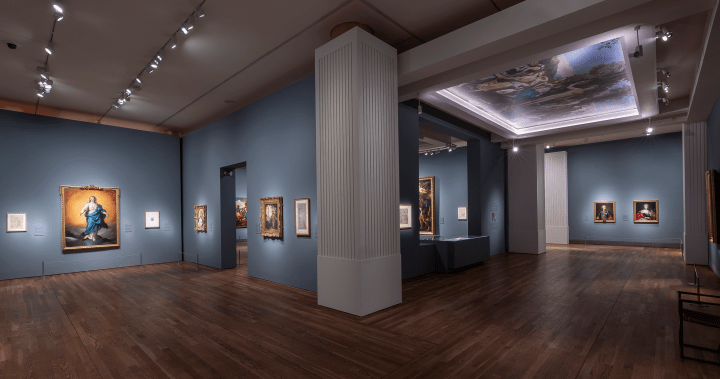
Marie-Laure Buku Pongo and William Christie, BVRB’s Commodes (London: D. Giles, 2025), 72 pages, ISBN: 978-1917273121, $30. Frick Diptych 16.
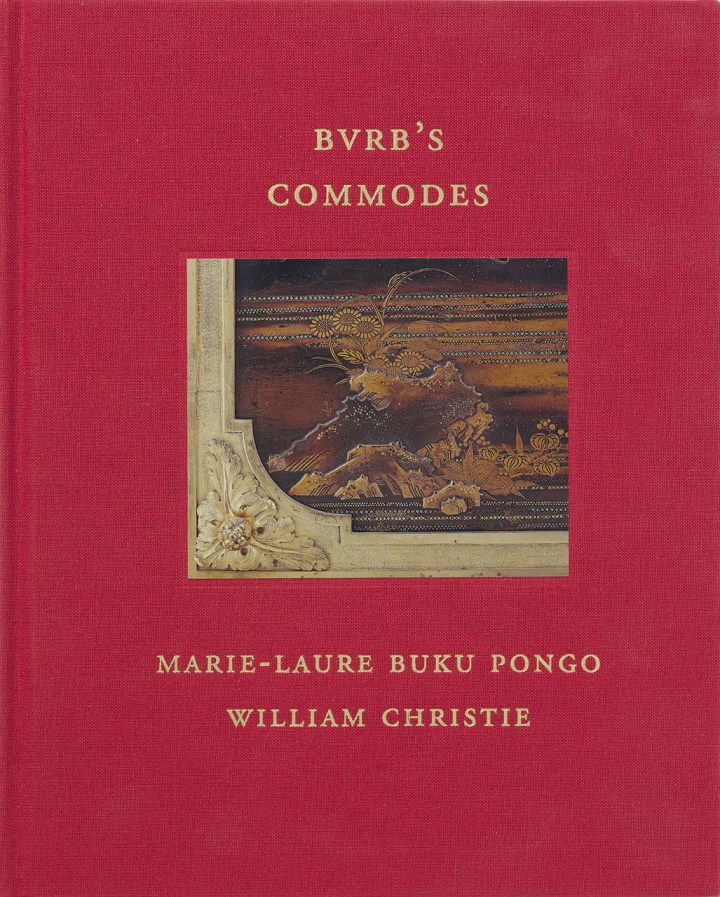 This new volume in the Frick Diptych series features an essay by Frick curator Marie-Laure Buku Pongo paired with a contribution by world-renowned conductor and keyboardist William Christie.
These two cabinets, stamped BVRB, may well be the last pieces of furniture made by the celebrated Parisian cabinetmaker Bernard van Risenburgh II just before he retired in 1764 and sold his workshop to his son, Bernard van Risenburgh III, who finished them. The cabinets feature panels of black-and-gold Japanese lacquer of exceptionally high quality taken from a seventeenth-century Japanese cabinet, chest, or screen. Beginning in the 1730s, the older van Risenburgh worked almost exclusively with the influential marchands-merciers or merchants of luxury goods, who provided the cabinetmaker with the rare and costly Oriental lacquers and sometimes with the design for the furniture on which to mount them.
Marie-Laure Buku Pongo is assistant curator of Decorative Arts at The Frick Collection. Conductor and harpsichordist William Christie is a specialist in the baroque and classical repertoire; he is the founder of the ensemble Les Arts Florissants.
Exhibition | The Grand Dauphin (1661–1711)
Now on view at Versailles:
The Grand Dauphin (1661–1711): Son of a King, Father of a King, but Never a King
Château de Versailles, 14 October 2025 — 15 February 2026
Curated by Lionel Arsac and Lorène Legrand
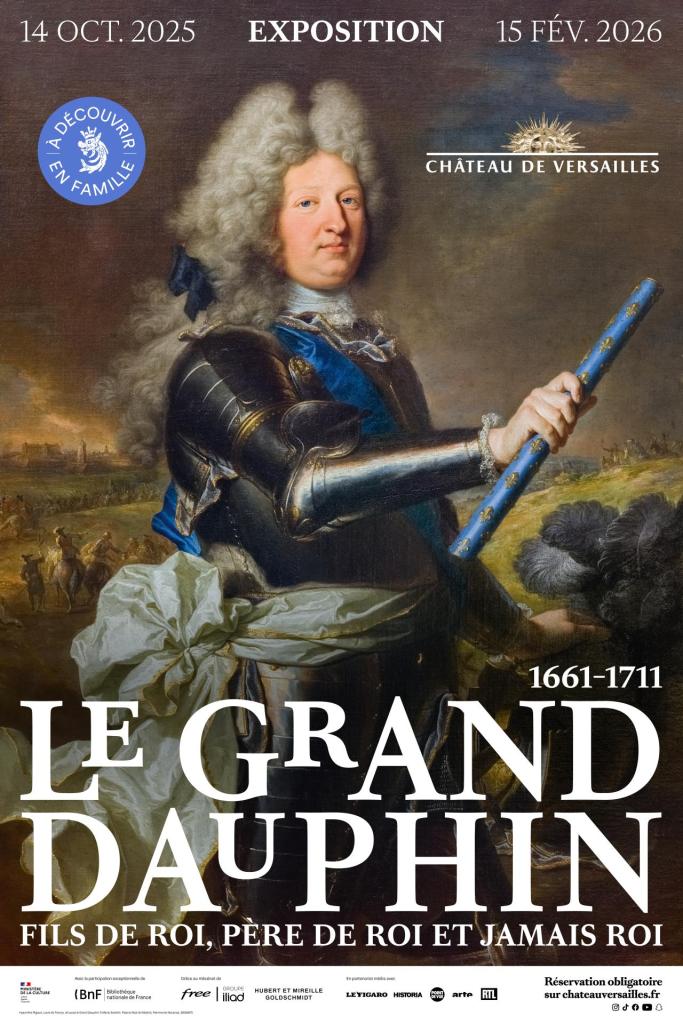 The Palace of Versailles is presenting an exhibition devoted to the Grand Dauphin, Louis de France, the eldest child of Louis XIV. It traces the life of this often overlooked prince through nearly 250 works from French and international collections. As heir to the throne, he was the focal point of Bourbon dynastic ambitions, without ever reigning, but his education, residences, and taste for the arts reflect the destiny which was his due.
Born in 1661 at the château de Fontainebleau, Louis de France was the first son of Louis XIV and Maria Theresa of Spain. During his lifetime as Dauphin, he was called ‘Monseigneur’ but was given the name ‘Grand Dauphin’ after his death in 1711, to distinguish him from his son, the Duke of Burgundy.
This heir to the crown died prematurely of smallpox in April 1711 at the château de Meudon, four years before his father. His eldest son, the Duke of Burgundy, died a year later, leaving behind two children. The eldest child, the two-year-old Duke of Anjou, became the dauphin and acceded to the throne in 1715 after the death of Louis XIV under the name Louis XV. Although the Grand Dauphin did not reign, he remains a key figure in the Bourbon dynasty: grandfather to Louis XV, great-great-grandfather to Louis XVI, Louis XVIII and Charles X, and father of Philip V, first sovereign of the Spanish branch of the Bourbons, which still reigns to this day.
The Grand Dauphin’s entire life was spent preparing to be king, and he received a rigorous education in the arts, war, and government. His life was summed up by Saint-Simon in the famous formula: “Son of a king, father of a king, but never a king.” It embodies the paradox of a prince who was trained to rule, but was never crowned.
Aside from his political duties, the Grand Dauphin also developed a keen taste for the arts and the pleasures of the court. He was an avid collector and assembled a large number of works of art, some of which will be exhibited for the first time due to exceptional loans, notably from the Prado Museum in Madrid.
The exhibition, created with the exceptional participation of the BnF Museum, turns the spotlight on what it meant to be the Dauphin of France under the Ancien Régime by retracing the major stages of the life of the Grand Dauphin. It is presented in three sections mirroring Saint Simon’s formula, and explores his education as a prince, his life at court, and his involvement in affairs of state.
Lionel Arsac and Lorène Legrand, eds., Le Grand Dauphin: Fils de Roi, Père de Roi et Jamais Roi (Dijon: Éditions Faton, 2025), 472 pages, ISBN: 978-2878444087, €54.
2025 Berger Prize Winner | Architecture of Knowledge
From the press release (14 November) from The Walpole Society:
Eleonora Pistis, Architecture of Knowledge: Hawksmoor and Oxford (Turnhout: Brepols, 2024), 320 pages, ISBN: 978-1905375974, €150.
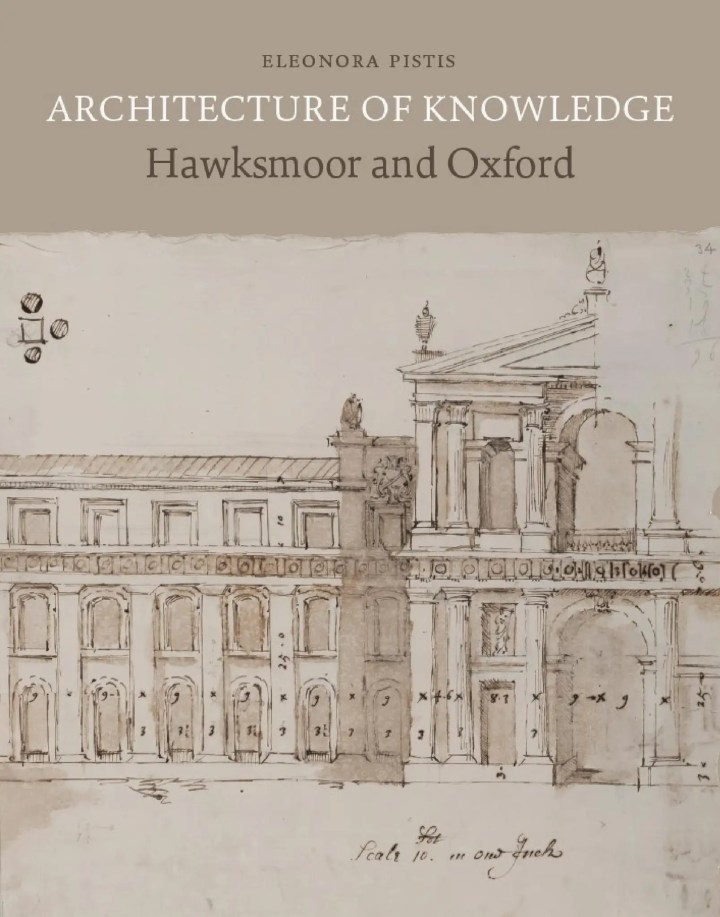 We are delighted to announce that the winner of the 2025 Berger Prize is Eleonora Pistis, for her book Architecture of Knowledge: Hawksmoor and Oxford. Dr Pistis will be awarded £5,000 through the generosity of the Berger Collection Educational Trust. and each of the shortlisted authors will be awarded £500. The winner was announced by Tim Knox, Director of the Royal Collection, at a reception at the Warburg Institute on 12 November.
Jonny Yarker, the chairman of the panel of assessors, praised the work of the judges in winnowing down the extensive list of entries to a shortlist of only six titles. He also paid tribute to Dr Julia Alexander (1967–2025), a longstanding and much valued Berger Prize assessor, in whose memory this year’s prize was awarded.
The shortlist featured The Radical Print by Esther Chadwick, “hotly anticipated, with its rich research and insights,” which the judges envisaged would “set a new agenda for writing about the eighteenth-century print.” Visual Arts and the Auld Alliance: Scotland, France and National Identity, c. 1420–1550 by Bryony Coombs was filled with “scrupulous archival work and a staggering range of material” making it “a joy from beginning to end.” Jointly edited by Cristina S. Martinez and Cynthia E. Roman, Female Printmakers, Printsellers and Print Publishers in the Eighteenth Century: The Imprint of Women c.1700–1830 included “scintillating material” of the highest calibre throughout, making it “a launching point for whole new areas of study.” Nicholas Olsberg’s “brilliant portrait of Victorian Britain” in The Master Builder: William Butterfield and his Times was praised for its beautiful presentation, exhaustive illustration, and expert writing, making it “the last word on Butterfield.” Published posthumously, Gavin Stamp’s Interwar: British Architecture 1919–39, provided a “perfect guide to the period and its buildings,” with the author’s voice, and his lifetime of learning, evident on each page he “re-defines British architecture of the interwar period.”
Eleonora Pistis’ prize-winning book, Architecture of Knowledge: Hawksmoor and Oxford, was described as representing a significant contribution to architectural history, as well as a careful reconstruction of hierarchies of knowledge during Hawksmoor’s period. Informed by a ‘dizzying range of archival and architectural sources’ the judges believed that this book will become a standard text for intellectual as well as architectural historians.
Dr Pistis is Associate Professor of of Art History and Archaeology at Columbia University. She was trained as both an architect and architectural historian at the University IUAV of Venice, Italy, where she earned her Ph.D. in the History of Architecture and Urban Planning. Before coming to Columbia she was, from 2011 to 2014, the Scott Opler Research Fellow in Architectural History at Worcester College, Oxford, Research Fellow at the Italian Academy for Advanced Studies in America at Columbia University, and visiting Assistant Professor in Art History at Grinnell College, Iowa
If you wish to learn more about the winning book, or indeed any of the titles above, each of the shortlisted authors has been interviewed by Dr Christina Faraday for our podcast British Art Matters. All of these episodes are now live, and can be listened to on our website, or on Spotify and Apple Podcasts. We would like to congratulate Dr Eleonora Pistis, the prize-winning author, and all involved in bringing her book to fruition!










 Enfilade
leave a comment