Exhibition | The Count of Artois, Prince and Patron
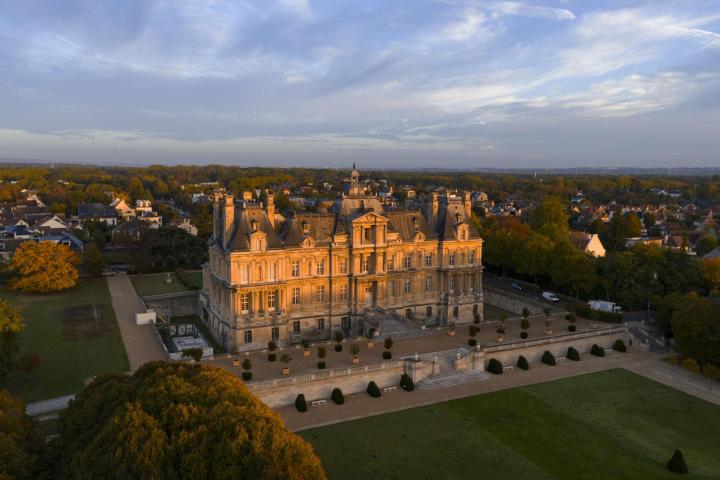
Château de Maisons, in Maisons-Laffitte, a northwest outer suburb of Paris, about 12 miles from the city center
(Photo: © EPV / Thomas Garnier)
◊ ◊ ◊ ◊ ◊
From the Château de Versailles:
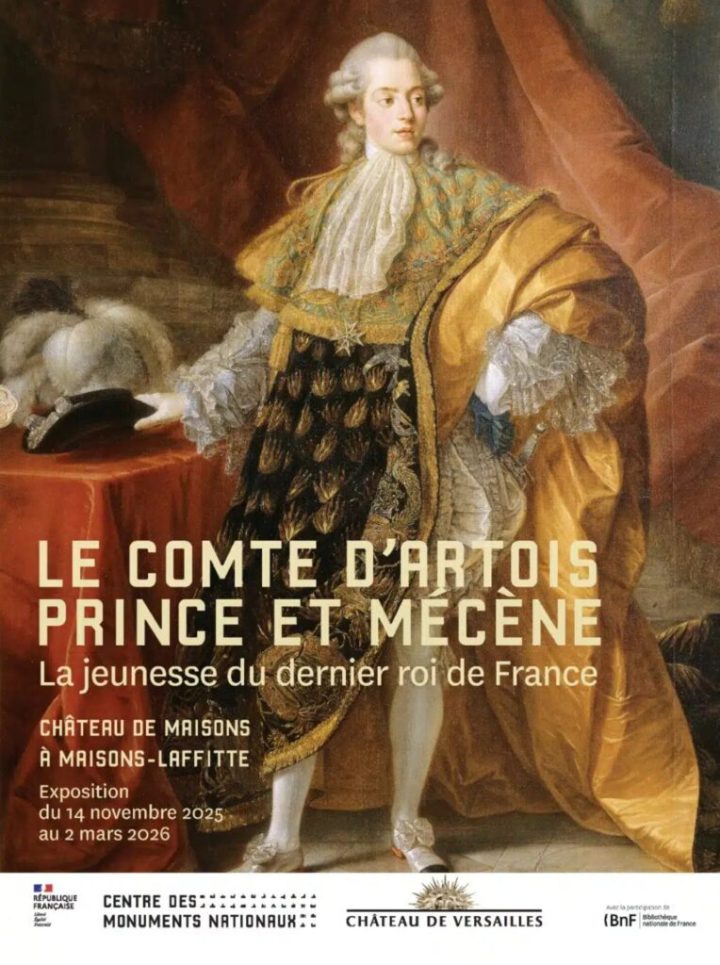
The Count of Artois, Prince and Patron: The Youth of the Last King of France
Château de Maisons, Maisons-Laffitte, 14 November 2025 — 2 March 2026
The result of a partnership between the Centre des Monuments Nationaux and the Palace of Versailles, this exhibition traces the life of the Count of Artois (1757–1836), brother of Louis XVI and the future Charles X, through his residences, his artistic projects, and his passions. From the splendor of the Château de Maisons to the count’s exile in 1789, it reveals the journey of a refined prince at the heart of the 18th century.
The exhibition begins with a presentation of the Château de Maisons in the 18th century and then traces the life of the Prince of Artois from his birth to his exile. The prince’s personality, his life, his patronage, and his taste are explored through a great variety of objects: graphic arts, paintings, objets d’art, sculptures, furniture, curiosities, and books. The exhibition also highlights the prince’s interest in architecture, as he was the last owner of the Château de Maisons under the Ancien Régime. Sourced primarily from the collections of the Palace of Versailles, the exhibition benefits from additional prestigious loans from the National Archives, the National Library of France, the Louvre Museum, the Mobilier National, the Château de Fontainebleau, the Carnavalet Museum, the Musée de l’Armée – Invalides, the municipal library of Versailles, and the Fine Arts Museums of Amiens and Reims, as well as from private collections.
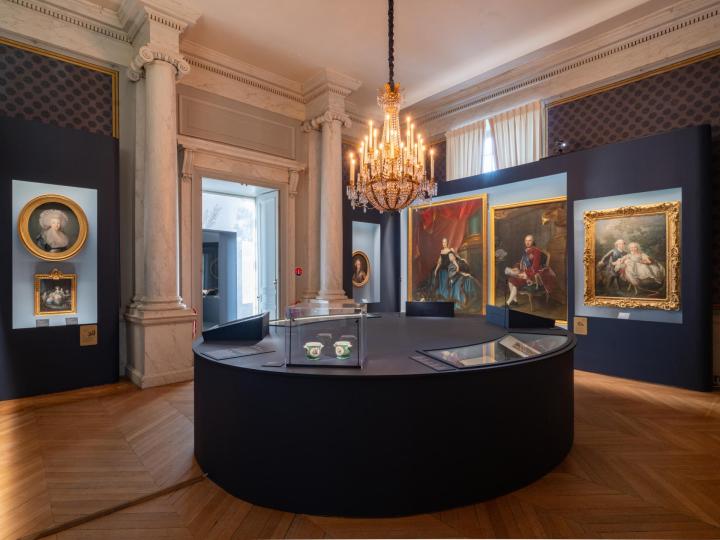
The exhibition as installed at the Château de Maisons
(Photo: © EPV / Thomas Garnier)
◊ ◊ ◊ ◊ ◊
The Count of Artois, Future Charles X
Reputed for his frivolous spirit and taste for luxury, the Count of Artois was both an attractive and controversial figure, eccentric yet conservative. Charles-Philippe of France, known under the title Count of Artois, was born in Versailles on 9 October 1757. He was the grandson of Louis XV and the brother of Louis XVI and the future Louis XVIII. He became King of France upon the death of the latter in 1824, under the name Charles X, and soon emerged as the representative of the most uncompromising Catholic faction. He was consecrated at Reims the following year. The July Ordinances of 1830, which restricted freedom of the press and dissolved the Chamber, triggered an uprising that became known as the Three Glorious Days. Faced with the revolt, Charles X abdicated and left France. His exile led him first to Scotland, then to Prague, and finally to Istria (a peninsula shared by Slovenia, Croatia, and Italy), where he died on 6 November 1836.
A Taste for Innovation
 From an early age, the Count of Artois distinguished himself through his marked interest in splendor and refinement, coupled with an unrestrained passion for the modern currents of art and fashion. He was very close to Marie-Antoinette at the beginning of her reign, and they shared this common enthusiasm. However, unlike the queen, constrained by the demands of court etiquette, the Count of Artois enjoyed far greater freedom to adopt and promote the latest trends.
The château de Maisons, a masterpiece by François Mansart, was built from 1633 onward for René de Longueil, a magistrate of the Parliament of Paris. Designed as a pleasure residence, it became, as early as the 17th century, a place admired by the court. King Louis XIV himself visited it several times. In the following century, the estate entered a new era of splendor when, in 1777, the Count of Artois acquired it. He commissioned the architect François-Joseph Bélanger to transform the château with ambitious embellishment projects, refined interior decoration, and modern gardens. The count intended to make it both a setting for entertainment and a symbol of aristocratic refinement. But the upheavals of 1789 brought the work to a halt, and the prince’s property was confiscated.
After the Revolution, the château passed through various hands, from Marshal Lannes under the Empire to the banker Jacques Laffitte, who subdivided the park. The château was saved from ruin at the beginning of the 20th century thanks to its listing as a historic monument and its acquisition by the State. Today, restored and open to the public, the Château de Maisons remains a jewel of the Grand Siècle and still bears the mark of the Count of Artois’s lavish ambitions, whose tenure constitutes one of the most brilliant episodes in its history.
A Dialogue between Collections
The partnership established in 2013 between the Centre des Monuments Nationaux and the Palace of Versailles creates a dialogue between collections that are too often overlooked and major landmarks of France’s national heritage. Temporary exhibitions allow both institutions to pool their resources in order to offer as many people as possible the opportunity to discover, or rediscover, chapters of French history within the prestigious setting of national monuments. The CMN and the Palace of Versailles have concluded a deposit agreement that will allow the return and presentation, in situ, of works that were once at Maisons during the time of the Count of Artois, seized during the Revolution, and later kept at Versailles.
Curators
• Laurent Salomé, director of the National Museum of the Palaces of Versailles and Trianon
• Vincent Bastien, scientific collaborator at the Palace of Versailles
• Benoît Delcourte, chief curator at the Palace of Versailles
• Raphaël Masson, chief curator at the Palace of Versailles
• Clotilde Roy, responsible for enriching the collections of the Centre des Monuments Nationaux
• Gabriel Wick, doctor of history
Vincent Bastien, Benoît Delcourte, and Clotilde Roy, eds., Le Comte d’Artois, Prince et Mécène: La Jeunesse du Dernier Roi de France (Paris: Éditions du patrimoine, 2025), 96 pages, ISBN: 978-2757710821, €16.
Exhibition | Painters, Ports, and Profits
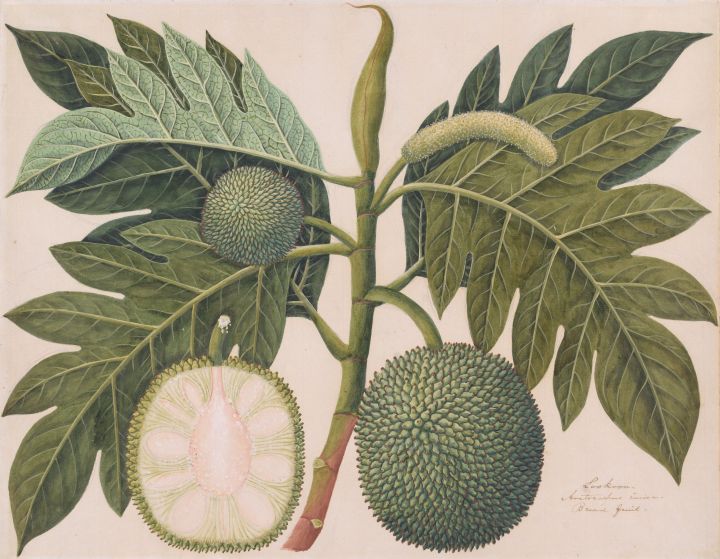
Unknown artist (Company style), Breadnut (Artocarpus camansi), ca. 1825, watercolor, gouache, and graphite on medium, slightly textured, cream laid paper, sheet: 15 × 19 1/4 inches (New Haven: Yale Center for British Art, Paul Mellon Fund, B2022.5).
◊ ◊ ◊ ◊ ◊
From the press release for the exhibition, which opens today:
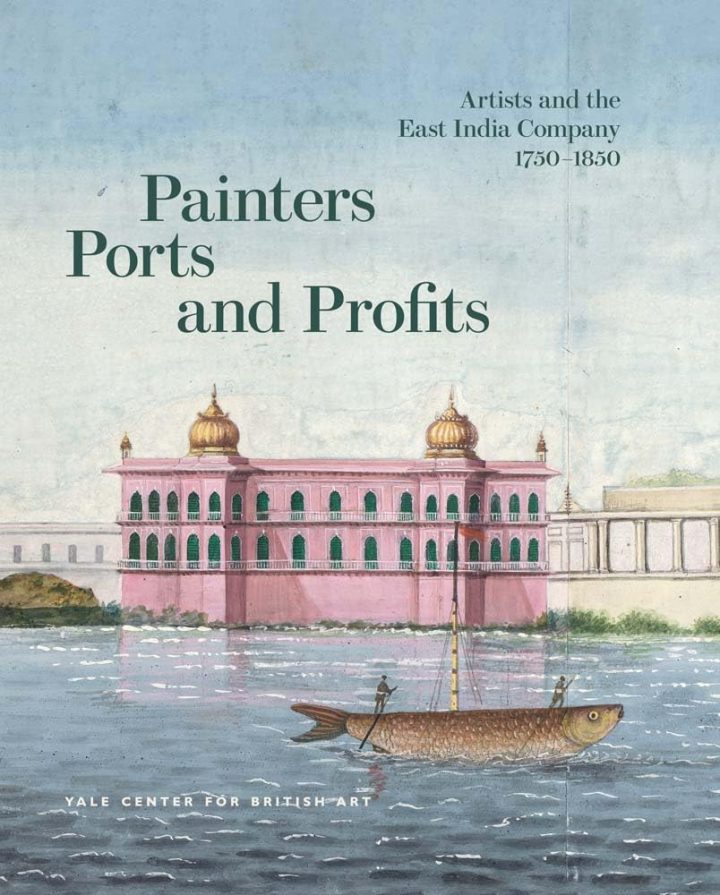
Painters, Ports, and Profits: Artists and the East India Company, 1750–1850
Yale Center for British Art, New Haven, 8 January — 21 June 2026
Curated by Laurel Peterson and Holly Shaffer
The Yale Center for British Art presents Painters, Ports, and Profits: Artists and the East India Company, 1750–1850 from January 8 through June 21, 2026. Spanning a century of artistic production, the exhibition reveals the material and technical innovations of the Indian, Chinese, and British artists whose work and lives were shaped by the British East India Company’s global reach. Featuring more than one hundred objects, Painters, Ports, and Profits highlights the beauty and range of the extraordinary artwork produced within the context of one of the most powerful and ruthless corporations in history.
 “This exhibition brings to light an astonishing chapter of global art history, when artistic innovation and exchange flourished under the shadow of empire,” said Martina Droth, Paul Mellon Director of the Yale Center for British Art. “It tells the story of direct encounters between artists from different continents and traditions, who responded to one another by experimenting with new materials and methods. We are thrilled to share these important, and rarely seen, works from our collection and to invite new reflection on their artistic legacy.”
Between 1750 and 1850, the Company’s growing commercial, military, and political operations linked an incredibly varied group of artists—amateurs, soldiers, and professionals—into a vast network that stretched from London to Calcutta (Kolkata) to Canton (Guangzhou). As goods, people, and ideas circulated through the Company’s networks, artists experimented with papers, pigments, and methods, adapting techniques from different traditions to develop a striking visual language that connected art to the expanding global economy.
“We are excited to take visitors on a journey to ports and trading cities across India and China where artists produced captivating and innovative works of art,” said exhibition curators Laurel O. Peterson and Holly Shaffer. “The period of the East India Company is one in which art and business intersected. There is a profound tension between the ventures of a global corporation and the works of beauty created by the artists in its orbit. With technical brilliance, these artists ingeniously fused traditions and materials together to develop new ways of making, picturing, and selling.”
Years in development, the preparations for Painters, Ports and Profits included extensive original research and careful technical study by curators and conservators at the YCBA in collaboration with conservation scientists at Yale’s Institute for the Preservation of Cultural Heritage. The resulting exhibition illuminates the museum’s deep holdings of Asian art, showcasing many exceptional works that have hardly ever or never been displayed. Highlights of the exhibition include stunning small- and large-scale portraits, such as the monumental Woman Holding a Hookah at Faizabad, India (1772) by Tilly Kettle and the intimate Portrait of a Woman (ca. 1850) by an artist from the circle of eminent painter Lam Qua. Watercolor drawings of a great Indian fruit bat by Bhawani Das (1778–82) and breadnut by an artist once known (ca. 1825), among others, record the flora and fauna of the Company’s domain with striking naturalism. A spectacular thirty-seven-foot-long scroll uses delicate watercolor to depict the city of Lucknow, India, in panoramic detail, which recent technical analysis has revealed was completed by multiple artists working in collaboration.
Painters, Ports, and Profits: Artists and the East India Company, 1750–1850 is organized by the Yale Center for British Art. The exhibition is curated by Laurel O. Peterson, Assistant Curator of Prints and Drawings at the YCBA, and Holly Shaffer, Associate Professor in the Department of the History of Art and Architecture at Brown University.
r e l a t e d p r o g r a m m i n g
First Look | Painters, Ports, and Profits: Artists and the East India Company, 1750–1850
Thursday, 15 January, 4pm, Lecture Hall and Livestream
Spring Exhibitions Openings
Thursday, 26 February, 4pm, Lecture Hall and Livestream
Curator Tours
Thursdays, 22 January, 26 March, 16 April, 21 May, and 18 June, 4pm
Docent Tours
Saturdays, 3pm
The catalogue is published by YCBA and distributed by Yale UP:
Laurel O. Peterson and Holly Shaffer, eds., Painters, Ports, and Profits: Artists and the East India Company, 1750–1850 (New Haven: Yale Center for British Art, 2026), 280 pages, ISBN: 978-0300286540, $65. With contributions by Mark Aronson, Tim Barringer, Swati Chattopadhyay, Soyeon Choi, Anita Dey, Gillian Forrester, Navina Najat Haidar, Richard R. Hark, Emma Hartman, Brooke Krancer, Margaret Masselli, Kaylani Madhura Ramachandran, Romita Ray, Yuthika Sharma, Marcie Wiggins, Winnie Wong, and Tom Young.
Featuring more than one hundred objects drawn primarily from the YCBA’s collection, including architectural drawings, watercolors, and hand-colored aquatints, the catalog critically reconsiders the vibrant creative exchanges between artists in India, China, and Britain during a period driven by ruthless commercial and colonial expansion.
Exhibition | Gainsborough: The Fashion of Portraiture
Aimee Ng, the exhibition’s curator, is the subject of a recent feature by Alexandra Starr in The New York Times (20 December 2025). From the press release (3 November 2025) for the exhibition:
Gainsborough: The Fashion of Portraiture
The Frick Collection, New York, 12 February — 11 May 2026
Curated by Aimee Ng
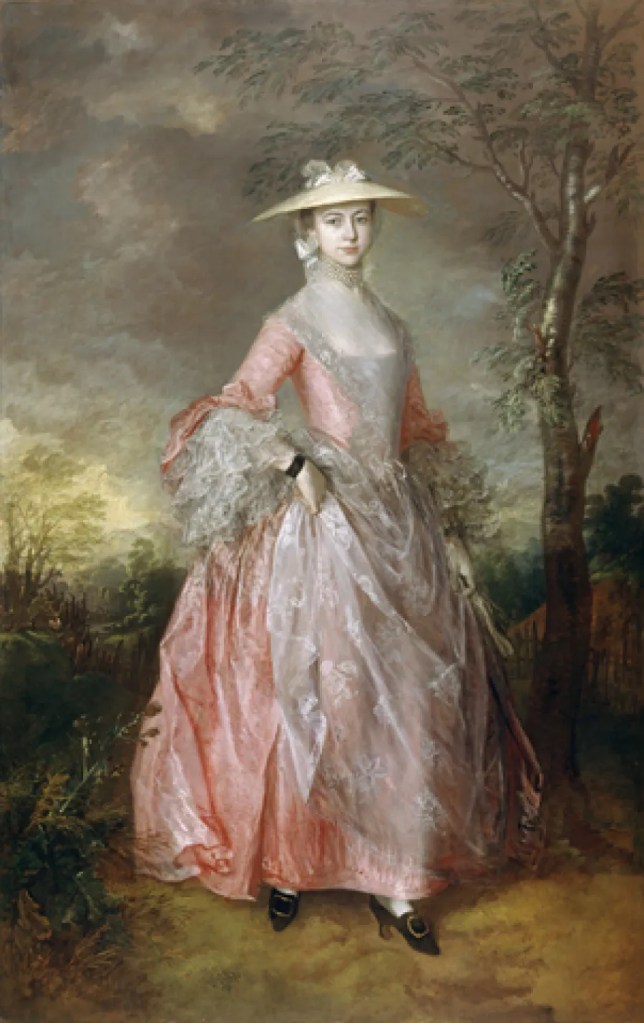
Thomas Gainsborough, Mary, Countess Howe, 1763–64, oil on canvas, 243 × 154 cm (English Heritage, Kenwood House, London).
Beginning 12 February 2026, The Frick Collection will present its first special exhibition dedicated to the English artist Thomas Gainsborough, and the first devoted to his portraiture ever held in New York. Displaying more than two dozen paintings, the show will explore the richly interwoven relationship between Gainsborough’s portraits and fashion in the eighteenth century. The works included represent some of the greatest achievements from every stage of this period-defining artist’s career, drawn from the Frick’s holdings and from collections across North America and the United Kingdom.
The trappings and trade of fashion filled the artist’s world—in magazines and tailor shops, at the opera and on promenades—and his portraits were at the heart of it all. This exhibition invites visitors to consider not only the actual clothing the painter depicted, but also the role of his canvases as both records of and players in the larger conception of fashion: encompassing everything from class, wealth, labor, and craft to formality, intimacy, and time. Recent technical investigations also shed light on Gainsborough’s artistic process, including connections to materials that fueled the fashion industry.
Gainsborough: The Fashion of Portraiture is organized by Aimee Ng, the museum’s Peter Jay Sharp Chief Curator. She states: “The spectacular and at times, to modern eyes, absurd fashions in portraits by Thomas Gainsborough and his contemporaries continue to fascinate viewers today. The appeal of these demonstrations of taste, status, and wealth persists in tension with increased recognition, over the last few decades, of the injustices that often made such extravagance possible. This exhibition necessarily deals with clothing and personal attire, while exploring how fashion was understood in Gainsborough’s time, how it touched every level of society, and how portraiture itself was as much a construction and invention as a sitter’s style.”
Aimee Ng, Gainsborough: The Fashion of Portraiture (New York: Rizzoli Electa, 2026), 200 pages, ISBN: 978-0847876235, $50. With an additional essay by Kari Rayner.
The exhibition is complemented by a richly illustrated catalogue authored by Aimee Ng, with an additional essay by Kari Rayner, Associate Conservator of Paintings at the J. Paul Getty Museum. Along with entries for each work in the show, the catalogue features essays on portraiture and self-fashioning in Gainsborough’s era, on materials and techniques that linked clothing and paintings, and on the roles of class and time in eighteenth-century style. The volume considers how and why Gainsborough and his sitters—from dukes and duchesses to the artist’s family members to the once-enslaved writer and composer Ignatius Sancho—shaped how they would be immortalized in paint. The book also touches on the longstanding appeal of Gainsborough’s art, particularly its renewed popularity a century after the painter’s death among American collectors such as the Fricks, Vanderbilts, and Huntingtons.
Major support for Gainsborough: The Fashion of Portraiture is provided by an anonymous donor in honor of Ian Wardropper. Additional funding is provided by Barbara and Bradford Evans, Kathleen Feldstein, Michael and Jane Horvitz, Dr. Arlene P. McKay, The Helen Clay Frick Foundation, James K. Kloppenburg, David and Kate Bradford, Katie von Strasser – InspiratumColligere, the Dr. Lee MacCormick Edwards Charitable Foundation, Edward Lee Cave, Mr. and Mrs. Hubert L. Goldschmidt, Jennifer Schnabl, the Malcolm Hewitt Wiener Foundation, Bradley Isham Collins and Amy Fine Collins, Siri and Bob Marshall, Bailey Foote, Alexander Mason Hankin, Brittany Beyer Harwin and Zachary Harwin, and Otto Naumann and Heidi D. Shafranek. The exhibition catalogue is funded by Dr. Tai-Heng Cheng.
Exhibition | Hercules: Hero and Anti-Hero
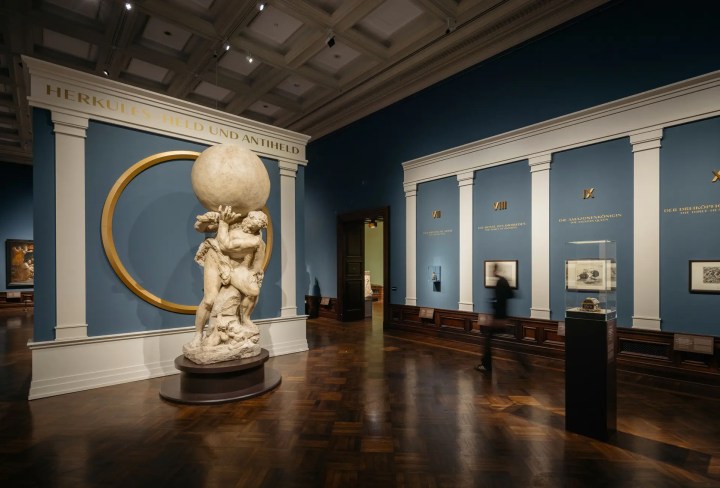
Exhibition photo with a mid-19th-century plaster cast after Balthasar Permoser’s ‘Saxon Hercules’. As noted on the SKD’s Instagram account, “The original crowned the Wall Pavilion of the Dresden Zwinger from 1718 to 1945, symbolising its patron, Augustus the Strong, with his astonishing physical strength and the Herculean efforts he undertook every day as the Saxon-Polish ruler. Where Hercules dwells with the vault of heaven, the Garden of the Hesperides cannot be far away. And so Permoser’s Hercules gazed upon the orange trees in the Zwinger courtyard, which bore the apples of the Hesperides, as it were, and promised Saxony a golden age.”
◊ ◊ ◊ ◊ ◊
From the press release for the exhibition:
Hercules: Hero and Anti-Hero
Gemäldegalerie Alte Meister, Zwinger, Dresden, 22 November 2025 — 28 June 2026
Hercules (‘Heracles’ in Greek), the best-known hero of classical antiquity, is one of the most enduring and popular mythical figures anywhere in the world. His name is universally known, and the phrase ‘a Herculean task’ is an everyday expression for anything requiring extraordinary strength and effort.
The Staatliche Kunstsammlungen Dresden (Dresden State Art Collections, SKD) is dedicating an exhibition to this demigod in the Winckelmann Forum of the Semper Gallery of the Zwinger. With Hercules: Hero and Anti-Hero, the Skulpturensammlung bis 1800 (Sculpture Collection up to 1800) and the Gemäldegalerie Alte Meister (Old Masters Picture Gallery) present a wide range of depictions of this mythological character. Featuring 135 objects, including top-quality sculptures, paintings, prints, coins, armour, and works of the goldsmith’s art, the exhibition explores the question of why Hercules has been such a fascinating figure for millennia and continues to be so today—one need only think, for example, of some of the major films of recent years.
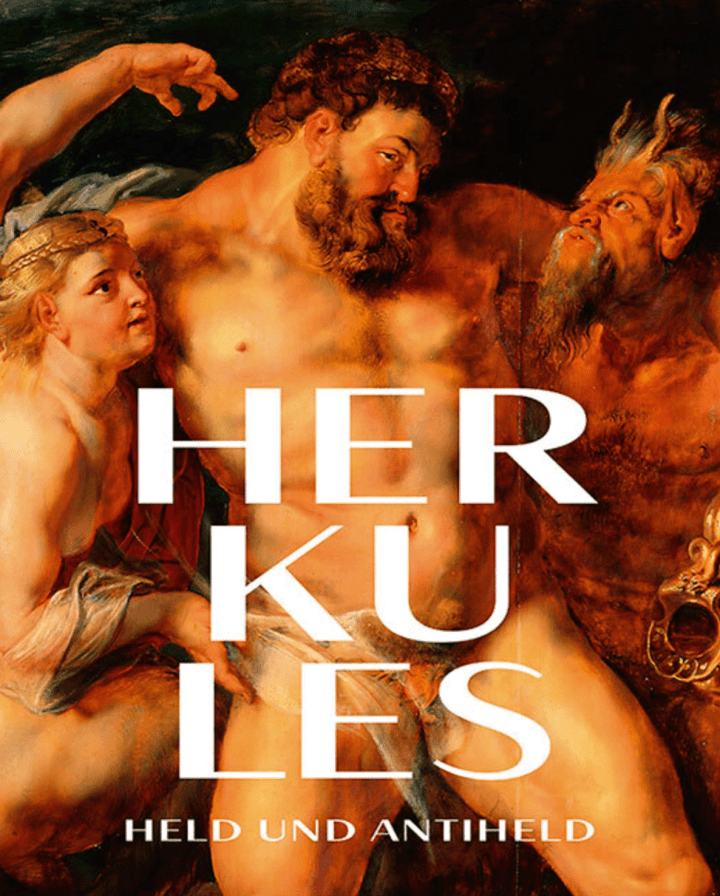 As the son of the supreme deity Zeus and the Theban queen Alcmene, Hercules was a demigod—with superhuman strength and human flaws. His popularity was revived during the Renaissance. In Rome, dozens of large-scale Hercules statues were already known in the sixteenth century, and these had a huge influence on early modern art. The exhibition showcases works of art from classical antiquity to the neoclassical period, with some glimpses into the present day. Alongside objects from the rich holdings of the Staatliche Kunstsammlungen Dresden, there are prestigious loans from such eminent institutions as the Vatican Museums in Rome, the Prado in Madrid, the Louvre in Paris, and the Ny Carlsberg Glyptotek in Copenhagen.
In a prologue and five chapters, the exhibition explores the famous ‘Labours of Hercules’, his relationships with women, his anti-heroic escapades, and his role as a model of virtue for rulers such as Alexander the Great and August the Strong. Balthasar Permoser’s colossal Saxon Hercules, created for the Rampart Pavilion of the Dresden Zwinger, bears witness to this.
Hercules was evidently not only strong and virtuous. In some situations, he behaved dishonourably, succumbed to vice, or committed cruel injustices, even against his own children. He often fought against evil for the good of humanity, but he was also a murderer, rapist, drunkard, and thief. Through significant works of art and an extensive accompanying programme, the exhibition encourages reflection on the role of heroism in history and its relevance in our society today. Particular attention is paid to the extraordinary narrative richness of the myth.
Videos telling eight of the stories about Hercules have been created specially for the exhibition. Dresden-born actor Martin Brambach—known for his role as Chief Inspector Peter Michael Schnabel in the television series Tatort—relates important and amusing episodes from the life of the hero and anti-hero. A multimedia guide is available free of charge.
Holger Jacob-Friesen, ed., Herkules: Held und Antiheld (Dresden: Sandstein Kultur, 2025), 200 pages, ISBN: 978-3954988945, €38.
Print Quarterly, December 2025
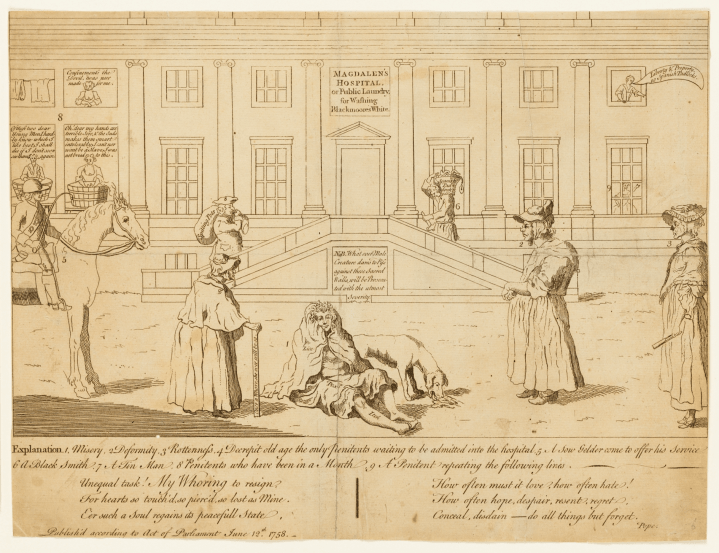
Anonymous artist, Magdalen’s Hospital, or Public Laundry for Washing Blackmoores White, 1758, etching, trimmed within the platemark, 232 × 307 mm (Oxford, Ashmolean Museum).
◊ ◊ ◊ ◊ ◊
The long eighteenth century in the latest issue of Print Quarterly:
Print Quarterly 42.4 (December 2025)
a r t i c l e s
• Xanthe Brooke, “Spaignolet’s Drawing Book: An Album with Ribera Prints at Knowsley Hall,” pp. 379–89. This article focuses on an unpublished album containing 28 prints mainly by or after Jusepe de Ribera (1591–1652). Brooke seeks to identify the sources and publishers of each impression, explores how the Earl of Derby used the album, and traces the growing taste for Ribera’s work among English collectors in the late seventeenth and the first decades of the eighteenth century.
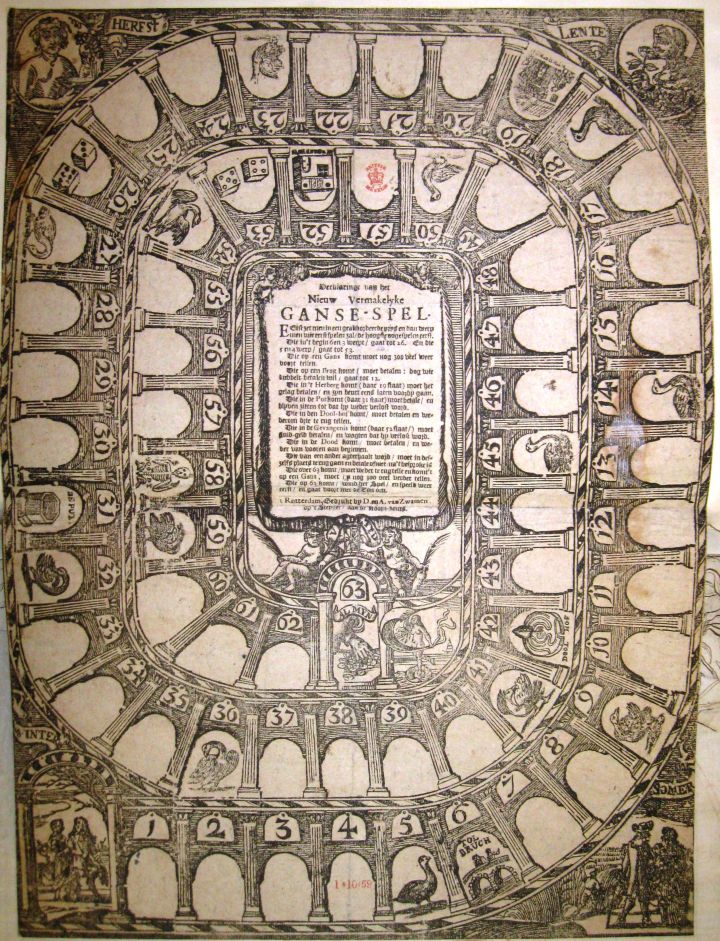
Anonymous artist, The New and Entertaining Game of the Goose, ca. 1759–87, woodcut, 470 × 360 mm (London: British Library, Creed Collection volume 8).
• Emma Boyd, “The Advent of the Magdalen Hospital: A Rare Satirical Print,” pp. 390–401. This article examines an anonymous etching in the Ashmolean Museum depicting the Magdalen Hospital, a charity for ‘penitent prostitutes’. The author discusses the print’s satirical commentary in relation to the charity’s controversial formation and the debates surrounding it. She also examines the print’s authorship within the context of other satirical prints and depictions of London street figures.
• Susan Sloman, “Gainsborough’s Cottage Belonging to Philip Thicknesse near Landguard Fort,” pp. 426–31. This short article contextualises an early etching by Thomas Gainsborough (1727–1788) from the 1750s, which the author proposes may have served as a subscription ticket for the engraving Landguard Fort, published in August 1754 by Thomas Major (1719–1799). The author also suggests that a painting by Gainsborough long assumed lost never existed.
• Felicity Myrone and Adrian Seville, “Two Unreported Games of the Goose in the Creed Collection in the British Library,” pp. 432–36. This short article describes two unknown examples of the Game of the Goose, one in printed form and the other in manuscript form. The provenance from the collection of London printseller Giles Creed (1798–1858), who specialized in ‘the history of ancient and modern inns, taverns, and coffee-houses’, is briefly traced.
n o t e s a n d r e v i e w s
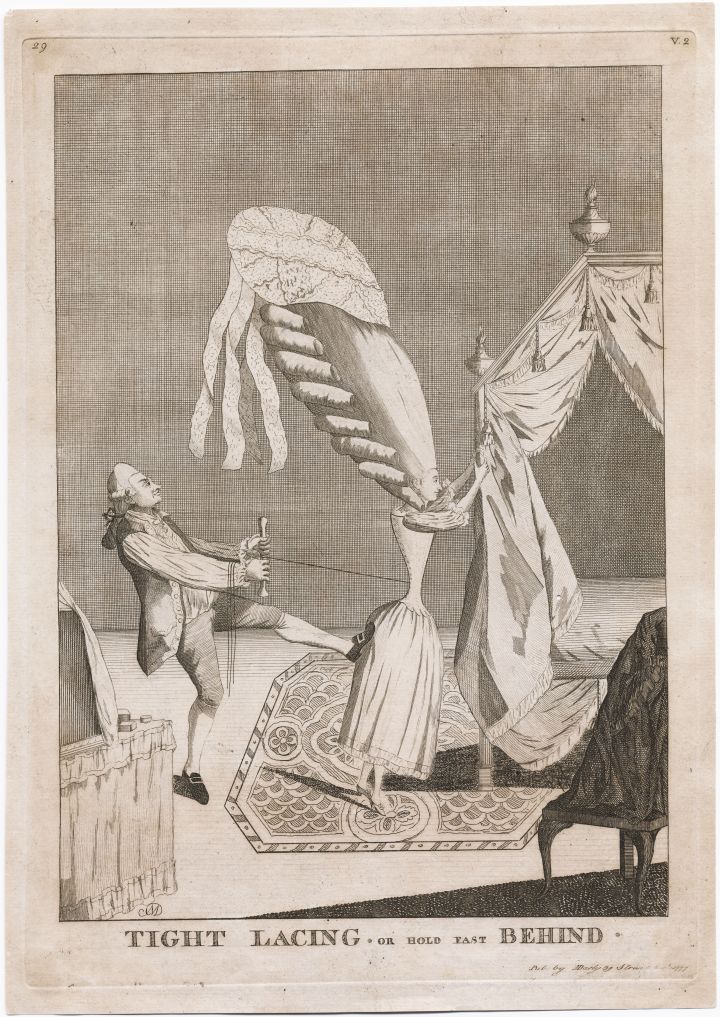
Anonymous artist, published by Matthew and Mary Darly, Tight Lacing, or, Hold Fast Behind, 1 March 1777, etching and engraving, 351 × 247 mm (Farmington, CT: Lewis Walpole Library, Yale University).
• Andaleeb Badiee Banta, Review of Cristina Martinez and Cynthia Roman, Female Printmakers, Printsellers, and Print Publishers in the Eighteenth Century: The Imprint of Women, c. 1700–1830 (Cambridge University Press, 2024), pp. 445–47.
• Jean Michel Massing, Review of Anna Lafont, L’art et la race: L’Africain (tout) contre l’œil des Lumières (Les presses du réel, 2019), pp. 447–48.
• Einav Rabinovitch-Fox, Review of Elizabeth Gernerd, The Modern Venus: Dress, Underwear, and Accessories in the Late 18th-Century Atlantic World (Bloomsbury Visual Arts, 2024), pp. 448–49.
• Mathilde Semal, Review of Rolf Reichardt, Éventails symboliques de la Révolution. Sources iconographiques et relations intermédiales (Presses universitaires de Rennes, 2024), pp. 450–52.
• Robert Felfe, Review of Matthew Zucker and Pia Östlund, Capturing Nature: 150 Years of Nature Printing (Princeton Architectural Press, 2022), pp. 452–54.
• Sarah Thompson, Review of Timothy Clark, ed., Late Hokusai: Society, Thought, Technique, Legacy (British Museum, 2023), pp. 479–83.
Exhibition | Landscapes by British Women Artists, 1760–1860
Opening soon at The Courtauld:
A View of One’s Own: Landscapes by British Women Artists, 1760–1860
The Courtauld Gallery, London, 28 January — 20 May 2026
Curated by Rachel Sloan
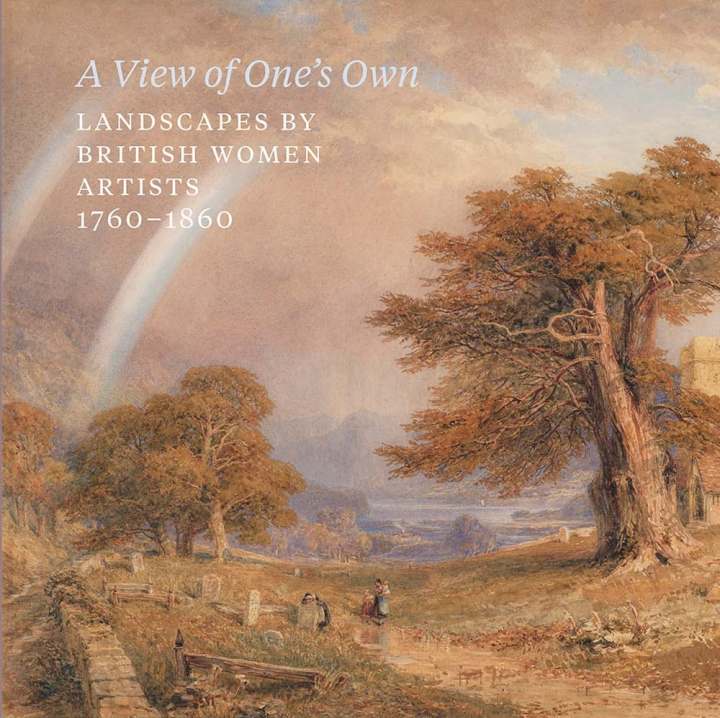 A View of One’s Own showcases landscape drawings and watercolours by British women artists working between 1760 and 1860 whose work represents a growing area of The Courtauld’s collection. These artists range from highly accomplished amateurs to those ambitious for more formal recognition. They have remained mostly unknown, and their works largely unpublished.
When the Royal Academy was founded in 1768, its members included two women; yet there would not be another female academician until Dame Laura Knight was elected in 1936. Despite this institutional exclusion, women artists in Britain continued to train, practice, and exhibit during this period, particularly in the field of landscape watercolours. This exhibition and its accompanying catalogue shed new light on these artists, working within a heavily male-dominated era in the arts. Some of the artists achieved recognition during their lifetimes while others’ work remained private. The ten artists featured include Harriet Lister and Lady Mary Lowther, who were among the first to depict the Lake District; Amelia Long, Lady Farnborough, one of the first British artists to travel to France following the Napoleonic Wars; and Elizabeth Batty, whose works appearing in the show were rediscovered only a few years ago.
Artists: Harriet Lister, Mary Lowther, Mary Mitford, Elizabeth Susan Percy, Mary Smirke, Eliza Gore; Fanny Blake, Amelia Long, Elizabeth Batty, and Richenda Gurney.
Rachel Sloan, ed., A View of One’s Own: Landscapes by British Women Artists, 1760–1860 (London: Paul Holberton Publishing, 2026), 72 pages, ISBN: 978-1913645977, £20. With contributions by Susan Owens, Rachel Sloan, and Paris Spies-Gans.
Rachel Sloan is Associate Curator for Works on Paper at The Courtauld Gallery. Paris A. Spies-Gans is a historian and art historian, with a focus on gender and culture in Britain and France during the 17th, 18th, and 19th centuries; she is currently a Junior Fellow at the Harvard Society of Fellows. Susan Owens, formerly Curator of Paintings at the V&A, is an independent scholar; she has published widely on 19th-century British art and culture and has a particular interest in drawing and landscape.
Exhibition | Art around 1800
Now on view at the Hamburger Kunsthalle:
Art around 1800: An Exhibition about Exhibitions
Kunst um 1800: Eine Ausstellung über Ausstellungen
Hamburger Kunsthalle, 5 December 2026 — 29 March 2026
Curated by Petra Lange-Berndt and Dietmar Rübel
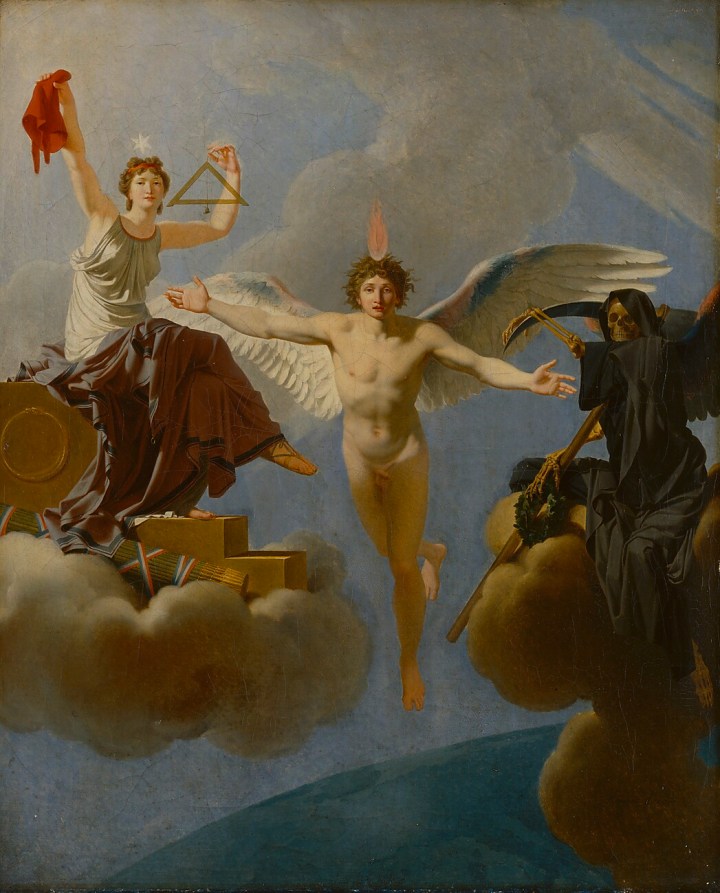
Jean-Baptiste Regnault, Liberty or Death, 1794, oil on canvas, 60 × 49 cm (Hamburger Kunsthalle; photo by Elke Walford).
Art around 1800 revisits the legendary exhibition cycle of that name on view at the Hamburger Kunsthalle some fifty years ago. Presented in nine parts from 1974 to 1981, the series examined the impact of art in the ‘Age of Revolutions’, launching seminal debates on the social relevance of art that continue to resonate today. The effect was to write a new history of European art by focusing on themes and artists that broke with the conventions of their time: Ossian, Caspar David Friedrich, Johann Heinrich Füssli, William Blake, Johan Tobias Sergel, William Turner, Philipp Otto Runge, John Flaxman, and Francisco Goya. The current exhibition will comment on the historical displays created under the aegis of then director Werner Hofmann and update their approach from a contemporary perspective. For this purpose, over 50 paintings, books, and works on paper from the Kunsthalle’s collection from around 1800 will be brought together with selected loans and works by contemporary artists.
Arranged in ten chapters, Art around 1800 examines themes such as dreams, political landscapes, and revolutionary energies from the viewpoint of the present day. Emphasis will also be placed on aspects that were missing from the shows of the 1970s, or which only came to light to some extent, yet are relevant for the period around 1800: feminism, Jewish culture, and people of colour. Like the original series of shows, the current exhibition is presented in the domed hall on the upper floor of the new museum wing inaugurated in 1919. In the 1970s, this area served as a central ‘space for contemplation’ and for curatorial experiments. Sculptor Marten Schech from Berlin has designed the exhibition architecture as a sculptural intervention.
Guest Curators
Petra Lange-Berndt (University of Hamburg)
Dietmar Rübel (Academy of Fine Arts Munich)
Petra Lange-Berndt and Dietmar Rübel, eds., Kunst um 1800, Kuratieren als wissenschaftliche Praxis: Die Hamburger Kunsthalle in den 1970er Jahren (Berlin: Hatje Cantz Verlag, 2024), 440 pages, ISBN: 978-3775756174, €48. With contributions by David Bindman, Johannes Grave, Charlotte Klonk, Petra Lange-Berndt, Jenny Nachtigall, Dietmar Rubel, Richard Taws, Monika Wagner, et al.
Exhibition | Versailles and the Origins of French Diplomacy
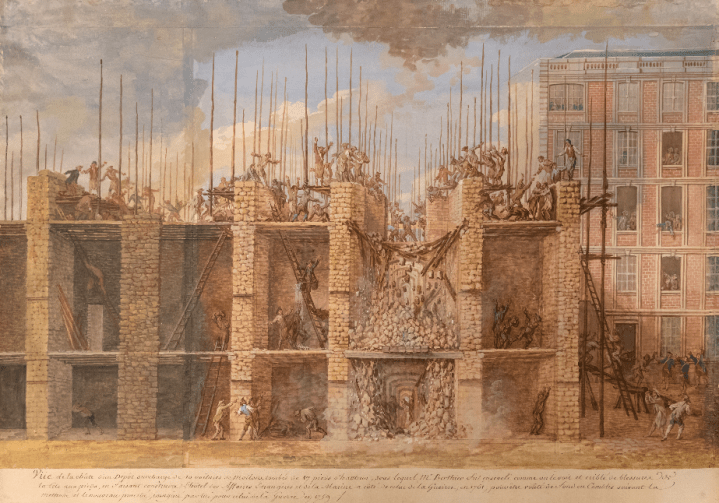
Louis-Nicolas van Blarenberghe, Accident survenu lors de la construction de l’hôtel des Affaires étrangères et de la Marine, à Versailles en 1761, ca. 1761, gouache over black chalk on paper, 38 × 56 cm (Bibliothèque Municipale de Versailles, Inv. 29359).
◊ ◊ ◊ ◊ ◊
Now on view at Versailles:
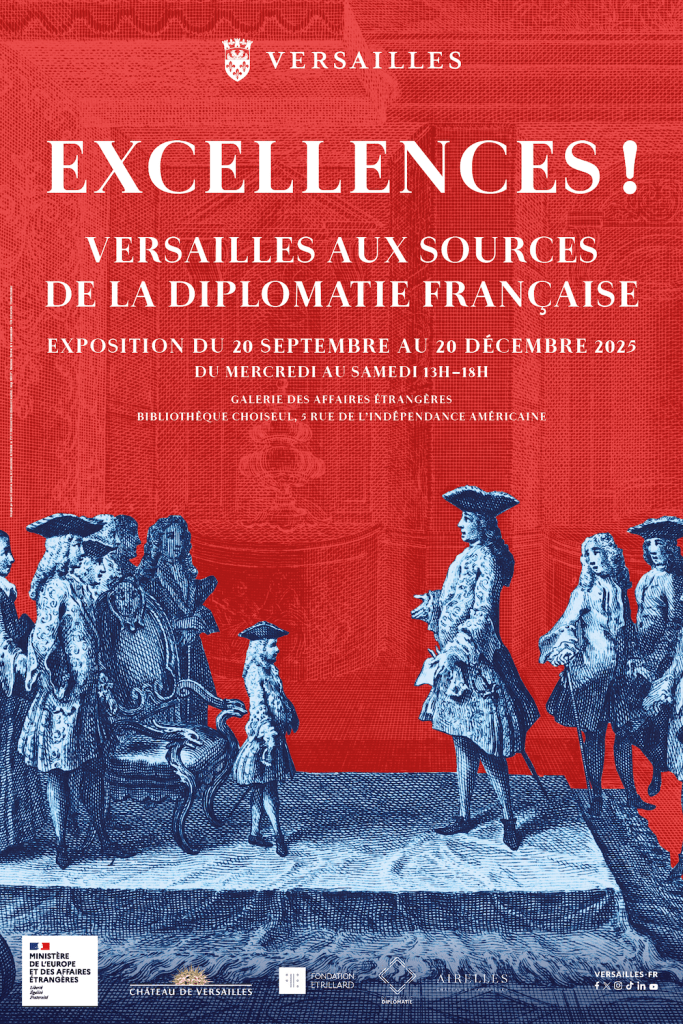
Excellences! Versailles aux Sources de la Diplomatie Française
Bibliothèque Choiseul, Versailles, 20 September — 20 December 2025
Curated by Sophie Astier and Vincent Haegele
La Ville de Versailles en collaboration avec les archives du Ministère de l’Europe et des Affaires étrangères présente l’exposition Excellences ! Versailles aux sources de la diplomatie française, dans un cadre emblématique : la Galerie des Affaires étrangères, lieu de diplomatie française et de la construction d’une administration moderne de la diplomatie. Une sélection exceptionnelle de documents retrace l’histoire de la diplomatie française sous l’Ancien Régime : 157 pièces originales dont près de la moitié, appartenant aux archives des Affaires étrangères, reviendront à Versailles pour la première fois depuis la Révolution française.
 Parmi ces pièces, on peut admirer des documents chargés d’histoire comme le traité de Cambrai dit Paix des Dames (1529), le traité de Westphalie qui termine la guerre de Trente Ans (1648), le traité de Paris (1763), la ratification du contrat de mariage scellant l’union de Louis XVI et Marie-Antoinette (1770), le traité de Versailles concluant la guerre d’Indépendance américaine (1783)…
Du règne de François Ier jusqu’à la guerre d’Indépendance américaine, découvrez l’histoire de la diplomatie française ainsi que la formalisation de ses pratiques et la construction d’une administration moderne. Le propos sera complété par différents portraits et objets d’arts permettant d’illustrer la vie d’ambassade et l’importance des cadeaux diplomatiques.
Une autre thématique abordée sera celle de la diplomatie officieuse, celle des espions, des messages codés et des opérations occultes, en faisant la part belle à ses acteurs les plus mystérieux, comme le chevalier d’Eon, qui sera évoqué par des correspondances, mais aussi par un étonnant portrait mi-homme mi-femme conservé dans les collections de la bibliothèque.
Le parcours de l’exposition est organisé en cinq étapes, qui sont à la fois chronologiques et thématiques. On y trouve une sélection de pièces tirées des collections de la bibliothèque municipale et des Archives diplomatiques, enrichies par quelques prêts exceptionnels venus d’autres institutions, notamment le Musée national des châteaux de Versailles et de Trianon. Dans chaque salle, un ou plusieurs documents constituent un « focus géographique » en lien avec les intitulés historiques des lieux. Le parcours se conclut sur la reconstitution d’un bureau de commis, tel qu’il existait dans la galerie sous Louis XV et Louis XVI.
The exhibition brochure is available here»
Excellences! Versailles aux sources de la diplomatie Française (Dijon: Éditions Faton, 2025), 192 pages, ISBN: 978-2878444056, €27. With contributions by Sophie Astier, Virginie Bergeret-Maës, Guillaume Frantzwa, and Vincent Haegele.
Exhibition | Beyond The Medici: The Haukohl Collection
Given that the exhibition has been on tour since 2018, it’s laughable that I’ve missed it for so long. The latest iteration is now on view in Phoenix under the title Florentine Baroque: The Haukohl Collection. –CH
Beyond The Medici: The Haukohl Collection
Kuntsammlungen und Museen Augsburg, 20 October 2018 — 20 January 2019
Arp Museum Bahnhof Rolandseck, Remagen, 10 February — 8 September 2019
Musèe National d’historie et d’art, Luxembourg, 16 October 2020 — 21 February 2021
Palais de Beaux Arts, Brussels, June — September 2021
Rollins Museum of Art, Winter Park, Florida, 23 September — 31 December 2023
David Owsley Museum of Art, Ball State University, Muncie, Indiana, 24 February — 24 August 2024
Georgia Museum of Art, Athens, 1 February — 18 May 2025
Phoenix Art Museum, 28 August 2025 — 26 July 2026
 Florentine Baroque: The Haukohl Collection presents more than 30 examples of painting, sculpture, and decorative arts drawn from the most important Florentine Baroque art collection outside of Italy, assembled over more than 40 years by Houston-based art collector and co-founder of the Medici Archive Project Sir Mark Fehrs Haukohl. Featured artworks by local Florentine artists and artists living across Europe reflect Florence’s flourishing art industry, as well as the cultural and intellectual legacy of the Medici Grand Dukes on the Renaissance and Baroque movements.
The catalogue is available from Distributed Art Publishers (Artbook) . . .
Federico Berti, ed., Beyond the Medici: The Haukohl Family Collection (Milan: Silvana Editoriale, 2019), 288 pages, ISBN: 978-8836641284, $60.
Sir Mark Fehrs Haukohl, a Houston-based art collector and cofounder of the Medici Archive Project, has built America’s largest private collection of Florentine baroque paintings from the 17th to 18th centuries. The paintings, drawings, textiles, and sculpture illustrated in the collection document the Medici patronage and artists of the period. Particular attention is paid to the Dandini Family of painters: Cesare, Vincenzo, Pier and Ottaviano. Essays by Eike Schmidt, James Bradburn, Federico Berti, Fabio Sottili, and Francesco Scasciamacchia address a broad overview of collecting and history of the period.
Exhibition | Anton Raphael Mengs (1728–1779)
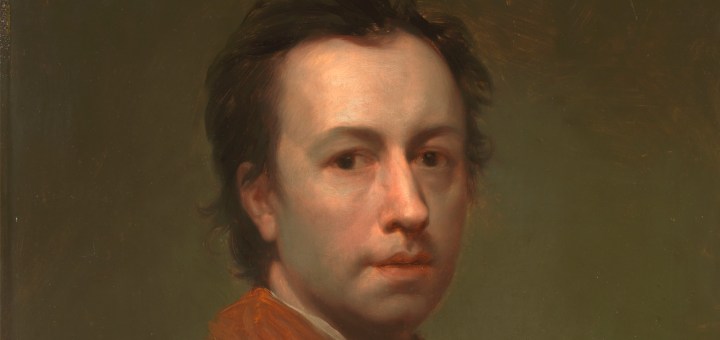
Anton Raphael Mengs, Self-Portrait, detail, 1761, oil on panel, 63 × 50 cm
(Madrid, Museo Nacional del Prado)
◊ ◊ ◊ ◊ ◊
From the press release for the exhibition:
Anton Raphael Mengs (1728–1779)
Museo Nacional del Prado, Madrid, 25 November 2025 — 1 March 2026
Curated by Andrés Úbeda and Javier Jordán de Urríes
The Museo del Prado and Fundación BBVA present an ambitious exhibition devoted to Anton Raphael Mengs, a key figure in the birth of Neoclassicism and one of the most influential artists of the 18th century. Anton Raphael Mengs (1728–1779) offers a detailed analysis of the painter’s work, thought, and legacy, in dialogue with the great masters of the past. It brings together a total of 159 works—including 64 paintings, 14 examples of the decorative arts, and 81 drawings, prints and studies on paper—allowing visitors to explore both the artist’s role as court painter and muralist as well as his intellectual and theoretical dimension. The works have been loaned from twenty-five international and nine Spanish institutions and ten private collections, reflecting the European reach of Mengs’s influence and the richness of his legacy.
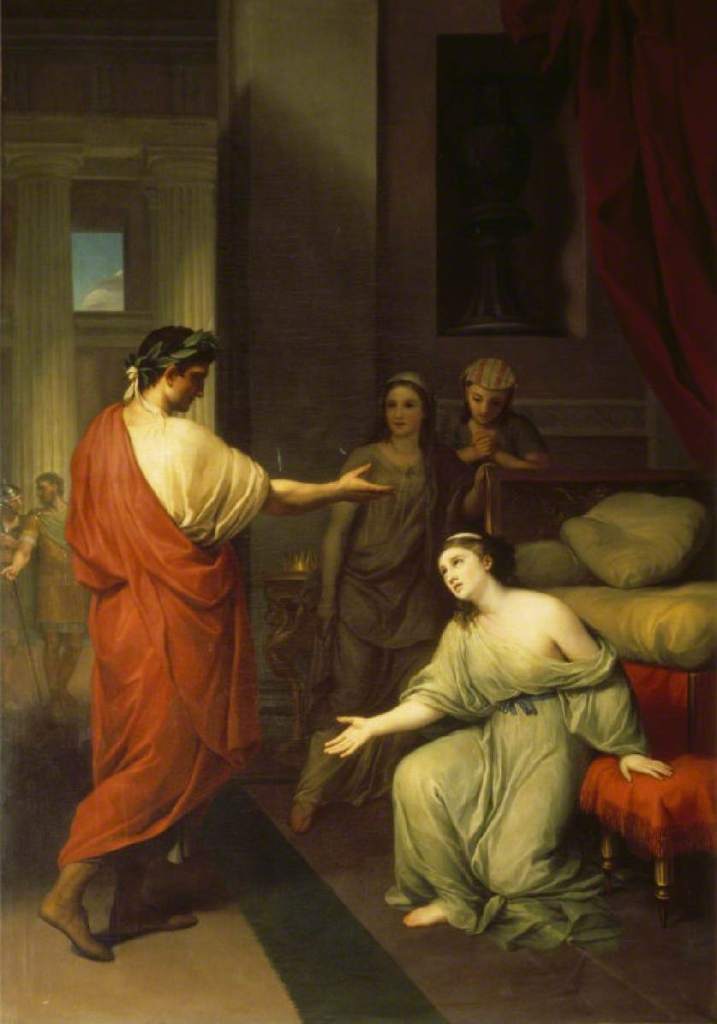
Anton Raphael Mengs, Octavian and Cleopatra, 1760, oil on canvas, 300 × 212 cm (National Trust Collections, Stourhead, The Hoare Collection).
The exhibition traces the artist’s journey from his training in Dresden and Rome to his rise to prominence as court painter to Charles III. It highlights his connections with figures such as Raphael, Correggio, and Winckelmann, as well as his role in redefining artistic taste in Europe. Exceptional loans that enrich the exhibition’s argument include The Lamentation over the Dead Christ from the Galería de las Colecciones Reales, Madrid; Jupiter and Ganymede from the Palazzo Barberini, Rome; and Octavian and Cleopatra from the National Trust Collections, United Kingdom.
The show is structured into ten thematic sections, combining a biographical survey of this cosmopolitan artist with areas devoted to specific aspects of his work and thought. Visitors will learn more about Mengs’s early training in Dresden and Rome under the strict discipline of his father, the court painter Ismail Mengs, and discover how the influence of Raphael and Correggio profoundly influenced his style and aspirations.
A section on “The Constant Challenge to Raphael” analyses Mengs’s conscious emulation of that artist, evident in works such as The Lamentation over the Dead Christ, displayed in a dialogue with Raphael’s Lo Spasimo di Sicilia. The sections on Rome, entitled “Rome, Caput Mundi” and “Rome: Fascination with the Ancient World,” show the impact of the Eternal City on Mengs’s work, both as a spiritual capital and as a repository of classical civilisation, with portraits of sitters such as Pope Clement XIII and Cardinal Zelada, as well as copies of antique sculptures that inspired the artist’s ideal of beauty.
 The exhibition also addresses Mengs’s complex relationship with the archaeologist Johann Joachim Winckelmann. “The End of Mengs’s Relationship with Winckelmann” tells the story of a friendship betrayed by the falsification of the fresco Jupiter and Ganymede. The section “Mengs, Painter-Philosopher” explores the artist’s theoretical activities, which made him an intellectual reference for Enlightenment art, and analyses the critical reception of his work after his death.
The patronage of Charles III is of central importance. The section “Painter to His Catholic Majesty and the Madrid Court” features portraits of the royal family and figures from Enlightenment Spain, while “Mengs, Painter of Frescoes” highlights the artist’s abilities at decorating large surfaces, such as the frescoes in the Royal Palace in Madrid. The section “Mengs as an Exponent of the New Enlightenment Devotion” focuses on his contribution to religious painting, influenced by Raphael, Correggio, Guido Reni, and Velázquez. Finally, “Mengs’s Legacy” looks at the painter’s influence on subsequent generations of artists, including Antonio Canova and Francisco de Goya.
Organised by the Museo Nacional del Prado with the exclusive sponsorship of Fundación BBVA, Anton Raphael Mengs (1728–1779) is curated by Andrés Úbeda de los Cobos, Head of the 18th-century Painting Collection and Goya at the Museo del Prado, and Javier Jordán de Urríes y de la Colina, Curator of 18th-century painting at Patrimonio Nacional.
Andrés Úbeda and Javier Jordán de Urríes, eds., Antonio Raphael Mengs, 1728–1779 (Madrid: Prado, 2025), 488 pages, ISBN: 978-8484806455, €38. Spanish edition.










 Enfilade
leave a comment