 The impressive collection of eighteenth-century French paintings at the National Gallery, London, includes important works by Boucher, Chardin, David, Fragonard, Watteau, and many others. This volume presents over seventy detailed and extensively illustrated entries that expand our understanding of these paintings. Comprehensive research uncovers new information on provenance and on the lives of identified portrait sitters. Humphrey Wine explains the social and political contexts of many of the paintings, and an introductory essay looks at the attitude of eighteenth-century Britons to the French, as well as the market for eighteenth-century French paintings then in London salerooms.
 This edited collection is an interdisciplinary study of gems in the early modern world. It examines the relations between the art, science, and technology of gems, and it does so against the backdrop of an expanding global trade in gems. The eleven chapters are organised into three parts. The first part sets the scene by describing how gems moved around the early modern world, how they were set in motion, and how they were pulled together in the course of their travels. The second part is about value. It asks why people valued gems, how they determined the value of a given gem, and how the value of a gem was connected to its perceived place of origin. The third part deals with the skills involved in cutting, polishing, and mounting gems, and how these skills were transmitted and articulated by artisans. The common themes of all these chapters are materials, knowledge and global trade. The contributors to this volume focus on the material properties of gems such as their weight and hardness, on the knowledge involved in exchanging them and valuing them, and on the cultural consequences of the expanding trade in gems in Eurasia and the Americas.
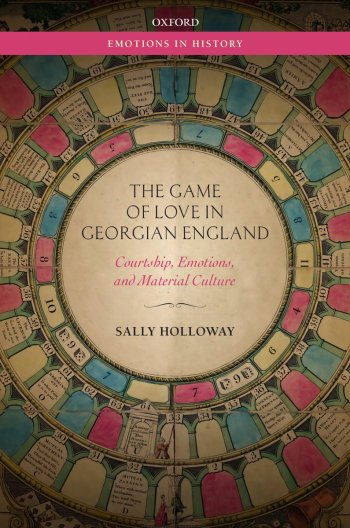 Courtship in Georgian England was a decisive moment in the life cycle, imagined as a tactical game, an invigorating sport, and a perilous journey across a turbulent sea. This volume brings to life the emotional experience of courtship using the words and objects selected by men and women to navigate this potentially fraught process. It provides new insights into the making and breaking of relationships, beginning with the formation of courtships using the language of love, the development of intimacy through the exchange of love letters, and sensory engagement with love tokens such as flowers, portrait miniatures, and locks of hair. It also charts the increasing modernization of romantic customs over the Georgian era—most notably with the arrival of the printed valentine’s card—revealing how love developed into a commercial industry. The book concludes with the rituals of disintegration when engagements went awry, and pursuit of damages for breach of promise in the civil courts.
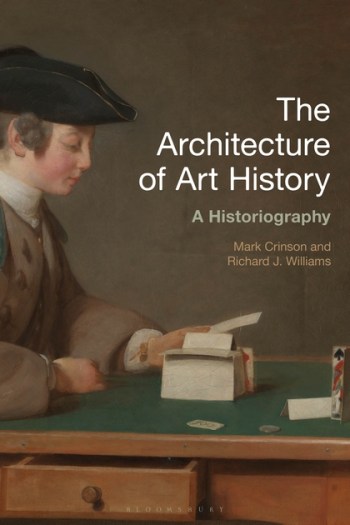 What is the place of architecture in the history of art? Why has it been at times central to the discipline, and at other times seemingly so marginal? What is its place now?
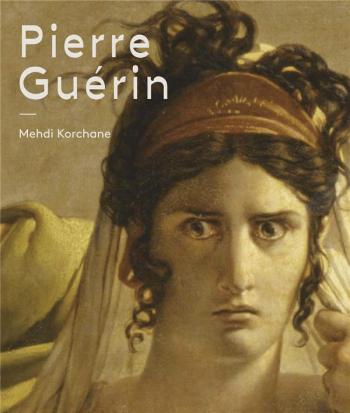 De tous les peintres qui dominent la scène française au début du XIXe siècle, Pierre Guérin (1774–1833) est le plus méconnu. L’évolution de la peinture d’histoire du Directoire à la monarchie de Juillet ne peut pourtant se comprendre sans cet artiste capital, passeur entre la modernité de David, qu’il a transformée en l’assimilant, et celle des peintres romantiques qu’il a formés. Guerin doit au Retour de Marcus Sextus, mémorial des peines endurées par la famille France au cours de la Révolution, des débuts mythiques au Salon de 1799, et l’extraordinaire succès de Phèdre et Hippolyte en 1802, lui assure un statut équivalent à celui de Chateaubriand dans la sphère publique. Il produit au cours de l’Empire et de la Restauration des oeuvres qui ont marqué la mémoire collective et occupent, de longue date, les cimaises du musée du Louvre (Aurore et Céphale, Didon et Enée…). Membre de l’Académie de beaux-arts, promoteur d’un beau idéal prenant sa source dans l’Antiquité, tout en favorisant par son action pédagogique l’essor de la peinture romantique, il incarne tous les paradoxes de cette époque en rupture.
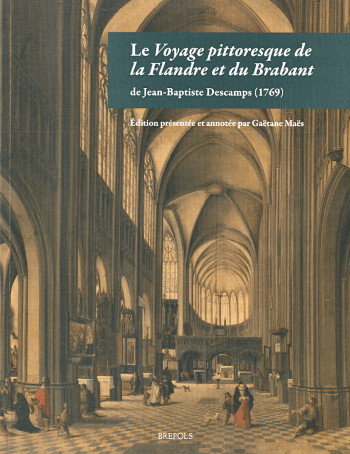 Cette édition du Voyage pittoresque de la Flandre et du Brabant (1769) de Jean-Baptiste Descamps permet non seulement de comprendre l’importance de l’ouvrage dans l’émergence du tourisme d’art, mais elle est aussi la première à fournir la localisation actuelle des oeuvres commandées par les églises aux anciens maîtres flamands.
En publiant Le Voyage pittoresque de la Flandre et du Brabant à Paris en 1769, Jean-Baptiste Descamps (1715–1791) a fait connaître au public européen les richesses artistiques conservées dans les églises des Pays-Bas du Sud (actuelle Belgique). Alors qu’il était d’usage de se rendre en Italie depuis la Renaissance, son livre était le premier à imposer une autre destination culturelle aux amateurs d’art. A ce titre, il a connu un succès considérable, ne s’éteignant qu’à l’époque napoléonienne en raison du nombre important d’oeuvres disparues ou déplacées.
A cet égard, l’ouvrage de Descamps conserve une importance unique, car il fournit un état des lieux du patrimoine visible dans la Flandre et le Brabant jusqu’au XVIIIe siècle, avant les trois événements qui le bouleversèrent à jamais. Il y eut, d’abord, les édits autrichiens supprimant l’ordre des Jésuites en 1773, puis les couvents en 1783, qui aboutirent tous deux à des ventes massives d’oeuvres d’art ; il y eut, ensuite, les saisies effectuées par les troupes françaises de la République en 1794. Par ces dépouillements successifs, le guide écrit par Descamps pour une banale vocation touristique est devenu un document irremplaçable que l’édition critique vise à actualiser et à enrichir. Celle-ci donne, en effet, les moyens de visualiser cet état originel du patrimoine belge décrit par l’auteur grâce aux nombreuses illustrations et aux notes fournissant les localisations actuelles des oeuvres. Un index complète ces éléments en répertoriant la production personnelle des artistes cités par Descamps afin de contribuer à une meilleure connaissance de chacun d’entre eux.
Gaetane Maes est Maître de conférences habilitée à diriger des recherches, et elle enseigne l’Histoire de l’Art des Temps modernes à l’université de Lille. Spécialiste des échanges artistiques entre la France et les anciens Pays-Bas (Flandre et Hollande), elle a notamment publié De l’expertise à la vulgarisation au siècle des Lumières: Jean-Baptiste Descamps (1715–1791) et la peinture flamande, hollandaise et allemande (Brepols, 2016). Elle est également l’auteur de nombreux articles sur l’historiographie des peintres et les fonctions sociales de l’art aux XVIIe et XVIIIe siècles.
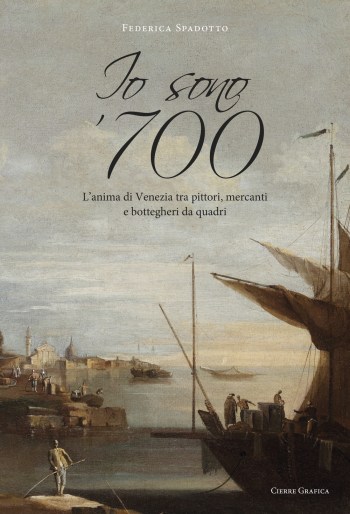 Il volume illustra il mercato dei quadri a Venezia nel Settecento. Per la prima volta l’attenzione critica si sposta dai grandi collezionisti alle dinamiche commerciali vere e proprie, che coinvolgevano gli stessi artisti, oltre a intermediari, diplomatici ed i cosiddetti ‘botegheri da quadri’. Questi ultimi, titolari di negozi/ laboratori per la vendita di dipinti al dettaglio, decreteranno, insieme a figure come il Console Smith o John Strange—di cui è resa nota l’inedita corrispondenza con l’intendente veneziano Giovanni Maria Sasso—le sorti di Michele Marieschi, Canaletto e molti protagonisti del paesaggio e della veduta, ovvero i generi che hanno reso celeberrima Venezia nel suo secolo d’oro. Tra aneddoti, riflessioni e documenti, i dipinti sfilano ad illustrare uno scenario dai risvolti inaspettati, dove luci e ombre del mercato lagunare divengono metafora del nostro tempo.
 Famed photographer Derry Moore and renowned interior designer David Mlinaric offer a panoramic tour inside some of Britain’s finest manor houses, halls, castles, and public buildings. Bridging five centuries, this lavishly illustrated book looks at houses such as Haddon Hall, Chastleton, and Knole, each with superb examples of Tudor and Stuart interiors. Including Houghton Hall from the 18th century and Waddesdon Manor from the 19th century, the book continues into the 20th century to feature the homes of such influential figures as Nancy Lancaster, Pauline de Rothschild, and David Hicks, guiding readers through the finest examples of English interior design. The work of British masters including Inigo Jones, William Kent, and Robert Adam is beautifully portrayed in striking photographs while complementary essays enlighten readers on the events and personalities that lend each site cultural significance. Anglophiles, armchair tourists, and lovers of grand interiors will enjoy these gorgeous photographs while discovering more about the designers, architects, and trends that have made British style so alluring and enduring over the centuries.
 The brilliantly restored St. Giles House, in the idyllic Dorset countryside, offers high-point Georgian architecture and interiors that bridge many historical styles.
 From Brideshead to Downton Abbey, the country house is a subject of fantasy and curiosity, as well as a rich resource to explore the history of great architecture and decoration and the lives of landowners and those who made the houses work. With hundreds of photographs from the National Trust, and others from public and private collections, this visually lavish volume draws back the curtain on important historic homes in England, Wales, Scotland, and Ireland. At the same time it reveals the complex stories of these interiors, both grand and hidden, from great halls, libraries and entryways to the kitchens and stables and gardens. Locations featured include Knole, Cragside, Castle Howard, Chatsworth, Polesden Lacey, Petworth, Bodiam Castle, Blenheim, Longleat, and dozens more.









 Enfilade
leave a comment