Exhibition | Undressed: The Nude in Dutch Art, 1550–1800
Opening in March at Syracuse University:
Undressed: The Nude in Dutch Art, 1550–1800
Syracuse University Art Galleries, 17 March — 9 May 2026
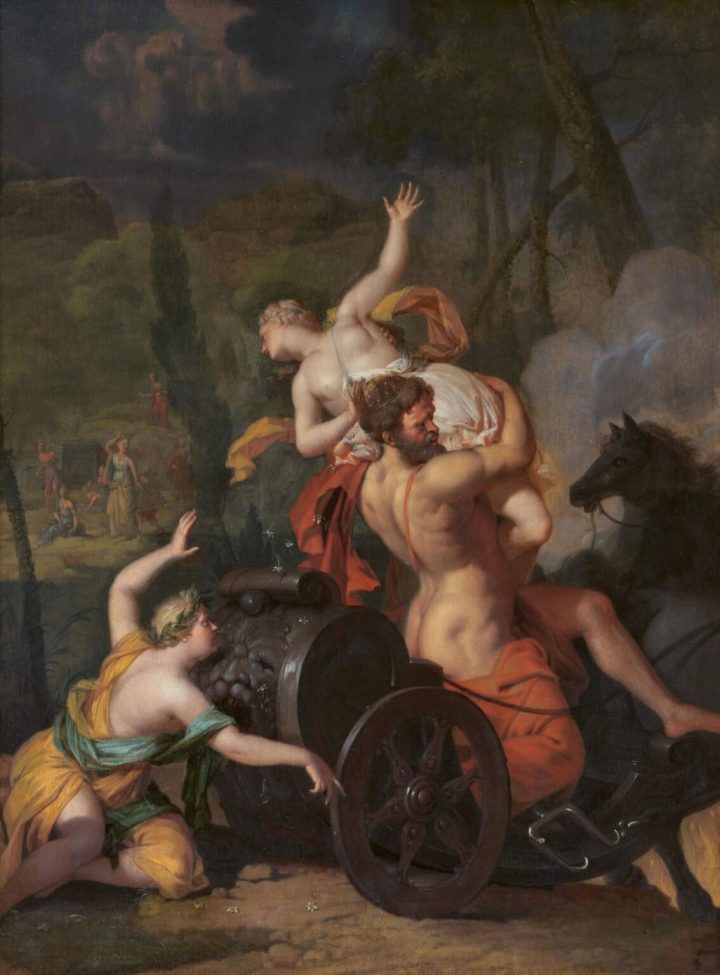
Pieter van Veen (1667–1736), The Rape of Proserpina, oil on canvas.
This exhibition, encompassing twenty-one works in various media, surveys the portrayal of nudity and semi-nudity in a variety of subjects rendered by Dutch artists over several centuries. It will explore how the nude has been articulated, both artistically and contextually, to disrupt traditional ideas of nudity in art, which were primarily argued by Sir Kenneth Clark in The Nude: A Study in Ideal Form (1956). In this influential text, Clark posited that the presence of the nude in art, existed above and beyond cultural circumstances, as a timeless, almost abstract ideal. He advanced a distinction between ‘naked’ and ‘nude’, with the latter explained as an idealization, or an evocation of timeless ideals. To the contrary, this exhibition presents nudity in art as a phenomenon that is time-bound and culturally determined.
This exhibition is curated by Wayne Franits (Distinguished Professor and Department Chair, Art and Music Histories) and the eight senior art history majors enrolled in the fall 2025 course HOA 498: Senior Seminar, Research and Professional Practice.
Exhibition | Dealing in Splendour
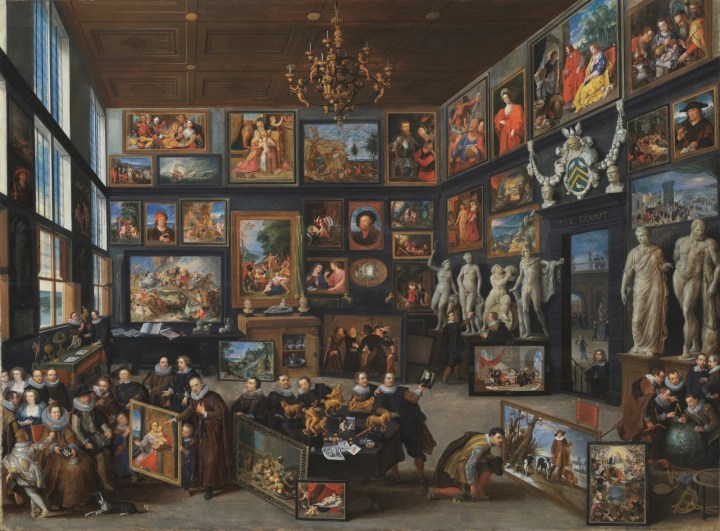
Willem van Haecht, The Gallery of Cornelis van der Geest, 1628, oil on panel
(Antwerp, Rubenshuis, City of Antwerp Collection, Rubenshuis)
◊ ◊ ◊ ◊ ◊
Now on view in Vienna at the Liechtenstein Garden Palace:
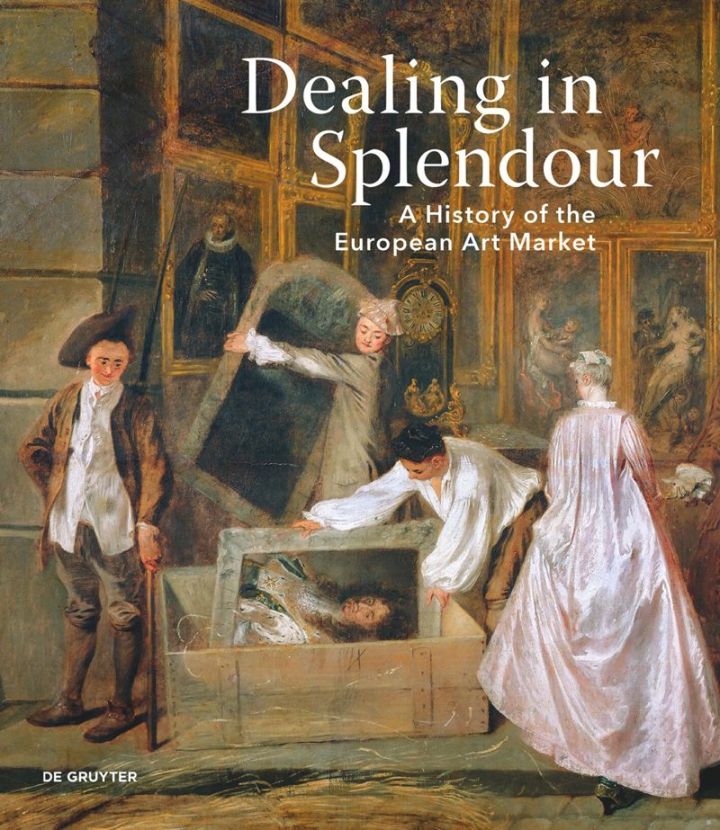
Dealing in Splendour: A History of the European Art Market
Noble Begierden: Eine Geschichte des Europäischen Kunstmarkts
Gartenpalais Liechtenstein, Wien, 30 January — 6 April 2026
Curated by Stephan Koja, Christian Huemer, and Yvonne Wagner
With a history reaching back over four centuries, the Collections of the Princely Family of Liechtenstein are part of a long tradition of collecting that spans many generations. Essential to this at all times has been a policy of active collecting. In the past as in the present, new acquisitions shaped the appearance of the galleries. The art collection has thus been formed not only by the personal tastes of the various princes but also by the art market with its changing sales strategies, trend-setting individuals, and economic factors.
 Against this background, Dealing in Splendor addresses the fascinating history of the European art market. Spotlights will be shone on structures, centres of innovation, influential personalities, and marketing methods from antiquity to the nineteenth century, revealing that many of these methods have changed very little up to the present day. Auctions were held in ancient imperial Rome. In Antwerp, art trade fairs were already attracting an international clientele in the sixteenth century, and the first catalogues raisonnés of Old Masters were compiled by art dealers in the eighteenth century.
These and other enthralling insights into the history of the European art market await you at the Liechtenstein Garden Palace in Vienna, with major works from the Princely Collections appearing alongside sensational loans in the largest annual temporary exhibition we have mounted to date. The extensive catalogue will boast essays by leading experts in the field of art market scholarship, bringing interdisciplinary approaches to bear in a volume that will provide a comprehensive overview of the subject.
Art as a Commodity: The Flourishing Art Market of Antiquity
Even in ancient Roman times, there was a flourishing art market, sustained by a network of collectors, connoisseurs, buyers, and agents. Early forms of serial production and market adjustment were already developed and continued to have an effect into the early modern age. The great demand for classical Greek works led to a burgeoning production of replicas, variations, and reduced-size copies, which Roman collectors acquired specifically for particular rooms and functions. Workshops all over the Mediterranean specialized in reproducing famous representational formulas in order to provide objects in various price ranges—from monumental copies in marble to small bronze statuettes.
International Trade: Forchondt
Prince Karl Eusebius I von Liechtenstein had a particularly long and intensive connection with the Forchondt family of dealers. They had an international presence with branches in Antwerp, Vienna, and the Iberian Peninsula, shipping works of art and furniture in all price categories to destinations as far afield as South America. Karl Eusebius’s son, Prince Johann Adam Andreas I, was likewise a client of the Forchondts, from whom he purchased many of his most important acquisitions, including paintings by Rubens and van Dyck. This business relationship with the Forchondts, holders of an imperial privilege as jewellers to the imperial court, lasted until the reign of Prince Joseph Wenzel I.
Serial Production in the Fifteenth Century
In the Italian city-states of the fifteenth century, the emergent ruling families, foremost among them the Medici in Florence, made systematic use of art patronage. By erecting imposing monuments, they shaped the appearance of the cities and demonstrated their power. They commissioned chapels and altarpieces, and alongside the Church were the most prominent and important patrons of the era. However, there were also classes of customers with smaller purses. The prices for works of art depended on the materials used, the time and labour involved, and the prestige of the masters who had made them. The workshops produced particularly popular motifs in various price ranges, some being offered for sale as ready-made works, without having been previously commissioned. Outlay and labour were reduced by turning out multiple copies of a work with just minor variations, or by serial production in suitable materials such as terracotta.
The Brueg(h)el Dynasty
Pieter Bruegel the Elder was one of the most important Flemish painters of his time. His compositions were so successful that copies of his works were made in his workshop and in those of his descendants. A whole dynasty of painters and numerous imitators drew on his works even after his death, continuing to sell them, often with only minimal changes, at a healthy profit.
The Beginnings of Large-scale Production in the Low Countries
One notable feature of Holland’s seventeenth-century Golden Age was the unusual wealth of art works, particularly paintings, in the homes of its burghers. In order to keep up with demand artists developed methods that shortened their working hours and increased their productivity. To achieve this, they specialized in particular genres, one such practitioner being Jan van Goyen, whose reduced palette both limited his material expenses and became his hallmark. His landscapes earned him international acclaim. Jan Davidsz. de Heem was famous for his opulent still lifes. Rachel Ruysch made a successful speciality of the flower still life.
Souvenirs from the Grand Tour
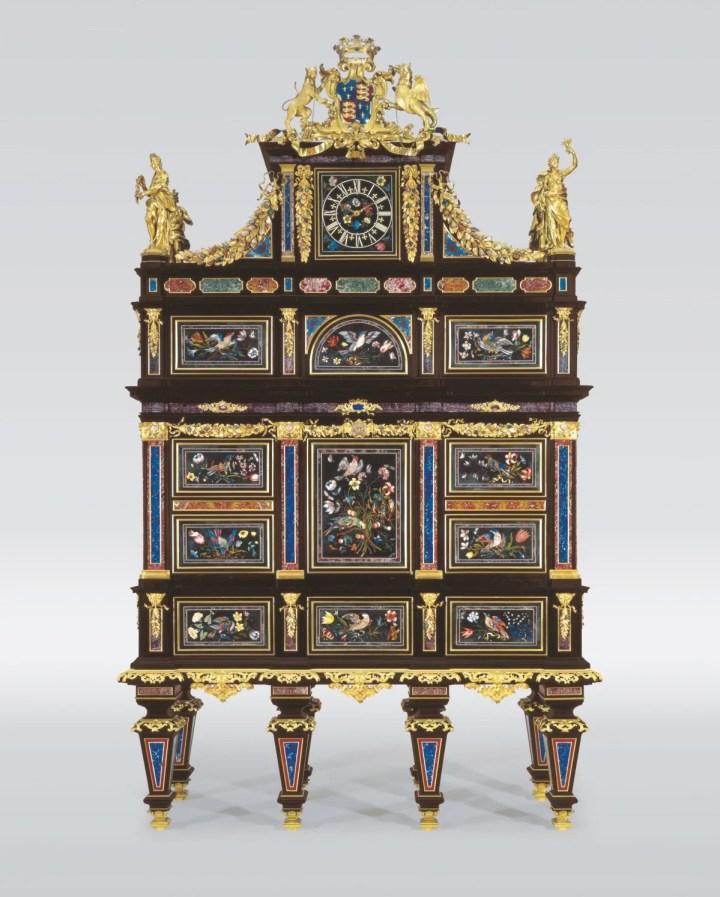
Baccio Cappelli and Girolamo Ticciati, Galleria dei Lavori, Badminton Cabinet, 1720–32 (Collection of the Princely Family of Liechtenstein, acquired in 2004 by Prince Hans-Adam II von und zu Liechtenstein).
In the seventeenth and eighteenth century, journeys taking in the centres of European culture were an important part of the education of scions of the nobility. In British society in particular, the so-called Grand Tour was regarded as the height of fashion, with the result that in the countries visited, in particular Italy with Rome as its cultural centre, a veritable industry grew up to cater for these young tourists, with accommodation, cicerones, and guidebooks to the sights—and souvenirs of the sights to take back home. The most popular of these were the views known as capricci—compositions of various statues, ruins, and edifices that in reality stood nowhere near one another. In Rome, the most successful artists in this field were Giovanni Battista Piranesi and Giovanni Paolo Pannini. It was regarded as especially prestigious to have one’s likeness painted by a well-known portraitist, or best of all by Pompeo Girolamo Batoni. The phenomenon of the souvenir was possibly carried to its greatest extreme by Henry Somerset, third duke of Beaufort, who commissioned the monumental Badminton Cabinet from the grand-ducal Galleria dei Lavori in Florence.
From Dilettante to Connoisseur: Edme-François Gersaint
During the eighteenth century, Paris and London became centres of innovation in the art market. There the auction scene was given fresh impetus with the arrival of influential experts and auctioneers, elegant auction rooms, printed sale catalogues, and exhibitions that became veritable social spectacles. A pioneering role in these developments was played by Edme-François Gersaint, who blazed new trails with his shop on the Pont Notre Dame, his auctions, and his detailed auction catalogues.
Art Historians, Expertise, and the Establishment of Canons of Works
Attributions and provenances—which had assumed increasing importance over the previous century—now lay in the hands of scholars, whose opinions as proclaimed in catalogues raisonnés influenced contemporary tastes and above all the price of works included in these publications. The value of the works increased or decreased depending on their purported authenticity (or lack of it). In many cases the criteria for authenticity were necessarily limited to stylistic characteristics. These were duly contested, in scholarly circles and elsewhere. This can be seen particularly clearly in the case of Rembrandt, whose body of works expanded or contracted depending on the scholar surveying his oeuvre.
Art for the Masses: The Revolutionary Art Market of the Nineteenth Century
In the nineteenth century the art market was revolutionized. New forms of presentation and serial production and the reproduction of images in huge numbers made art into a mass medium that circulated all over the world. Firms such as Goupil et Cie professionalized these mechanisms by systematically providing reproductions of famous works of art for various categories of buyer. At the same time dealers such as Charles Sedelmeyer established the phenomenon of the art spectacle, which—accompanied by deliberately dramatic presentation, advertising, and skilful use of media—attracted huge crowds. Thus, in the nineteenth century various innovative strategies directed at a wide sector of the public came together to shape the art market of the time, forming the basis for the present-day art business.
Curators
Stephan Koja, Director of the Princely Collections of Liechtenstein
Christian Huemer, Head of the Belvedere Research Center
Yvonne Wagner, Chief Curator of the Princely Collections of Liechtenstein
Christian Huemer and Stephan Koja, eds., Dealing in Splendour: A History of the European Art Market (Berlin: De Gruyter Brill, 2026), 448 pages, ISBN: 978-3689241063 (German) / ISBN: 978-3689241070 (English), €59 / $65.
Exhibition | Goya and the Age of Revolution
Now on view at the Hispanic Society Museum & Library:
Goya and the Age of Revolution
Hispanic Society Museum & Library, New York, 11 December 2025 — 28 June 2026
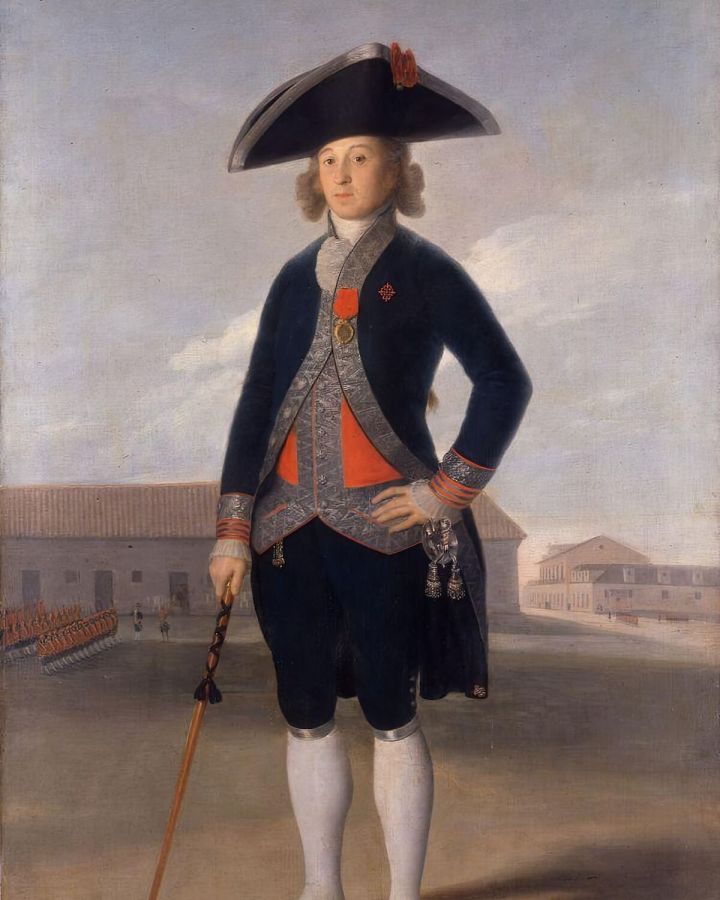
Francisco Goya, Portrait of Manuel Lapeña, Marquis of Bondad Real, detail, 1799, oil on canvas, 225 × 140 cm (Hispanic Society of America).
Beginning in the late 18th century, three interconnected revolutions transformed the world. Supported by Spain and France, the American Revolution (1775–1783), would inspire the French Revolution (1787–1799), which led to the rise of Napoleon, who invaded Spain in 1808, sparking the Spanish War of Independence, known as the Peninsular War (1808–1814). All three conflicts impacted the life and work of Francisco de Goya y Lucientes (1746–1828). The artist painted the portraits of at least two protagonists of the American Revolution: Admiral Jose de Mazarredo (ca. 1785, private collection) and General Francisco de Saavedra (1798, The Courtauld, London). Caught in the middle of the Peninsular War, Goya captured acts of heroism and atrocity in a series of 82 prints executed between 1810 and 1820 known as the Disasters of War. From the promise of egalitarianism to the horrors of battle, the story of revolution animates some of Goya’s most powerful works.
To mark the 250th anniversary of the U.S. Declaration of Independence, the present installation displays a selection of works by Francisco de Goya and his circle broaching the subject of war, revolution, and independence. This initiative is supported by the Goya Research Center. Launched in 2024 by the Hispanic Society Museum & Library, the Goya Research Center aims to advance on the study of Francisco de Goya and bring him to new audiences through public programs, exhibitions, and publications.
◊ ◊ ◊ ◊ ◊
Note (added 2 February 2026)— When the show opened in December, the Museum’s Instagram page included a powerful detail of Eugenio Velázquez’s Victims of War, painted in the 1860s. In these days of war and rumors of war, it all feels all too poignant. –CH
Esther Bell Named Next Director of the Clark Art Institute
From the press release (29 January 2026) from The Clark, with coverage in the The New York Times:
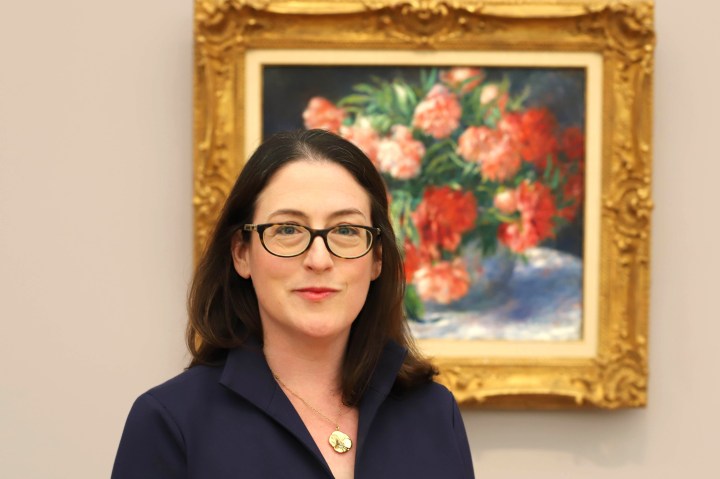 The Board of Trustees of the Clark Art Institute today announced the appointment of Esther Bell as the Institute’s Hardymon Director. Currently serving as the Clark’s Deputy Director and Robert and Martha Berman Lipp Chief Curator, Bell will become the Clark’s sixth director when she assumes her new role on July 1.
The Board unanimously elected Bell to the position following an extensive international search. Bell will be the first woman in the Clark’s seventy-year history to serve as its director. She succeeds Olivier Meslay, who announced last September that he would be leaving the Clark and returning to his native France in 2026.
“We are proud and deeply gratified to announce Esther Bell as our new director, based on her countless achievements at the Clark and a career of recognized excellence in the field,” said Denise Littlefield Sobel, chairman of the Institute’s Board of Trustees. “She is a consummate professional, a collaborative member of the Clark’s senior staff, and has honed her directorial acumen through sharp executive decision-making and a talent for forging close working relationships throughout the museum world. We look forward to her leading the Clark to even greater success in her new position.”
Of his successor, Meslay noted that “I first met Esther Bell in 2003 when she was pursuing a Fulbright Fellowship at the Musée du Louvre. I knew then that she was an exceptional art historian and I have watched her forge a brilliant career. I am delighted to know that the Clark’s next chapter will be entrusted to Esther’s exceedingly capable hands. She is a respected museum leader, an impressive scholar, and a passionate advocate for the arts. I congratulate Esther on her appointment and look forward to celebrating the continued growth and success she is sure to bring to the Clark.”
Bell is a key member of the Clark’s senior leadership team. In addition to leading the Institute’s curatorial staff and directing the care and growth of its collections, Bell oversees the work of the Clark’s library, its education and public programming teams, and its visitor services efforts. She also plays a central role in fulfilling the Clark’s commitment to visitor engagement, while representing the Clark on a number of community-based service organizations.
“I am honored by the opportunity to become the Clark’s Hardymon Director and extraordinarily inspired to imagine where we can take this beloved and celebrated institution in the years ahead,” said Bell. “With the support of my esteemed colleagues, I look forward to being a part of an exciting future for the Clark as we dedicate ourselves to ensuring that the Institute will always be a welcoming place of contemplation, inspiration, and education for all. As we continue to grow our campus and our collections, we recognize the significance of ensuring that we steward the Clark’s remarkable resources with care, consideration, and commitment to fulfill our mission of extending the public’s appreciation of art.”
Esther Bell joined the Clark’s staff in 2017 and was appointed Deputy Director in 2022. Her first engagement with the Institute came in 2001 when she came to Williamstown to pursue her Master’s degree in Williams College’s Graduate Program in the History of Art, which is jointly administered by and housed at the Clark.
In her time at the Clark, Bell has spearheaded the Institute’s embrace of a broader array of artists and genres, making ambitious acquisitions and encouraging critical scholarly research of the objects in the collection. Bell has been deeply involved in the Clark’s special exhibitions program and has organized several of its most important recent exhibitions, including:
• An Exquisite Eye: Introducing the Aso O. Tavitian Collection (13 June 2026 — 21 February 2027), celebrating the transformative gift to the Clark from the foundation of the late collector and connoisseur Aso O. Tavitian. The exhibition will present some 150 of the works recently added to the Clark’s permanent collection, including rare Renaissance and Early Modern masterpieces by artists including Jan Van Eyck, Andrea della Robbia, Gian Lorenzo Bernini, Peter Paul Rubens, Jean-Antoine Watteau, and Elizabeth Vigée-Lebrun. Bell played a central role in the Clark’s acquisition of the Tavitian gift and conceptualized this exhibition, curated along with Lara Yeager-Crasselt, the Clark’s newly appointed Aso O. Tavitian Curator of Early Modern European Painting and Sculpture.
• Guillaume Lethière (15 June — 14 October 2024), the first monographic exhibition ever presented on the Neoclassical artist. Forging new scholarship on an artist who played a central role in eighteenth and nineteenth century French art, the exhibition introduced Lethière’s work to contemporary audiences. Following its debut at the Clark, the exhibition traveled to Paris where it was presented at the Musée du Louvre, and is now on view at the Mémorial ACTe in Pointe-à-Pitre, Guadeloupe. Bell co-curated the exhibition at the Clark with Olivier Meslay and at the Louvre with Marie-Pierre Salé, chief curator in the Department of Drawings.
• Promenades on Paper: Eighteenth-Century French Drawings from the Bibliothèque Nationale de France (17 December 2022 — 12 March 2023), the first American presentation of works from the esteemed collection of France’s national library and the first public exhibition of many of the rare drawings in the library’s vast holdings. The exhibition was organized by the Clark in partnership with the Bibliothèque nationale de France, and was jointly curated by a Clark team including Bell, Sarah Grandin, the Clark-Getty Curatorial Fellow, and Anne Leonard, Manton Curator of Prints, Drawings, and Photographs, in collaboration with Corinne Le Bitouzé, Conservateur general, Pauline Chougnet, Conservateur en charge des dessins, and Chloé Perrot, Conservateur des bibliothèques, from the Bibliothèque nationale.
• Renoir: The Body, The Senses (8 June — 22 September 2019), the critically acclaimed exhibition was the first major exploration of Renoir’s unceasing interest in the human form. Bell and George T.M. Shackleford, deputy director of the Kimbell Art Museum, co-curated the exhibition and authored the accompanying catalogue. Following its premiere at the Clark, Renoir: The Body, The Senses traveled to Fort Worth for its presentation at the Kimbell.
Bell also played an integral role in the inaugural presentation of the Clark’s first outdoor exhibition, Ground/work (6 October 2020 — 17 October 2021) and its second iteration, which is currently on view until 12 October 2026 on the Clark’s 140-acre campus. Featuring monumental sculptural works, both presentations underscore the relationship between art and nature that are so central to the experience of the Clark.
In addition to her curatorial efforts, Bell was responsible for a major expansion of the Clark’s education and public programming activities, culminating in the 2025 establishment of its Division of Learning and Engagement. This project established a framework to more completely integrate the Clark’s educational activities, school and community outreach, and public programming initiatives in support of the Clark’s commitment to fostering meaningful engagements with art and nature. Bell regularly teaches courses in the Williams College/Clark Graduate Program in the History of Art and frequently lectures in the United States and Europe. She has co-edited and contributed to numerous scholarly exhibition catalogues.
Before joining the Clark, Bell served as the curator in charge of European paintings at the Fine Arts Museums of San Francisco, where she organized important exhibitions including Degas, Impressionism, and the Paris Millinery Trade and The Brothers Le Nain: Painters of Seventeenth-Century France. Prior to that, Bell was the curator of European paintings, drawings, and sculpture at the Cincinnati Art Museum. She began her career in New York, holding positions as a research assistant and curatorial fellow at both the Metropolitan Museum of Art and the Morgan Library & Museum.
Bell holds a doctorate in the history of art from the Institute of Fine Arts, New York University, with a specialization in seventeenth- and eighteenth-century European art. She earned a master’s degree from the Williams College/Clark Graduate Program in the History of Art, and a bachelor’s degree in the history of art from the University of Virginia. She completed a Fulbright Fellowship at the Musée du Louvre in 2003 and has held several other fellowships. In 2020, Bell completed a fellowship at the Center for Curatorial Leadership in New York. In 2015, Apollo magazine named her one of the top curators in North America under the age of forty. Bell is active in the Williamstown community and is a member of the boards of both the Williamstown Community Chest and the Williamstown Chamber of Commerce.
Russell Reynolds Associates, New York, coordinated the search for the Clark, working closely with a committee comprised of members of the Institute’s Board of Trustees.
The Clark Art Institute, located in the Berkshires of western Massachusetts, is one of a small number of institutions globally that is both an art museum and a center for research, critical discussion, and higher education in the visual arts. Opened in 1955, the Clark houses exceptional European and American paintings and sculpture, extensive collections of master prints and drawings, English silver, and early photography. Acting as convener through its Research and Academic Program, the Clark gathers an international community of scholars to participate in a lively program of conferences, colloquia, and workshops on topics of vital importance to the visual arts. The Clark library, consisting of nearly 300,000 volumes, is one of the nation’s premier art history libraries. The Clark also houses and co-sponsors the Williams College Graduate Program in the History of Art.
New Book | Noble Beasts
From Yale UP:
Amy Freund, Noble Beasts: Hunters and Hunted in Eighteenth-Century French Art (New Haven: Yale University Press, 2026), 248 pages, ISBN: 978-0300282702, $75.
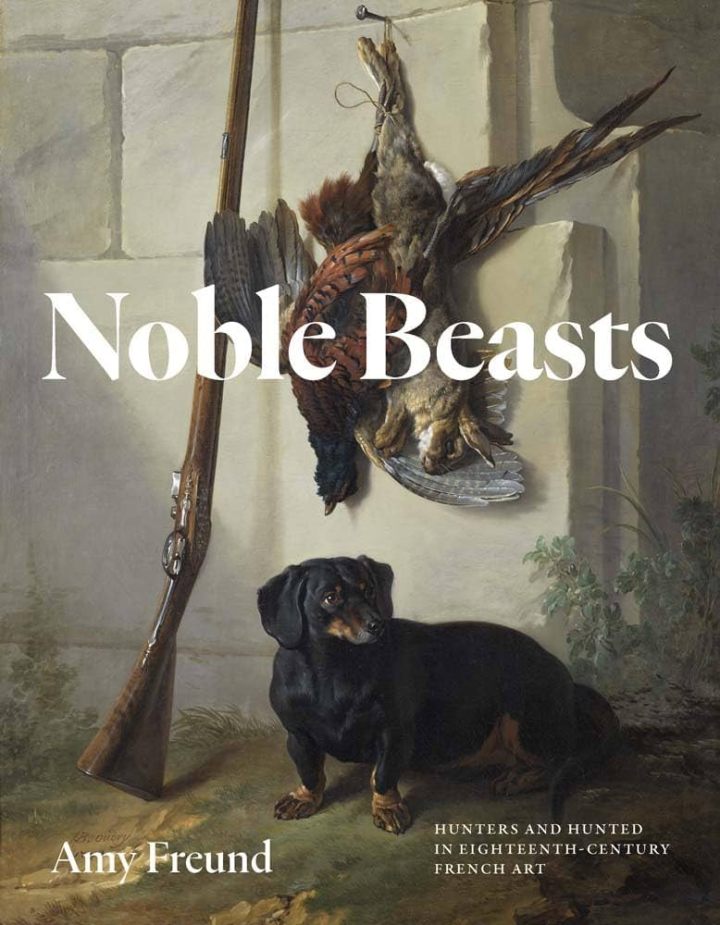 How visual fantasies of violence, animality, and political agency offered an alternative image of masculinity during the Enlightenment.
Centering on animal bodies and assertive masculinity, the visual strategies of hunting art may appear incongruent with our understanding of Rococo aesthetics and the early Enlightenment. But these themes, embraced with enthusiasm by artists and patrons, inspired artworks in every genre and medium in eighteenth-century France. As the country expanded its colonial empire, the absolute monarchy existed in tension with ambitious elites, and the Enlightenment eroded old certainties about selfhood and society, hunting art provided a visual language of personal and national sovereignty written with bodies of men and animals. Amy Freund revises our received notions of eighteenth-century French art and culture, confronting us with a visual culture of animality, violence, and death: a Rococo of dogs and guns.
Noble Beasts highlights the work of François Desportes, Jean-Baptiste Oudry, and others who, operating from the heart of institutions such as the Royal Academy and the Gobelins manufactory, produced an astonishing volume of highly accomplished work. The book draws on the critical frameworks of human-animal studies and on Enlightenment philosophical debates to explore how and why hunting art’s aesthetic and political claims blurred the lines between human and animal.
Amy Freund is associate professor and Kleinheinz Family Endowment for the Arts and Education Endowed Chair in Art History at Southern Methodist University.
Cambridge Material Culture Workshop, Lent 2026
The Material Culture Workshop schedule for the current term:
Cambridge Material Culture Workshop, Lent 2026
We’re delighted to share our Lent 2026 term card. Each of the four sessions will meet online and in-person at St. John’s, Cambridge, starting at 5pm. For more information, please contact Tomas Brown (tbnb2@cam.ac.uk) or Sophia Feist (stcf2@cam.ac.uk). In addition to our talks this term, the Material Culture Workshop is hosting an exhibition tour of Tudor Contemporary at the Heong Gallery, Downing College, on Friday, 13 March, led by curator Dr. Christina Faraday and artist and academic Dr. Jane Partner. This is sign-up only, so send us an email if you’d like to attend.
Monday, 9 February
• Jordan Mitchell-King (De Montfort), The Significance of Getting Dressed for Elite Women in the 18th Century
• Charlotte Stobart (Cambridge), Technological Embodiment: Examining Experiences of Calliper Usage among British Polio-disabled Individuals, 1950–2025
Friday, 20 February
• Laura Granda-Mateu (Edge Hill), Binding Worlds: Women’s Albums and Transnational Material Practices
• Ella Gaskell (York), Sanctified Materiality and the Dormition Icon in Post-Iconoclastic Byzantium
Monday, 9 March
• Joe Clarke (Cambridge), Sa(l)vage Anthropology: Wynfrid Duckworth and the Lost Cambridge Anatomy Museum
• Charlotte Wood (Cambridge), Natural Objects of Affection: Emotion, Materiality, and the Care of Museum Specimens in the Making of Wildlife Conservation Mentalities in Colonial East Africa
Friday, 20 March
• Cecilia Eure (Cambridge), Alternative Means of Decorating in Poor and Labouring-Class British Homes, 1600–1800
• Emma Piercy-Wright (Exeter), Small Trifles, Big Ideas: Mother-of-Pearl Trinkets as Enlightenment Transcripts
Exhibition | Stubbs: Portrait of a Horse
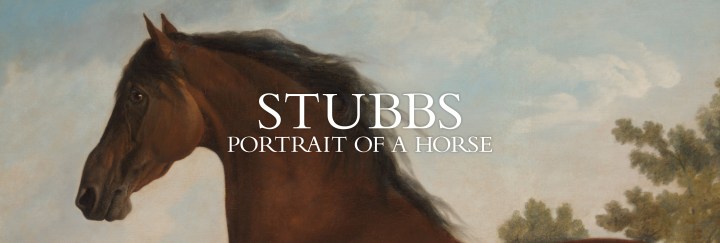
George Stubbs, Scrub, a Bay Horse Belonging to the Marquess of Rockingham, ca. 1762 (Private Collection).
◊ ◊ ◊ ◊ ◊
On view this spring at the National Gallery:
Stubbs: Portrait of a Horse
National Gallery, London, 12 March — 31 May 2026
Step into the world of George Stubbs, the visionary British painter, and marvel at his monumental portrait of a rearing racehorse, Scrub.
In the 1750s, Stubbs spent eighteen months in a remote barn in Horkstow, Lincolnshire. Hidden away, he devoted his time to studying and drawing the anatomy of horses. What resulted was the most thorough study on the subject for almost a hundred years. Incredibly, Stubbs’s pictures of horses are still some of the most accurate ever painted, all while capturing their unique characters.
In this exhibition, viewers will meet one of these horses, Scrub, painted around 1762. Scrub rears in a landscape backdrop—notably without a rider. In a nearby room hangs another monumental horse painting by Stubbs, a depiction of Scrub’s now famous contemporary, Whistlejacket. Painted around the same time, these would be the first life-size portraits to depict horses without a rider in British history. The two paintings changed the spirit of equine art forever. Stubbs: Portrait of a Horse focuses on the creation of this portrait of Scrub, while presenting other paintings and drawings by the artist. Join us for a closer look at this groundbreaking work.
New Book | The Anatomy of the Horse
The paperback edition appeared in 2024; the hardback is scheduled for publication in April:
George Stubbs, The Anatomy of the Horse (London: Pallas Athene, 2024), 76 pages, ISBN: 978-1843682479 (paperback) / ISBN: 978-1843682486 (hardback), $30. With essays by Constance-Anne Parker and Oliver Kase.
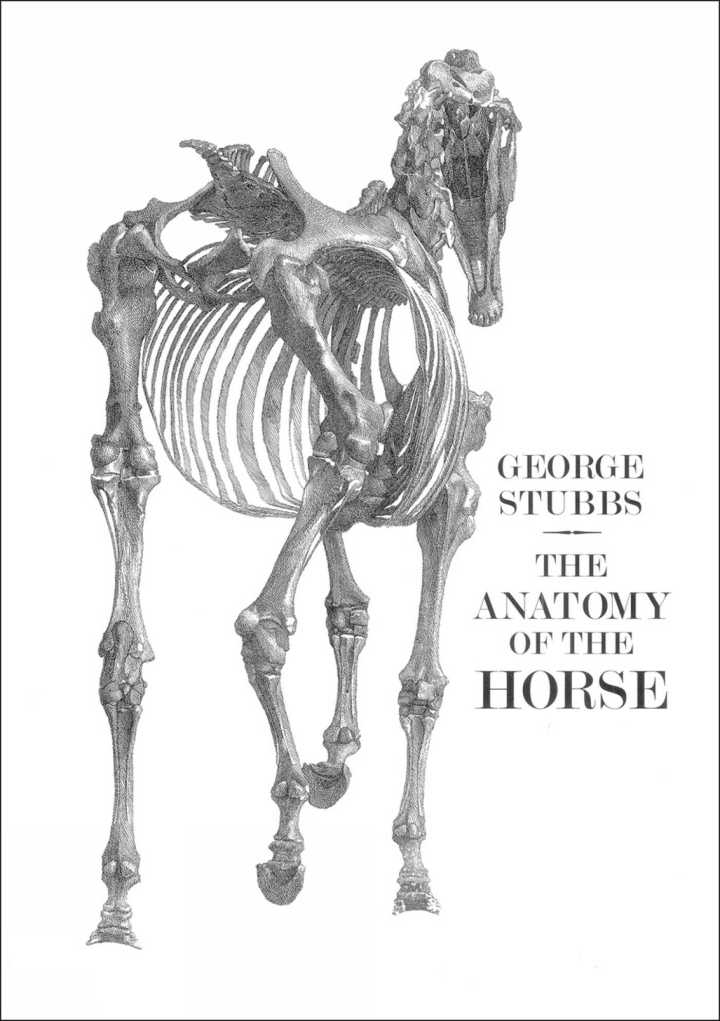 George Stubbs (1724–1806) was one of the most original artists Britain has produced, and it is easy to forget how much his success was based on rigorous scientific observation. In 1756 he rented a farmhouse where he erected scaffolding to hold the cadavers of horses as he dissected and drew. After eighteen months, Stubbs produced the drawings for The Anatomy of the Horse, which he later etched. The result was sensational. Scientists from all over Europe sent their congratulations, amazed at the perfection of the work. The Anatomy remained a textbook for artists and scientists for over a century, and its strange, spare beauty continues to fascinate. This edition is taken from the 1853 printing, the last to use Stubbs’s original plates. The artist’s full commentary is included for the veterinarially minded. Essays by Constance-Anne Parker and Oliver Kase place Stubbs’s work in the context of his life and times, and of 18th-century medical science.
Constance-Anne Parker (1921–2016), a distinguished sculptor and painter, was the Librarian and Archivist of the Royal Academy, where she also lectured. She was the author of Mr. Stubbs, the Horse Painter (1971) and George Stubbs: Art, Animals, and Anatomy (1984).
Oliver Kase is Director of Collections at the Pinakothek der Moderne in Munich where he oversees the Max Beckmann Archive. In 2011–12 he was assistant curator for The Art of Enlightenment, a major international exhibition organized between Germany and China. He lectures at the Ludwig-Maximilians-Universität München and is the author of numerous publications on the art of the 18th to 21st centuries.
New Book | Animal Modernities
From Leuven University Press, with distribution by Cornell UP:
Daniel Harkett and Katie Hornstein, eds., Animal Modernities: Images, Objects, Histories (Leuven: Leuven University Press, 2025), 320 pages, ISBN: 978-9462704589, €60 / $69.
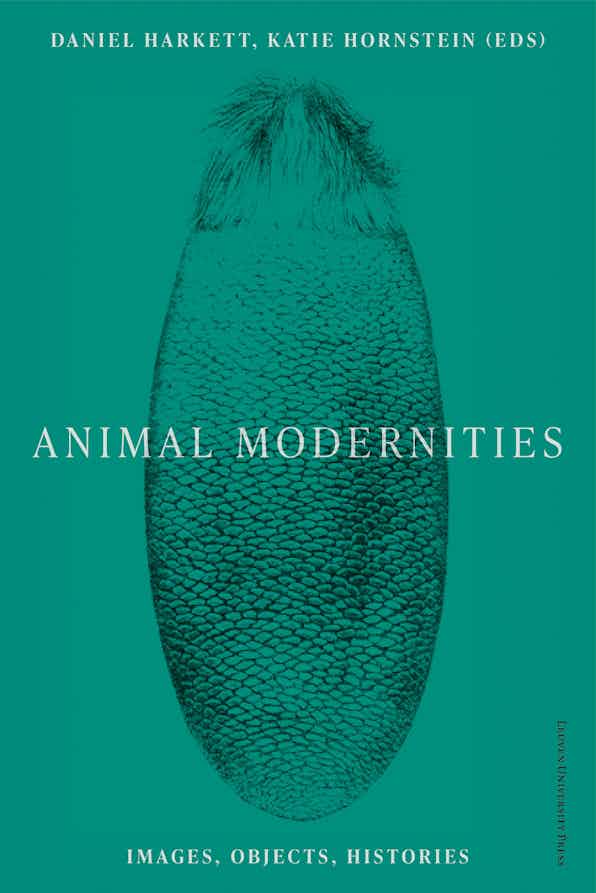 Animal Modernities challenges the traditional human-centered focus of art history and explores how modern art, visual culture, and modernity itself emerge from relationships between humans and animals. The essays in this volume reveal histories of exploitation and domination, as well as confusion and ambivalence, and occasional moments when affinities between humans and animals have been embraced, and animal agency asserted and acknowledged. The authors collectively point to the importance of thinking about animal–human relations for addressing today’s ecological challenges.
This book will be made open access within three years of publication thanks to Path to Open, a program developed in partnership between JSTOR, the American Council of Learned Societies (ACLS), University of Michigan Press, and The University of North Carolina Press to bring about equitable access and impact for the entire scholarly community, including authors, researchers, libraries, and university presses around the world. Learn more here.
Daniel Harkett is associate professor in the Department of Art at Colby College.
Katie Hornstein is professor in the Department of Art History at Dartmouth College.
c o n t e n t s
List of Illustrations
Acknowledgments
Introduction — Daniel Harkett and Katie Hornstein
1 Rethinking the Animal in Art History: Charles Darwin, Karl Woermann, and the Bowerbird — Nina Amstutz
2 Photography Needs Animals: Materials, Processes, and the Colonial Supply Chains of Gelatine Dry Plates — Rosalind Hayes
3 Shooting Elephants and the Performance of Imperial Power — Niharika Dinkar
4 A Tale of Two Serpents — Laura Nüffer
5 Mourning across Species: Ivory Miniatures and Elephant Death — Katherine Fein
6 War Horses, Commemoration, and Mutilation: Copenhagen (1808–1836) and Marengo (ca. 1793–1831) — Katie Hornstein
7 To Fool a Fish: Exploring Interspecies Aesthetics in Nineteenth-Century Fly-Fishing — Emily Gephart
8 Feline Creativity on the Eve of Modernity — Amy Freund and Michael Yonan
9 The Bird that Cuts the Airy Way: William Blake’s Avian Modernity — Alysia Garrison
10 Bovine Ubiquity — Maura Coughlin
11 Against the Visual: Seals, Indigenous-Settler Relations, and the Material Culture of Sealing since 1697 — Catherine Girard
12 Mr. Crowley’s Signature: Race, Resistance, and the Queerness of American Animal Portraiture — Annie Ronan
13 Memory and Materiality: Commemorating Canine Companions in Eighteenth-Century Britain — Sean Weiss
14 Herd Mentality: Animal Relationality and QueerKinships in the Life and Work of Anton Braith — Stephanie Triplett
Selected Bibliography
Contributors
Index
Call for Papers | Love’s Matter: The Material Culture and Art of Affection
From the Call for Papers:
Love’s Matter: The Material Culture and Art of Affection, 1700–1900
9th Edition of the Entretiens de la Fondation Maison Borel
University of Neuchâtel and Maison Borel, Switzerland, 12–13 November 2026
Organized by Henriette Marsden and Lara Pitteloud
Proposals due by 20 March 2026
International Workshop for PhD Students and Early Career Researchers
From the early 18th century onwards, the material qualities of love were explored as a cultural technique and an artistic practice transformed by the onset of modernity. Young lovers courted their sweethearts by sending mass-produced valentine cards, friends filled each other’s albums with carte de visite photographs and industrially made paper scraps, husbands romanced their wives through the gifting of colonial luxuries, and sisters used embroidery patterns circulated through the periodical press to stitch presents with and for one another. Evidently, love, as a practice of affection between family members, romantic partners and friends, became deeply embroiled in the material conditions of global trade, colonial expansion, nation-building, and the advance of industrialised commerce.
This workshop will explore how the affective properties of love shaped and were shaped by the material conditions of modernity from the early 18th to the end of the 19th century. It takes as a starting point the claim that modernity is characterised by a shift away from older understandings of transcendental love and toward a notion of love that is qualified by immanent, sensorial, and interpersonal experiences (Hanley, 4–5). Building on the conceptual framework of the “co-constitutive nature of things and emotions,” as demonstrated in recent scholarship (Downes/Holloway/Randles, 9), we invite doctoral and postdoctoral researchers to examine not only the use of objects and artworks in the performance of love but also how their materiality (size, shape, material construction, other sensorial qualities) impacted the experience of love. By investigating how love’s affective potential was navigated in the particular aesthetic constitution of objects, this workshop will explore different facets of love, such as the feeling of romantic desire, a wish for amicable companionship, a charitable responsibility, etc.
We invite papers by doctoral students and early career researchers that examine this diversity of love in the breadth of its aesthetic functioning as material culture, as art, and as cultural performance. The workshop also encourages comparative and cross-cultural perspectives, looking beyond Western Europe to consider how love was materially performed in the modern contexts of empire, global trade, and colonialism. The workshop is committed to fostering an open discussion between researchers at any stage of their project. We welcome submissions for papers covering both early-stage work and substantive original research on the art and material culture of love, as well as theoretical and methodological discussions problematising the state of love studies within art history.
Topics might include, but are not confined to
• personal gifts as expressions of hetero- and homo-romantic, familial, and amicable love
• material culture of heartbreak, loss, and/or separation
• commercialisation of love tokens; affection and consumer culture
• collaborative artistic production amongst friends
• material bonds between parents and children
• sexual self-identification and pictorial self-representation
• art as an affective instrument for nation-building and colonial expansion
• materiality of divine love in ecclesiastical, missionary, and charitable contexts
The workshop is organised in the context of the 9th edition of the Entretiens de la Fondation Maison Borel, held by the Institute of Art History and Museology at the University of Neuchâtel. These study days aim to foster the exchange of ideas and perspectives on methodological issues across the various disciplines of the Humanities and Social Sciences. As in previous editions, the workshop will take place in the historic 17th-century Maison Borel near Neuchâtel (Auvernier), a setting that offers an informal yet stimulating environment for scholarly exchange. The workshop may result in a publication. Accommodation, and, where possible, full coverage of travel costs will be provided by the organisers.
Please send a 300-word abstract, in English for 20-minute presentations, as well as a 100-word CV to Henriette Marsden (hm772@cam.ac.uk) and Lara Pitteloud (lara.pitteloud@unine.ch) by 20 March 2026. We look forward to reading your proposals.
–Henriette Marsden (University of Cambridge) and Lara Pitteloud (University of Neuchâtel)
s e l e c t i v e b i b l i o g r a p h y
Barclay, Katie and Sally Holloway, eds. A Cultural History of Love in the Age of Enlightenment. Bloomsbury Academic, 2025.
Dolan, Alice and Sally Holloway. “Emotional Textiles: An Introduction.” Textile: Cloth and Culture 14.2 (2016): 152–59.
Downes, Stephanie, Sally Holloway, and Sarah Randles, eds. Feelings Things: Objects and Emotions through History. Oxford University Press, 2018.
Hanley, Ryan Patrick, ed. Love: A History. Oxford University Press, 2024.
Holloway Sally, ed. The Game of Love in Georgian England: Courtship, Emotions, and Material Culture. Oxford University Press, 2019.
Labanyi, Jo. “Doing Things: Emotion, Affect, and Materiality.” Journal of Spanish Cultural Studies 11 (2010): 223–44.
Lipsett-Rivera, Sonya. A Cultural History of Love in the Age of Empire. Bloomsbury Academic, 2025.
Moran, Anna and Sorcha O’Brien, eds. Love Objects: Emotion, Design, and Material Culture. Bloomsbury, 2014.
Pellegry, Florence, Sandra Saayman, and Françoise Sylvos, eds. Gages d’affection, culture matérielle et domaine de l’intime dans les sociétés d’Europe et de l’océan Indien. Presses Universitaires
Indianocéaniques, 2020.
Staremberg, Nicole, ed. Et plus si affinités … Amour et sexualité au XVIIIe siècle. Musée national suisse, Antipodes, 2020.
Sheer, Monique, “Are Emotions a Kind of Practice (and Is That What Makes Them Have a History)? A Bourdieuian Approach to Understanding Emotion.” History and Theory 51 (2010): 193–220.










 Enfilade
leave a comment