Exhibition | Portraits, from Botticelli to Lempicka
From the press release for the exhibition opening this fall at the Staatliche Museen zu Berlin:
Portraits! Surprising Encounters from Botticelli to Lempicka
Gemäldegalerie, Berlin, 16 October 2026 — 14 March 2027
Curated by Sven Jakstat and Stephan Kemperdick, with Marie-Luise Hugler
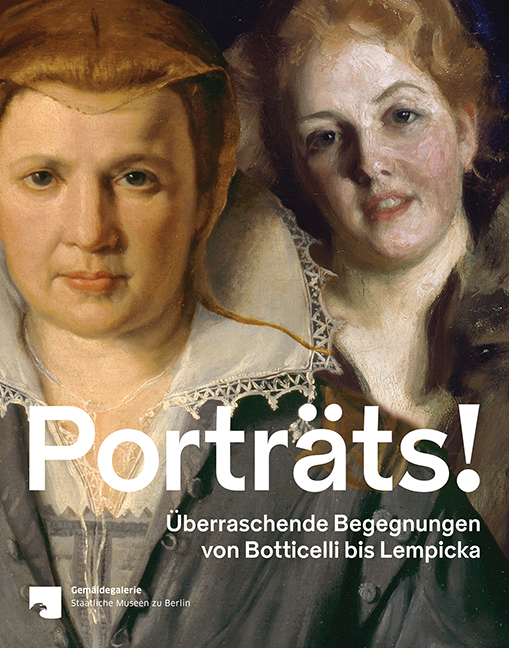 How do we see ourselves—and how have people in different historical periods wished to be seen? The special exhibition Portraits! Surprising Encounters from Botticelli to Lempicka at the Gemäldegalerie (Old Master Paintings) of the Staatliche Museen zu Berlin, invites viewers on a fascinating journey through the history of portraiture. Unusual juxtapositions of works spanning five centuries reveal striking similarities, bringing the pieces to life and providing opportunities to reflect on the presentation of the self and others, as well as on staging, roles, and character. Masterpieces by artists such as Botticelli and Lempicka, Mino da Fiesole and Rogier van der Weyden, Dürer and Giorgione, or Rubens and Gainsborough are brought into conversation with one another, revealing striking and often surprising affinities. Works that have never ‘met’ before come together for the first time, offering a fresh perspective on themes such as identity, beauty, status and power.
Portraits reveal more than just people’s outward appearance. They also reveal details about self-awareness, character, emotion and staged representation. Clothing, posture, and accessories act as codes for social, political and gender affiliation. By comparing portraits from different regions and eras, visitors can recognise, trace, and understand artistic decisions and visual strategies: What was considered beautiful, dignified or worthy of authority? How did these ideals evolve over the centuries? The exhibition reveals the variety of these responses, while also highlighting the surprising connections between them.
The exhibition’s starting point is the outstanding international collection of portraits at the Gemäldegalerie, which is complemented by a selection of loans from other museums of the Staatliche Museen zu Berlin, including the Alte Nationalgalerie (Old National Gallery) and the Neue Nationalgalerie (New National Gallery), the Ägyptisches Museum (Egyptian Museum) and the Skulpturensammlung (Sculpture Collection). It presents a multifaceted panorama of portraiture from the 15th to the 20th centuries. Around 90 masterpieces by artists such as Petrus Christus, Mino da Fiesole, Botticelli, Giorgione, Dürer, Cranach the Elder, Holbein the Younger, Titian, Sofonisba Anguissola, Rembrandt, Zurbarán, Anna Dorothea Therbusch, and Tamara de Lempicka encompass a wide variety of portraiture’s diverse aspects, ranging from glorious portraits of rulers to intimate scenes of friendship and proud self-proclamations. Each encounter tells its own story and invites wonder, comparison and discovery.
◊ ◊ ◊ ◊ ◊
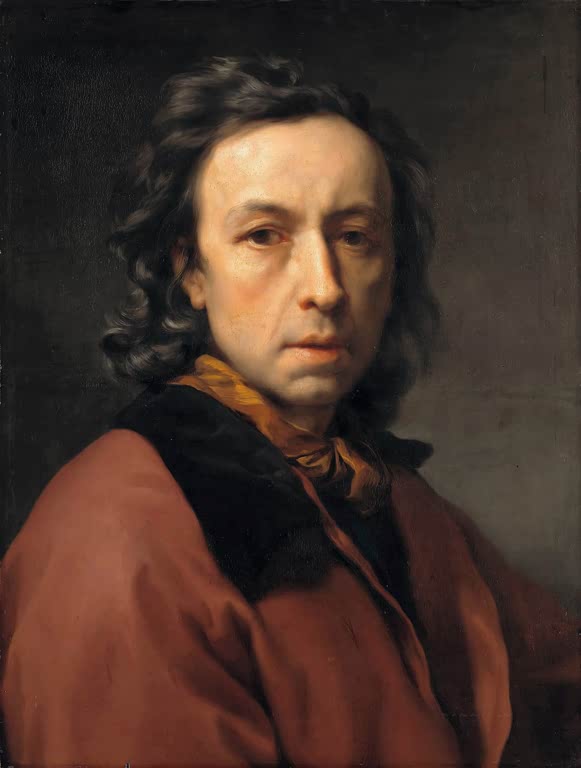
Anton Raphael Mengs, Self-Portrait, 1779 (Berlin: Staatliche Museen).
Various forms and functions of portraits are examined in the four sections of the exhibition. The prologue highlights the astonishing constancy of mimetic portrait art, which has spanned many centuries, and also sheds light on the genre’s roots in Europe.
Portrait Types North and South of the Alps
The first section of the exhibition explorse the development of portraiture in Italy and the North during the Renaissance. Various prototypes emerged, such as the northern three-quarter profile used by Rogier van der Weyden and the strict profile preferred by Filippo Lippi. Differing tendencies towards naturalism and idealisation soon mingled and influenced the development of portrait painting in the following centuries.
Self-Representation of the Elite
Portraits were a powerful means of social representation and distinction. The clothing, poses, and size of a work all revealed the aspirations and status of the person depicted. Anthonis Mor’s prestigious, knee-length portrait of the Duchess Margaret of Parma, with her regal gaze, is on a par with Giambattista Moroni’s portrait of the nobleman Don Gabriel de la Cueva.
Family, Friendship, and Intimacy
On the one hand, the section on family, friendship and intimacy is dedicated to the private aspects of portraiture. Relatives, close friends, and loved ones are captured in images that serve as personal mementos. Sofonisba Anguissola’s mother, Bianca, engages with her daughter while she paints, in a manner that is similar to how the wife of the painter Eugen Spiro looked at her husband 380 years later. Portraits of the deceased offer a final glimpse of them.
Portraits of Art Collectors and Artists
The final section of the exhibition focuses on portraits of art collectors and artists. For centuries, self-portraits have not only served as a means of self-exploration, but also as a way of positioning oneself and one’s work within traditional contexts. Therbusch portrays herself as an intellectual, while Poussin and Anton Raphael Mengs use their self-portraits to reflect on their lives and artistic fame.
◊ ◊ ◊ ◊ ◊
Portraits is not just an art historical exhibition; it also reflects our current image-obsessed world. In the age of selfies and social media:how do we construct our identity? How do we read faces? And what does our view reveal about ourselves? The reflection of masterworks from the past provides the perfect opportunity to study and understand these current questions.
The exhibition is curated by Sven Jakstat and Stephan Kemperdick, with assistance from Marie-Luise Hugler. A richly illustrated catalogue provides an in-depth exploration of the works and their relationships with each other.
Porträts! Überraschende Begegnungen von Botticelli bis Lempicka (Petersberg: Michael Imhof-Verlag, 2026), 256 pages, ISBN: 978-3731915980, €49.










leave a comment