Exhibition | John Constable: The Landscape Reimagined
Now on view at the YCBA:
John Constable: The Landscape Reimagined
Yale Center for British Art, New Haven, 3 September 2026 — 25 July 2027
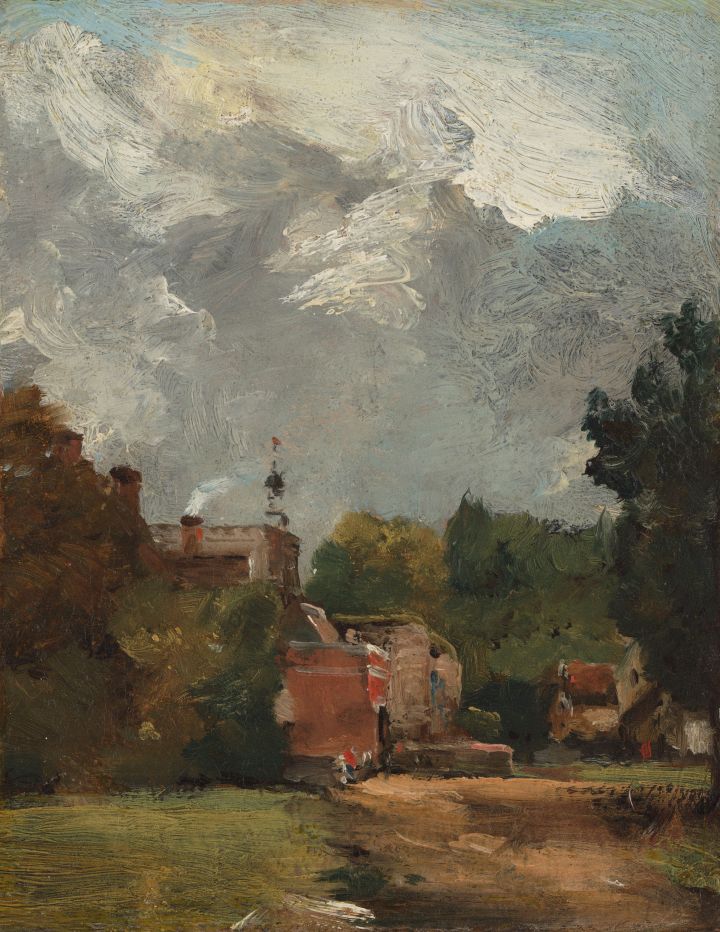
John Constable, East Bergholt Church, 1809, oil on paper mounted to panel, 20 × 16 cm (New Haven: Yale Center for British Art, Paul Mellon Collection, B2001.2.237).
John Constable: The Landscape Reimagined explores Constable’s bold, innovative open-air paintings, which radically transformed the trajectory of European landscape painting. Working against the ‘picturesque’ tradition, in which long-established conventions governed what landscape painting should look like, Constable made the skies, light, seasons, and atmosphere the central subjects of his art. Created outdoors and rooted in the direct observation of nature, his iconic pictures of the English landscape have shaped the image of Britain in the popular imagination.
As the only major US exhibition to focus on the seminal British painter on the 250th anniversary of his birth, John Constable: The Landscape Reimagined offers a unique opportunity for American audiences to experience the breadth of the artist’s masterpieces. Bringing together a rich selection of Constable’s great works, the exhibition includes his remarkable cloud studies and plein air sketches alongside two of his ‘six-footers’, including Hadleigh Castle, one of the most iconic works of English landscape painting. The exhibition also presents works that have never before been publicly displayed in the US, among them a study of Hampstead Heath that was recently acquired by the YCBA.
These works are shown alongside engravings and drawings that illuminate the remarkable breadth of Constable’s achievement as a painter, printmaker, and draftsman. Seen together, they reveal how his creative process developed across different media and offer a fuller understanding of an artist who profoundly influenced subsequent generations of painters. The exhibition also includes key pieces by Constable’s contemporaries, such as John Linnell and Richard Parkes Bonington, that reveal the broader artistic context in which he worked. Through his direct engagement with the natural world, Constable established landscape painting as a serious and significant pursuit for artists.
◊ ◊ ◊ ◊ ◊
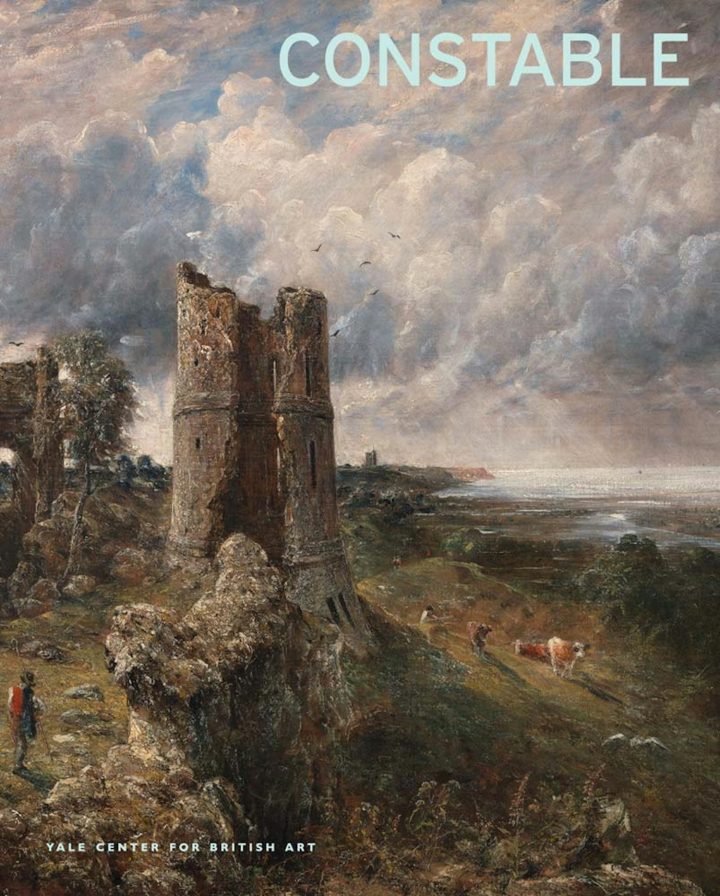 The landscape paintings of John Constable (1776–1837) are among the most iconic images in British art, transforming the genre of landscape painting. Born in Suffolk, England, the son of a corn and coal merchant and a farmer, Constable took up painting as a youth and entered the Royal Academy Schools in London in 1799 to study as a painter. As an adult, he moved from London to Hampstead, which would provide the inspiration for his most acclaimed works. Constable’s astonishing capacity to reproduce not only the appearance but also the feeling of nature in paint brought the landscape radically to life, and his commitment to painting ‘on the spot’ was part of a broader artistic approach that would profoundly influence subsequent generations of landscape painters—and shape how the English landscape is imagined and represented to this day.
Tim Barringer, with contributions by Nicholas Robbins, Constable (New Haven: Yale University Press, 2026), 128 pages, ISBN: 978-0300284669, $40.










leave a comment