Call for Papers | Animaterialities
From ArtHist.net:
Animaterialities: The Material Culture of Animals (including Humans)
Sixteenth Material Culture Symposium for Emerging Scholars
University of Delaware, 24–25 April 2010
Proposals due by 5 December 2019
The Center for Material Culture Studies at the University of Delaware invites submissions for graduate student papers that examine the relationship between material culture and animal studies for its biennial Emerging Scholars Symposium (April 24–25, 2020). This symposium merges the interdisciplinary study of animals—and the related critical conversations surrounding animality, species, agency, objectivity, and subjectivity—with material culture studies.
Five years after the Audubon Society’s startling Birds and Climate Change Report, we continue to hear about the prices non-human animals pay for human choices: extinction, loss of habitat, and poisoned food sources. The present moment begs, more than ever, critical questions about the intersections between the material world and the (fellow) animals with whom we share it. We thus propose the theme ‘animaterialities’, a term which acknowledges the constant presence of other-than-human animals as physical bodies entangled in various anthropocentric systems, whether political, economic or cultural. Animaterialities encourages participants to consider animals not as passive forms of matter for human use, but as active beings capable of resilience in the face of humans’ material domination and exploitation. Finally, it recognizes the necessary turn material culture studies must take when applied to other-than-human animals, as opposed to artificial, vegetal, or mineral subjects/materials.
Generative questions might include:
• How do material objects define or challenge the boundaries between humans, animals, and objects?
• How are animals transformed into material forms?
• How are animals made visible or invisible in the built environment, text, image, material goods, the archive, and the museum?
• How do animal materialities cut across, complicate, and generate global, hemispheric, and imperial worlds?
• How can we re-conceptualize materialities and animalities as active agents in their worlds, rather than passive participants?
Contributions to this theme may take, but are not limited to, the following forms:
• The production and conservation of animal materials
• Materials that imitate animals
• Animals as objects, the “thingness” of animals, and defying objective treatment
• The materialities of animal labor
• Experimentation with animals and animal materials
• Animal classification, collecting, and display
• Material culture of living history farms, zoos and zoological gardens, and preserves
• Visual culture and representation of animal materials
• The social life of animals
• The material aspects of animal abuse
Submissions: Proposals by current graduate students and recent graduates (May 2019 or later) should be no more than 250 words. Up to two relevant images are welcome. Send your proposal and a current c.v. (two pages or fewer) to emergingscholars2020@udel.edu.
Deadline: Proposals must be received by December 5th, 2019. Speakers will be notified of the committee’s decision by the end of January 2020. Confirmed speakers will be asked to provide digital images for use in publicity and are required to submit their final papers and presentations/slide decks ahead of the conference. Travel grants will be available for participants.
Call for Papers | ‘Dark Enlightenments’

From the conference website:
‘Dark Enlightenments’: David Nichol Smith Seminar in Eighteenth-Century Studies XVII
Adelaide, Australia, 2–4 December 2020
Early proposals due by 1 November 2019; regular proposals due by 1 March 2020
The Australian and New Zealand Society for Eighteenth-Century Studies (ANZSECS), Flinders University, and the University of Adelaide invite you to the 17th David Nichol Smith (DNS) Seminar for Eighteenth-Century Studies. Inaugurated in 1966 by the National Library of Australia, the DNS is the leading forum for eighteenth-century studies in Australasia. It brings together scholars from across the region and internationally who work on the long eighteenth century in a range of disciplines, including history, literature, art and architectural history, philosophy, theology, the history of science, musicology, anthropology, archaeology, and studies of material culture.
The theme for this conference is ‘Dark Enlightenments.’ We ask delegates to consider the dark, shadowy aspects of enlightenment processes of the eighteenth century. When broadly conceived, the theme is open to numerous up-to-the-minute, interdisciplinary possibilities, including (for example):
• the dark side of the public sphere, such as expressed in satire and polemic
• Empire and enlightenment
• critiques of empathy and humanitarianism
• negative emotions
• crime, conflict and violence
• the use and abuse of the past
• progress and ethics (political, social, scientific)
• war
• romanticising death
• the Gothic
• the numinous eighteenth century
• the transformation of night-time
• developments in notions of privacy, secrecy and the hidden self
• the ‘shady’ moralities of libertinism
• the aesthetics of darkness and light
This, we believe, is a particularly timely theme, partly owing to the nationalist turn in global politics, and the recent controversy stirred in Australia by the proposed Ramsay Centre for Western Civilisation. It offers both sides of the political spectrum the opportunity to interrogate and fully understand the costs, benefits, and legacies of eighteenth-century ‘progress’. It is also a theme designed to emphasise the Enlightenment in its moral complexity and richness, and the wide range of domains (from the everyday to philosophical thought) that contributed to its production.
We also welcome papers for subjects that fall outside the main conference theme. Proposals for 20-minute papers should consist of a title, 250-word abstract, and short bio sent via email as a pdf attachment to DNS2020@flinders.edu.au. We also accept proposal for panels of three papers, which should include all the above for each presenter, a panel title, and if possible, the name and short bio of the panel chair.
Deadlines for submissions
For early deliberation: 1 November 2019. A first round of acceptances will be made shortly after this date to facilitate international attendance.
Final deadline: 1 March 2020
Keynotes
Associate Professor Kate Fullager (Macquarie)
Professor Sasha Handley (Manchester)
Associate Professor Eugenia Zuroski (McMaster)
◊ ◊ ◊ ◊ ◊
Attention Early Career Researchers!
Aspiring to deliver a keynote lecture at a major international conference? Here’s your chance! We’d like to invite early career researchers to propose a keynote lecture addressing the conference theme. This scheme is open to all topics and areas of expertise in literary/humanities studies broadly defined, and to researchers who are in regular university employment as well as those who are not. Applicants must:
• have an outstanding research track record relative to opportunity;
• be within 5 years after award of the PhD (extended to 7 if not in stable university employment or with a significant career interruption).
To apply, please submit a proposed title, 300–400 word abstract, a bio, and a CV (3 pages max) to DNS2020@flinders.edu.au.
In making a selection diversity and the presence of under-represented groups will be recognised, as well as the spectrum of existing keynotes at the conference. We also reserve the right to seek third-party testimony as to the researcher’s capacity to speak and deliver scholarly presentations. The winner will deliver the proposed keynote lecture, with flights, accommodation, and registration covered. The deadline for early career researcher keynote proposals is 1 November 2019.
Call for Papers | Sensory Experience in 18th-Century Art Exhibitions
From ArtHist.net:
Sensory Experience in 18th-Century Art Exhibitions / L’expérience sensorielle dans les expositions d’art au XVIIIe siècle
Musée du Louvre, Paris, Autumn 2020; Louvre-Lens Museum, Spring 2021
Proposals due by 15 December 2019
Throughout the 18th century, the exhibitions of the Royal Academy of Painting in Paris—by setting the horizon of expectation—have created a habitus among European visitors and especially Parisians. Moreover, they have aroused the curiosity and the desire of the French public and of other nations who where inspired by the Salon. During this period, the Salon du Louvre became a highly popular event, where crowds gathered to see, be seen and to learn. Hence, the Salon embodied without any doubt the image of the Parisian social theatre and thus also indirectly that of the pleasure of the senses for educated European audiences. In other words, visiting the Salon or any other art exhibition in the 18th century, where the desire to be entertained and to learn was intertwined, presented itself as an experience in which the various senses were invoked and stimulated. The notion of a ‘sensory body’ becomes relevant: not only sight, but also the senses of hearing, taste, touch, and smell were interpolated in a varied and complex manner at various moments during the visit.
The conference will focus on the sensations that visitors felt during their experience of art exhibitions. The latter are to be understood in their broadest sense during the long 18th century (1665–1815). The starting point is the moment when the Salon du Louvre became the role model for a growing number of temporary exhibitions, in Paris and in French provinces, at the Royal Academy in London, and, more broadly in Europe. All other spaces of sociability where works of art were subjected to the critical gaze of the public must be taken into account: galleries and private art collections, royal collections, temporary exhibitions, auction rooms, museums… In the context of research about the history of sensibilities and senses, this conference thus aims at defining the new perceptions that flourish in the Age of Enlightenment by questioning the sensory experience and the constitution of the sensory body in the specific context of exhibition spaces.
The understanding of this sensory body in its entirety implicates numerous elements that play an essential role in its constitution. Given the richness of the topic related to the sensory experience in 18th-century art exhibitions, the conference will be divided into two sessions that will take place a few months apart, and in two different locations.
Session 1
The Experience of the Visit: From Spectator to Critic
This first session focuses on the sensory experience of the public when visiting an exhibition – whether it is a collection, a museum, or a temporary presentation of works of art. While 18th century art exhibitions in Europe contributed to urban identity, they also helped to define the identity of the larger public, as well as the single spectator, and the critic. It will be a question of capturing these actors, their visits to exhibitions, their sensory impressions, and the emergence of feelings as they developed along an exhibition tour, likewise further encounters with other visitors, with the spatial context and display of art. In order to encourage comparative research, we call for proposals on various exhibition spaces in various European cities, relating to the following two axes:
• The public, an individual or a group of individuals visiting the exhibition, engaged in the activity and experiences emotional, sensory and physical effects during the whole visit of the exhibition. The presence of other visitors, this more or less colourful crowd that implied a perpetual body interaction, as well as the view of the exhibition played a central role on the senses, the sensitivity and the body of each visitor. Within this audience, the writers that appear at the time of the exhibitions related these experiences to their readers, qualifying and theorizing them. Art criticism is thus no longer simply a primary source for art history, the history of the senses, and questions of reception, but becomes also a research subject by itself. How, in other words, did the sensations, emotions and feelings experienced by critics stimulate and transform art criticism itself? The reality and the sensory experience of the visitor are not necessarily the same in Paris as elsewhere in Europe: Hence, we would like to discover and understand these differences and similarities.
• The space and the exhibition, meaning the immediate environment, the exhibition design, but also the geographical territory with which the individual and its senses are engaged, play a central role in the experience of the spectator’s sensory body. By providing stimuli, they cause sensations and an intense and specific cognitive activity. What kind of effects did the dimensions of the room(s), the movements of the body in the space, the encounter with the art and the exhibition design, the lighting as well as the symbolic aspects of the space have on visitors’ sensory experiences, both in their expectation and during the visit of the exhibition? We will therefore focus on the different affects and effects that this experience catalyzed for each of the senses, sensations, and emotions that inhabited the spectator during and beyond the visit. An experience that is constituting an important part of the horizon of expectation for exhibitions. We can ask ourselves about the different approaches to installation and hanging, but also about the extent to which these approaches had an impact on visitors’ sensations, their perceptions, and their feelings, whatever nature they are, and on the evolution and constitution of their sensibility, of their sensitive body. What role do the symbolic and physical aspects of space play in this experience? How are these effects translated through the written word?
Session 2
The Experience of the Work of Art: From Emotion to Sensation
The second session is intended to invite reflection on the representation of emotions and human sensorium as well as on the reception of these elements when works of art were exhibited publicly in 18th-century Europe. The objective is to study how artists express their perception of the sensitive and the sensory, and how the spectator’s senses react while looking at the works. We will take into account all aspects of the Fine Arts (painting, sculpture, drawing, engraving) and consider also different genres (history, portrait, genre scene, landscape, still life). For this session, we call for proposals around two axes:
• The works, these modes of representation of feelings and the sensory, evoke the sensitivity of the artist as well as that of the human being in general. According to what theoretical and practical criteria did artists translate the spectrum of emotions, but also that of sensory perceptions through the represented body, its gestures, its personality traits or its staging? We are obviously thinking of the rules governing the representation of passions such as those of the ‘ut pictura poesis’, but especially of the attempts to renew them during the 18th century. It is not only a question of revisiting the interactions between theatrical staging and pictorial composition, but also of exploring all the components of mimesis, that is common to the Fine Arts and the performing arts, in order to reinforce the sensory and sensitive delight of art: expression, gestures, costume, decor, colour.
• The senses, (inter)linked with the organs of perception (sight, taste, hearing, smell and touch), are defined by and react to the contact with context, the exhibition as a whole, other individuals, and specific works of art. We would like to understand how the spectator’s senses apprehend, perceive—or even feel—the encounter with a particular work or with the ensemble of works. According to which criteria does sensory perception stop at the level of analysis and reasoning? When and how does this experience lead to a true reaction, whether it is sensitive, sensory or physical? We know that in the 18th century, the research on perception and cognition led to numerous publications on sensualist philosophy, physiology and physiognomy. How did artists consider these new contributions to the history of medicine, science and technology, and how did they translate them within their works? This axis will explore the boundaries between the experience of each of the senses and the relationships that emerge between them in order to get an overall picture of all the sensations and feelings provoked by specific works, particularly by those representing feelings, emotions and allusions to the senses. In this axis, priority will be given to proposals based on sources from various fields (history, literature, philosophy, but also science and medicine) in order to renew the reflection on the phenomenon of exhibitions.
Schedule
Proposals for original contributions in English or French (title and abstract of up to 300 words and short CV of up to 250 words) should be sent by 15 December 2019 to corps.sensoriel@gmail.com
Response from the Scientific Committee: January 2020
Conference dates: Autumn 2020 and Spring 2021
Selected papers will be published after the conference.
Scientific Committee
Markus A. Castor (German Center for Art History, Paris)
Guillaume Faroult (Louvre Museum, Painting Department)
Dorit Kluge (hwtk, Berlin)
Gaëtane Maës (Université de Lille, IRHiS)
Françoise Mardrus (Louvre Museum, Dominique-Vivant Denon Center, Research and Collection Director)
Isabelle Pichet (UQTR, Québec)
Luc Piralla (Louvre-Lens Museum)
Call for Papers | Durham Early Modern Conference 2020
From Durham:
Durham Early Modern Conference 2020
Durham, 8–10 July 2020
Submissions for panels and strands due by 11 November 2019
We welcome proposals for panels and strands from scholars interested in any aspect of the early modern period, ca. 1450 to 1800. The conference committee encourages panels that include papers from participants at a range of career stages. The deadline for submissions of panels and strands is Monday, 11 November 2019.
Panel Proposals should comprise at least three papers. The usual panel structure is three papers, each lasting 20 minutes, with thirty minutes dedicated to discussion (90 minutes in total). Panels may also consist of four papers, each lasting 15 minutes, with the whole session being delivered within the 90-minute slot.
Strand Proposals: The conference organisers strongly encourage the submission of proposals for strands that will run through the conference. These should generally comprise at least two and no more than five related panels.
Call for Papers | Seventh Feminist Art History Conference
From Amart-l (9 September 2019) . . .
The Seventh Feminist Art History Conference
American University, Washington, D.C., 25–27 September 2020
Proposals due by 1 December 2019
The Feminist Art History Conference was established in 2010 to celebrate and build on the legacy of feminist art-historical scholarship and pedagogy originated by Norma Broude and Mary D. Garrard at American University in Washington, D.C. In September 2020 this international conference will convene for the seventh time. The core principles of a feminist art history have long included the goals of reclaiming the place of women artists and patrons within the history of art and visual culture, and of describing and elaborating how gendered ideologies have framed the structure of both artistic practice and the writing of art history over the centuries. In recent years feminist art history has also become increasingly intersectional and interdisciplinary, dialoguing with race, class, geography, and environmental and architectural issues, to name but a few.
In the spirit of bringing together the diverse strands of thought and practice that feminist art history now embraces, this conference will feature papers spanning a wide range of chronological, geographic, intersectional, and interdisciplinary topics. These may include (but are not limited to) artists, movements, and works of art and architecture; cultural institutions and critical discourses; practices of collecting, patronage, and display; the gendering of objects, spaces, and media; the reception of images; and issues of power, agency, gender, and sexuality within visual and material cultures. At this year’s conference, underrepresented art-historical periods (ancient, medieval, Renaissance), cultures and traditions beyond the Western world, and issues of race and ethnicity are especially encouraged. We welcome submissions from established and emerging scholars of art history as well as advanced graduate students.
To be considered for participation, please provide a single document in Microsoft Word. It should consist of a one-page, single-spaced proposal of unpublished work up to 500 words for a 20-minute presentation, followed by a curriculum vitae of no more than two pages. Please name the document “[last name]-proposal” and submit with the subject line “[last name]-proposal” to feminist.ahconference@gmail.com.
Invitations to participate will be sent by 1 February 2020.
Keynote Speaker
Kellie Jones, Professor in Art History and Archaeology and the Institute for Research in Aftrian American Studies (IRAAS), Columbia University
Organizing Committee
Joanne Allen, Jordan Amirkhani, Juliet Bellow, Norma Broude, Kim Butler Wingfield, Nika Elder, Mary D. Garrard, Andrea Pearson, Ying-chen Peng and Anne Nellis Richter (coordinator)
Sponsored by the Art History Program in the Department of Art, College of Arts and Sciences, American University, with the generous support of Robin D’Alessandro and Dr. Jane Fortune
Call for Papers | Emblemata Baltica
From ArtHist.net (10 September 2019) . . .
Emblemata Baltica — Representing Human Nature in the Baltic: The Visual Culture of Emblems and Allegories in Northern Germany, Southern Sweden, and Denmark, 16th–18th Centuries
Hamburg, 13-14 November 2019
Organized by Iris Wenderholm and Isabella Augart
Proposals due by 20 September 2019
A new research network aims at exploring the role of emblem books and the visual culture of emblems and allegories in the formation of a joined transnational community of cultural ideas and norms in the western Baltic region throughout the 16th–18th century. Given its liminal status of connected (coastal) towns, The Baltic region is a particularly interesting research area concerning questions of transnational cultural norms. Commercial contacts and shared religious beliefs helped to foster vivid zones of exchange and resulted in a jointed visual culture. Exploring the visual culture of emblems and allegories from the perspective of political iconography, the network wants to highlight that moral and political norms were transregionally transmitted and transformed in various political contexts throughout the Early Modern age. Tracing the transformation of moral, ethical, theological and scientific knowledge in various connects and functions, the new transnational and interdisciplinary network will explore the formation of political and social norms through (multilingual) emblem books, Mirrors for Princes, and the visual culture of emblems and allegories. We invite proposals for papers (10/20 minutes) and a short CV to be sent to the organizers by September 20, 2019: iris.wenderholm@uni-hamburg.de.
Call for Papers | ASECS 2020, St. Louis
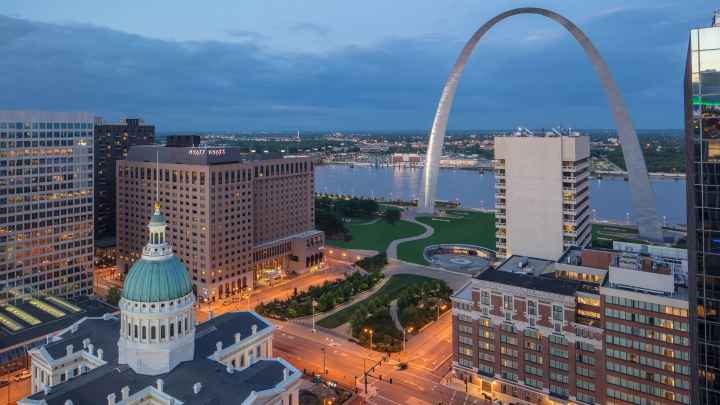
Just a reminder that that the due date for ASECS 2020 proposals is Sunday (15 September). Send them in!
2020 American Society for Eighteenth-Century Studies Conference
Hyatt Regency at the Arch, St. Louis, 19–21 March 2020
Proposals due by 15 September 2019
Proposals for papers to be presented at the 51st annual meeting of the American Society for Eighteenth-Century Studies, in St. Louis, are now being accepted. Along with our annual business meeting, HECAA will be represented with the Anne Schroder New Scholars’ Session, chaired by Susanna Caviglia. A selection of additional sessions that might be relevant for HECAA members is available here»
Call for Essays | Insect Studies in the Long Eighteenth Century
From the CFP:
Critical Insect Studies in the Long Eighteenth Century, 1660–1830
Edited by Beth Fowkes Tobin and Beth Kowaleski Wallace
Abstracts due by 1 December 2019; final essays will be due 1 August 2020
We are seeking abstracts for an interdisciplinary collection of critical essays exploring insects in the long eighteenth century.
First, we are especially interested in work that explores the place of insects in eighteenth-century life: while we acknowledge the destructive capacity of insects, we also aim to consider how insect activity may have been crucial to human purposes, perhaps in invisible or unrecognized ways. Second, if indeed insects have always been useful to human thinking, how were they deployed in various forms of eighteenth-century literature and philosophy? Third, how were insects represented visually and to what degree were modes of picturing insects entangled with insects as collectable objects, specimens, and commodities? Fourth, our collection will engage with the history of science, acknowledging and exploring important (if at times problematic) processes of insect classification and taxonomy that occurred largely during the second half of the eighteenth century.
Our ultimate goal is to rethink human kinship with tiny terrestrial creatures, both in the eighteenth-century and now. Thus, we especially welcome work that showcases new materialist approaches, as well as other methodologies rooted in the environmental humanities. We seek in the process to find a way to knit together humanistic and scientific perception into a unified understanding of the agentic capacity of all materiality.
We especially welcome essays that address non-European texts and insect/human entanglements as well as essays from a range of disciplines, including art history, literary studies, the history of science, environmental history, and museum studies. Contact us if you have any questions about the collection at: btobin@uga.edu and kowalesk@bc.edu.
Please submit proposals (no more than 500 words) and a brief cv by December 1, 2019. Final essays should run about 6,000–8,000 words in length and are due by August 1, 2020.
Call for Articles | Fall 2020 Issue of J18: 1720
From J18:
Journal18, Issue #10 (Fall 2020) — 1720
Proposals due by 21 September 2019; finished articles due by 1 April 2020
The year 1720 witnessed the world’s first international financial disaster, precipitated by the South Sea and Mississippi Bubbles. On the occasion of its upcoming tercentenary—and mindful of its relevance to our own contemporary experiences of financial collapse and instability—Journal18 is soliciting articles that reevaluate the importance and long-term cultural impact of 1720 as a watershed year. Though the 1720 economic crisis has long been recognized as gateway to the boom-and-bust cycles of the modern world, the field of art history has thus far contributed relatively little to our understanding of its significance. This issue takes part in the work of redressing this imbalance.
Throughout the eighteenth century, cultural as well as financial life remained permeated by the memory of the Mississippi and South Sea Bubbles: disasters that resulted when the bankrupted governments of France and England, respectively, sought to reverse their financial fortunes by trading their debt for equity in overseas trading corporations. While many artworks reflect the slave labor-based pursuit of tobacco, sugar, gold and other commodities that sustained the speculative frenzy, others more broadly register the enduring impact of a crash course in new financial products. Rather than simply representing the rise of a capitalist economy whose ascendancy may arguably be traced to 1720, how did eighteenth-century artworks variously frame, internalize, resist and embody the bubbles? More broadly, as Susan Buck-Morss has written, it was during the eighteenth-century Enlightenment that the category of ‘the economy’ was not only invented and naturalized but also given representation. In the long aftermath of 1720, what roles did art, architecture and material culture play in this process? From Dutch caricatures of the bubbles that continued to circulate decades after the crisis to French Revolutionary trompe l’oeil prints of discredited banknotes, period artworks attest to the long shadow of financial catastrophe.
We invite proposals for articles that explore artistic engagements with the bubbles and with eighteenth-century bubble economies more generally. Of particular interest are explorations of the colonial ambitions behind the 1720 enterprises. We also welcome proposals that examine other visual and material engagements with 1720 as a seminal year in the formation of an increasingly global political economy.
Issue Editors
Nina Dubin, University of Illinois at Chicago
Meredith Martin, NYU and Institute of Fine Arts, New York
Proposals for Issue #10 1720 are now being accepted. Deadline: September 21, 2019. To submit a proposal, send an abstract (250 words) and brief biography to editor@journal18.org and dubin@uic.edu. Articles should not exceed 6000 words (including footnotes) and will be due on April 1, 2020. For further details, see Information for Authors.
Call for Papers | ASECS 2020, St. Louis
From ASECS:
2020 American Society for Eighteenth-Century Studies Conference
Hyatt Regency at the Arch, St. Louis, 19–21 March 2020
Proposals due by 15 September 2019
Proposals for papers to be presented at the 51st annual meeting of the American Society for Eighteenth-Century Studies, in St. Louis, are now being accepted. Proposals should be sent directly to the session chairs no later than 15 September 2019. Along with our annual business meeting, HECAA will be represented with the Anne Schroder New Scholars’ Session, chaired by Susanna Caviglia. A selection of additional sessions that might be relevant for HECAA members is included below. A full list of panels is available as a PDF file here.
◊ ◊ ◊ ◊ ◊
Anne Schroder New Scholars Session [Historians of Eighteenth-Century Art and Architecture]
Susanna Caviglia (Duke University), susanna.caviglia@duke.edu
This is an open session for advanced graduate students and early career scholars in the art and architectural history of the eighteenth century.
◊ ◊ ◊ ◊ ◊
Presidential Session: Fostering Eighteenth-Century Studies in Unwelcoming Places (Roundtable)
Michael Yonan (University of Missouri), yonanm@missouri.edu
The contemporary American cultural landscape poses challenges to scholars of the eighteenth century. While our research engages with Enlightenment ideals, we often conduct it while living and working in places seemingly opposed to those ideals. Recent political developments in multiple states (including Missouri) promise to impact the future development of our field significantly. This roundtable offers a forum for discussing these concerns. How can scholars, especially younger scholars, negotiate the tricky world of contemporary politics as they pursue their scholarly agendas? Topics may include: accepting a job in a state whose political mainstream differs from one’s own; contemporary reproductive rights and eighteenth-century studies; queering the eighteenth century in queerphobic settings; ideological fundamentalism and eighteenth-century scholarship; eighteenth-century antecedents to the contemporary political climate; and other subjects.
◊ ◊ ◊ ◊ ◊
Innovative Course Design
ASECS, asecsoffice@gmail.com
ASECS invites proposals for a new course on eighteenth-century studies or a new unit (1–4 weeks of instruction) within a course. Proposals may address a specific theme, compare related works from different fields (music and history, art and theology), take an interdisciplinary approach to a social or historical event, or suggest new uses for instructional technology. The unit/course should either have never been taught or have been taught recently for the first time. Applicants should submit a 750–1500 word proposal that focuses sharply on the leading ideas distinguishing the unit/course. The proposal should indicate why particular texts and topics were selected and (if possible) how they worked; ideally, a syllabus will be provided. The competition is open to current members of ASECS. Up to three proposals will be selected for presentation during the Innovative Course Design session at the Annual Meeting; a $500 award will be presented to each of the participants, who also will be asked to submit an account of the unit/course, a syllabus, and supplementary materials for publication on the ASECS website.
◊ ◊ ◊ ◊ ◊
The Sister Arts in Eighteenth-Century Ireland [Irish Caucus]
Scott Breuninger (University of South Dakota), Scott.Breuninger@usd.edu
During the eighteenth century, the sister arts of painting and poetry in Ireland were often linked to notions of political or social authority. Working in a society divided by religion, gender, and race, Irish artists were faced with the uncomfortably stark nature of political power and the (mis-)attribution of meaning(s) to their work. In this context, many of the themes explored by Irish poets, playwrights, musicians, and artists (among others) were necessarily grounded in discourses that tried to walk a fine line between personal expression and social expectations. Some of these creative works explicitly drew from Ireland’s past to inform their meaning, others looked toward the future with varying degrees of optimism and pessimism. In this nexus of aesthetic creativity, artists were forced to negotiate with a wide range of pressures that were unique to Hibernia. This panel welcomes proposals that address how issues of artistic representation related to questions of political and social power within eighteenth-century Ireland. Of particular interest are proposals that investigate how politically disenfranchised groups in Ireland addressed the connection between artistic representation, political power, and/or historical memory along lines associated with religion, gender, and race.
◊ ◊ ◊ ◊ ◊
Eighteenth-Century Italian Economies of Exchange [Italian Studies Caucus]
Irene Zanini-Cordi (Florida State University), izaninicordi@fsu.edu
The European Grand Tour destination, a center of port commerce for Europe and the Levant, and an ambitious participant in the Enlightenment Republic of Letters via an array of scientific and literary academies, prolific periodical publications, and the epistolary exchange of individual lights, Italy in the eighteenth century is especially fertile terrain for examining European and wider exchange economies. We seek papers on innovative networks in eighteenth-century Italy that sought to circulate, trade in, and trade on knowledge and ideas, material and cultural goods, and human beings. These may include but are not limited to the circulation of periodical literature; commercial ports of trade; Grand Tour networks; the trade in natural philosophical texts, instruments, specimens, and knowledge; fashion; the art market; culinary arts; and musical and theatrical production.
◊ ◊ ◊ ◊ ◊
Representations of Nature in Art, Literature, Philosophy, and Science of Eighteenth-Century Italy [Italian Studies Caucus]
Francesca Savoia (University of Pittsburgh), savoia@pitt.edu
In a period of burgeoning knowledge about the natural world, how did artists, writers, philosophers and scientists—working in or visiting Italy in the eighteenth century—respond to the wondrous and/or dreaded manifestations of Nature? How fruitfully did the artistic, figurative and literary representations, interpretations and/or re-creations of natural objects and phenomena intersect with philosophical speculation and scientific research? This session seeks contributions that address these questions from the widest range of disciplinary perspectives: ecocriticism; eco-critical art history; eco-musicology; environmental history; history of science; cultural studies.
◊ ◊ ◊ ◊ ◊
Repairing the Eighteenth Century
Katarina O’Briain (St. Mary’s University), kobriain@gmail.com; and Allison Turner (Columbia University), acturn@gmail.com
In a special issue of Studies in the Novel from 1996, Eve Kosofsky Sedgwick introduced the idea of reparative reading as a tool for replenishing (and repairing) literary studies. Whereas “paranoid” criticism sought to expose a damaging ideological substratum at every turn, Sedgwick’s reparative method would approach cultural objects with a sense of their potential for meaning-making: “this is the position,” she writes, “from which it is possible . . . to assemble or ‘repair’ the murderous part objects into something like a whole—though, [she] would emphasize, not necessarily like any preexisting whole.” To repair, Sedgwick implies, is not to restore some object or environment to a pastoral original; it is rather a way of doing anything at all with inevitably broken or mixed materials. If “the eighteenth-century origins of critique,” in Simon During’s phrasing, have been well established, this panel asks whether and how the notion of repair might offer new ways of thinking about our period. How, for instance, might repair complicate or contradict traditional narratives of capitalist accumulation and the rise of the consumer society? What sorts of repair are offered in response to political, environmental, and social crisis? Are there ways of thinking about repair outside of conventional notions of improvement, innovation, or progress? We invite proposals that approach repair in diverse ways—as a material process, methodological position, aesthetic operation, or conceptual tool. Proposals for papers that speak to the limits of repair or that suggest ways we might move beyond it are also welcome.
◊ ◊ ◊ ◊ ◊
Amateur or Professional? Reconsidering the Language of Artistic Status
Paris Spies-Gans (Harvard Society of Fellows), pspiesgans@gmail.com; Laurel Peterson (The Morgan Library & Museum), laurel.o.peterson@gmail.com
The categories of ‘amateur’ and ‘professional’ have long been used to demarcate artistic activity. However, these classifications are frequently anachronistic, and do not reflect the language that was used at the time—they are often inflected as much by historiography as by the lives that people lived. Indeed, ‘amateur’ did not enter the English language until the late eighteenth century. Our panel seeks to challenge the distinction of amateur vs. professional, asking instead what these terms meant in the eighteenth century, to artists as well as to their publics. We hope to suggest that a reevaluation of these terms can reorient, expand, and, perhaps, reshape our study of this period. We invite papers that explore the concepts of ‘amateur’ and/or ‘professional’ across artistic fields. Topics might include materiality, media, gender, social class, travel, and public exhibitions or displays. Presenters might challenge the binary of amateur vs. professional as it is applied to drawing vs. painting, to fine vs. decorative arts, to female vs. male artists, to private vs. public activity, to academic training vs. self-teaching, etc. Where did one cross over from being an amateur to being a professional, or vice versa? To what degree are these retroactively applied categories helpful to the study of the eighteenth-century world, and to what degree might they be delimiting?
◊ ◊ ◊ ◊ ◊
The Rise of the House Museum: Domestic Curatorial Practices
Kirsten Hall (The University of Texas at Austin), kirstenahall@utexas.edu; and Teri Fickling (The University of Texas at Austin), terifickling@utexas.edu
When Elizabeth Bennet and the Gardiners are led on a tour of Pemberley by housekeeper Mrs. Reynolds, Elizabeth owns, “Mrs. Reynolds could interest her on no other point. She related the subjects of the pictures, the dimensions of the rooms, and the price of the furniture, in vain.” As the Pemberley tour proves, the rising popularity of country house tours as a leisure pursuit suggests that the gentry had become captivated by the prospect of seeing up close how others—especially the rich, powerful, or famous of the present and past—lived through their catalogues of “fine carpets and satin curtains.” On one hand, “great house” tourism shored up class hierarchies, celebrating the prestige of the aristocracy. On the other hand, the case of Mrs. Reynolds seems to show how the practices of archiving and exhibiting were increasingly open not just to the elites of clubs and universities but also to women and, to some extent, the working class. This panel invites papers that address the popularity of domestic curatorial practices in the long eighteenth century, inviting a range of interdisciplinary perspectives that may consider topics such as: collecting, curating, and housekeeping in the public vs. private spheres; the relationship between literary genres like biography, the novel, the travel guide, and the encyclopedia and house tours; taxonomic and empirical methods in the arts and sciences; tourism and secular pilgrimage; women and museums; historic preservation, antiquarianism, and historical consciousness; current scholarly practices in historicizing ordinary life in the eighteenth century; and the status of eighteenth- century historic house museums today.
◊ ◊ ◊ ◊ ◊
Mineralogy and Artful Metamorphosis
Tara Zanardi (Hunter College), tzanardi@hunter.cuny.edu; and Christina Lindeman (University of Southern Alabama), clindeman@southalabama.edu
The burgeoning field of mineralogy in the eighteenth century not only pointed to the increase in the scientific study and mining practices of minerals, such as amethyst and emeralds, but also to their greater manipulation by artisans, architects, and artists in the creation of decorative objects, textiles, jewelry, interiors, and garden grottoes. Since antiquity humans have analyzed and contemplated minerals for their beauty, intricate structures, purported mystical and therapeutic powers, economic benefits, and spiritual and chemical properties. In the 1700s, they were avidly incorporated in elite and amateur collections and displayed in natural history cabinets, and this interest became more systematic and rigorous, aided by a constellation of institutions and governing bodies that funded expeditions and fostered scientific inquiry. This session invites papers to consider the multiple and complex roles of minerals in artistic and natural history contexts. How did the raw materials, mined at home or abroad, relate to nationalistic and imperial pursuits and the kinds of terrestrial bounty boasted by nations? How were such materials then catalogued, displayed, wielded, or molded in their new, ‘civilized’ environments? How were such natural objects sources of pleasure, instruction, wonder, spirituality, and the exotic? Ultimately, how did these minerals undergo metamorphosis in new and artful ways that embodied an individual’s or collective taste, knowledge, and identity? We also welcome papers that address the explorative methods of quarries and the labor used to extract minerals.
◊ ◊ ◊ ◊ ◊
Art Professions
Carole Paul (University of California, Santa Barbara), paul@arthistory.ucsb.edu
The eighteenth century seems to have been a watershed in the emergence and evolution of various different kinds of work involving the visual arts, some of which were established as professions during the period. This session aims to trace the development of some of these types of work, considering not only how they evolved over the course of the century, but also how they were related and, concomitantly, what factors—cultural, economic, social, etc.—engendered their growth or professionalization. How, or were, those who did this kind of work remunerated? How did they identify themselves professionally, if they did so at all? Examples include museum curators, directors, and guards, tour guides, art and architectural critics, dealers, restorers, landscape architects, interior decorators, art historians, connoisseurs, and antiquarians. Papers that address these types of work are encouraged; if they discuss individual figures, they should do so in relation to the broader context.
◊ ◊ ◊ ◊ ◊
On Mimesis (Roundtable)
Edmund Goehring (The University of Western Ontario), egoehrin@uwo.ca
Robert Pippin, taking up Hegel’s claim that art had become a “thing of the past,” proposes that, with Modernist French painters, representational art ceased “to compel conviction, to arrest attention, to maintain credibility” (“After the Beautiful”). Wye Allanbrook, in laying out a poetics of the music of Mozart’s era, is still more emphatic that something irrevocable happened at the beginning of the nineteenth century. By her account, a curtain came “down on habits of thought about music’s nature”—that is, the mimetic tradition—“that had been sustained in one mode or another since antiquity” (“The Secular Commedia”). These observations (and similar ones could be added) indicate how the question of representation in the arts is still a lively one and how much it is sustained by eighteenth-century thought and practice. This roundtable welcomes contributions, from across disciplines, that probe this topic further. Responses might consider (but need hardly be limited to) narrative approaches beholden to thresholds or tipping points, the social/political dimensions of these changes in poetics, the persistence of mimesis into modernity, or challenges to mimesis—in the theory or practice of art—that appeared well before the nineteenth century.
◊ ◊ ◊ ◊ ◊
Colonial Matter
Kaitlin Grimes (University of Missouri-Columbia), krgxb6@mail.missouri.edu; and Danielle Ezor (Southern Methodist University), dezor@mail.smu.edu
The long eighteenth century witnessed a freer and faster movement of increasingly diverse goods around the world than had ever existed before. New objects, materials, and consumables traversed oceans and crossed over lands to serve new global marketplaces. These material goods travelled not just from or to Europe as much recent scholarship has suggested, but between global metropoles well outside of Europe, as for example between China and New Spain or India and East Africa. However, colonialism facilitated the movement of these goods, and so colonialism also marked these objects, materials, and consumables. Studies of traded materials provide a greater understanding of relations between colonizer and colonized as well as illustrate how particular materials were received and perceived in an eighteenth-century colonial context. This panel seeks to explore the connection between material culture and colonialism and to decentralize Europe as the main purveyors of these materials. Such topics could include but are not limited: colonial materials, objects used to house, contain, or exhibit colonial goods and consumables and their display; the trade and/or market of colonial goods in the long eighteenth century; and colonial interpretations of such objects and consumables. The goal of this panel is to develop an ongoing conversation on the relationship between material culture and colonialism within the long eighteenth century and how colonialism’s role in spreading objects aids in the comprehension of eighteenth-century material and visual culture.
◊ ◊ ◊ ◊ ◊
“Too political, too big, no good”: Picturing Politics
Jessica L. Fripp (Texas Christian University), j.fripp@tcu.edu
“Too political, too big, no good” were the words Kim Sajet, director of the Smithsonian’s National Portrait Gallery, reportedly used to turn down Julian Raven’s gift of his propagandistic/fan-art portrait of Donald Trump, Unafraid and Unashamed. Inspired by this amusing, if somewhat absurd, event, this panel seeks papers that address political art in the long eighteenth century (1660–1830) that was celebrated at the time but is now maligned, or vice versa. Topics might include: official commissions celebrating events that have fallen out of favor due to changing understandings of histories of power (for example, colonial or imperialistic endeavors); works that have been positively or negatively affected by the vagaries of taste for a style or an artist; works taken up independently by artists that were well-received or rejected; or works that demonstrate the conflict between the needs of a political regime and the public. What did it mean for a work of art to be ‘too political’, ‘too big’, or ‘no good’ in the eighteenth century? What impact do these value judgments have on our understanding of political art, then and now?
◊ ◊ ◊ ◊ ◊
Built Form
Janet R. White (UNLV), janet.white@unlv.edu
Architects, landscape architects, interior designers, and historians of these disciplines are invited to submit abstracts to this interdisciplinary session dealing with the built environment of the long eighteenth century. Subjects might include analysis of individual eighteenth-century buildings, interiors or landscapes; discussion of eighteenth-century treatises that has an impact on built form; analysis of the work of individual designers; and discussion of movements such as Neo-Palladianism or French Structuralism.
◊ ◊ ◊ ◊ ◊
Do-Overs: Repetition and Revision
Elizabeth Mansfield (Penn State), ecm289@psu.edu
François-André Vincent’s painting Arria and Paetus (1784), now in the collection of the Saint Louis Art Museum, provides an occasion to revisit the significance of repetition in the long eighteenth century. As is well known, the practice of creating copies was not only a standard part of academic training, it was also a means of enhancing professional reputations and commercial success. A related but distinct phenomenon was the creation of variants. Vincent’s Arria and Paetus exemplifies this phenomenon. The painting in Saint Louis was exhibited at the 1785 Salon near a likewise fully finished but utterly different conception of the scene, also by Vincent. Both paintings represent the same encounter between the defeated Roman general and his wife, intent on mutual suicide to preserve the family’s honor. Whether the variants were presented at the Salon together to show the artist’s range, to illustrate a particular narrative theory, to create a quasi-cinematic visual effect, or were merely artifacts of artistic indecision remains uncertain. What is certain is that Vincent’s interest in repetition and variation is not unique. To gain a better understanding of this and other instances of authorial variation, it is necessary first to consider this phenomenon as a practice, as a mode of cultural expression and interchange. Toward this end, this session will address repetition and revision with priority given to papers that discuss variants in the visual arts.
◊ ◊ ◊ ◊ ◊
Collecting, Antiquities, and Eighteenth-Century Art
Lauren DiSalvo (Dixie State University); lauren.disalvo@dixie.edu; and Katherine Iselin (University of Missouri), ktp.iselin@gmail.com
The influence of the Greco-Roman world permeated eighteenth-century visual and material culture following the excavations that began at Pompeii and Herculaneum. Demand for large-scale sculpture and their copies, Greek vases, and the many Neoclassical paintings that were influenced by antiquity rose in the wake of eighteenth-century excavations as collectors passionately sought such objects. Likewise, more portable souvenirs such as prints, micro-mosaics, fans, gems, and architectural models also found their way into collectors’ hands. This panel seeks papers that examine the intersections of collecting, antiquities, and eighteenth-century art. What new perspectives can be used to explore how Greco-Roman art functioned in collecting during the long eighteenth century? This panel looks to examine collecting more broadly, including collections of specific collectors, types of popular collectibles, or reworked Greco-Roman artifacts. Papers focusing on non-traditional or little-known objects and collectors are particularly welcome.
◊ ◊ ◊ ◊ ◊
Experiencing the Past: Bringing Collections to Life through Experiment and Reconstruction
Al Coppola (John Jay College), acoppola@jjay.cuny.edu
Scholars such as Richard Sennett, Paola Bertucci and Pamela H. Smith of Columbia University’s Making and Knowing Project have drawn new attention to early modern crafts-people and artisanal practices in order to enrich our understanding of the bonds between making and knowing. In order to explore the embodied knowledge of historical actors, this cross-disciplinary scholarship brings together experts working in fields like technical art history, history of science and medicine, and food studies with modern scientists and artisanal practitioners. Insofar as this work promises to lend new insights into the ways life was experienced in the eighteenth century, this panel seeks participants who have undertaken—or plan to embark on—projects involving the recreation of historic recipes, experiments or related historical material. It seeks to understand the challenges, rewards, and unexpected findings that emerge when historical documents or objects are put into active use. Relevant projects might have to do with the recreation of historic recipes for medicines, food, drink, or pigments, the re-enactment of experiments with historical instruments, or other engagements. The panel especially welcomes projects that reach into the public realm, and it hopes to feature a special format in which a roundtable discussion will be enriched by tastings, demonstrations or other kinds of experiences. This panel has already secured interest from a collaboration between the Minneapolis Institute of Art, the Wangensteen Historical Library at the University of Minnesota, and the Tattersall Distilling Co. that explores the culture of distilled spirits in the eighteenth-century Atlantic world: https://bit.ly/2HcTtxI .
Note: Once papers for this session have been selected, the authors will consult with the panel chair, the Program Committee, and the Diversity, Equity, Inclusivity and Accessibility Committee regarding food allergies, scent sensitivities, etc.
◊ ◊ ◊ ◊ ◊
Herbarium: Illustration, Classification, Exchange
Sarah Benharrech (University of Maryland), sbenharr@umd.edu
This session proposes to focus on the cultural practices and on the literary and philosophical representations associated with herbaria and herbarium-making in the eighteenth century. It is inspired by the works of A. Cook who has demonstrated the importance of herbarium-making in the botanical activities of J.-J. Rousseau, of M. Flannery who highlighted their aesthetic value, and of S. Müller-Wille who examined their taxonomic and nomenclatural significance in the building of organized knowledge. As a collection of pressed plants, a herbarium replaces drawings, engravings, or textual descriptions of plants, with actual specimens. Herbaria might be bound and display a systematic classification; but when left unbound like decks of cards they allow for a flexible and temporary arrangement of plants. At the same time herbaria involve issues related to (re)presentation through the manner in which dry specimens are placed on paper. And last, herbaria were treated as commodities in the transactions among botanists and amateurs engaged in the social practice of gift exchange. As trophies brought back by colonialists and their supporters, herbaria captured the many ambiguities of naturalistic exploration and colonial exploitation. Presentations on material culture, networks and diffusion of knowledge, empire and botanical knowledge, imaginary and literary herbaria, or on other cultural practices associated with plant collection and preservation are welcome. Please send a 200-word abstract in English or in French.
◊ ◊ ◊ ◊ ◊
Political Revolutions and Art Historical Exile
J. Cabelle Ahn (Harvard University), jahn01@g.harvard.edu; and Elizabeth Saari Browne (MIT), esbrowne@mit.edu
In recent decades, scholars have investigated the revivals, echoes, and continuities of eighteenth-century artistic styles into and beyond the nineteenth century. Taking their lead, this session questions the effects that the presumed links between style, genre, medium and politics have had on our understanding of eighteenth-century artists whose oeuvres traverse the centuries and political regimes, but whose works, for the most part, remain unchanged. The turning of the century in France, for instance, was particularly marked by the colossal fragmentation in historical consciousness owing to the French Revolution. While scholars have recently challenged the transformative role of the Revolution as creating neat breaks in cultural consciousness that directly align with shifts in governance, the spotlight has remained firmly on ‘revolutionary’ artists whose production primarily sought to create an explicitly public and political effect. This approach leaves the visual productions of artists active during this tumultuous period—such as Clodion (1738–1814), Anne Vallayer-Coster (1744–1818), and Jean-Jacques de Boissieu (1736–1810)—in limbo, as seemingly oblivious to the gradual liberation of intellectual and cultural vision in the revolutionary period. Through this session, we aim to address the continuities of artistic production in moments of profound political change and historical segmentation (roughly 1776–1815), and we welcome papers that take on such ‘defiantly anachronistic’ artists as case studies, topics that examine similar divisions in other European and American schools, and proposals that offer methodological solutions for addressing these erasures.
◊ ◊ ◊ ◊ ◊
Global Animals
Adela Ramos (Pacific Lutheran University), ramosam@plu.edu; Gabriela Villanueva (UNAM: National Autonomous University of Mexico), g.villanueva.noriega@comunidad.unam.mx; and Bryan Alkemeyer (The College of Wooster), balkemeyer@wooster.edu
With some exceptions, the groundbreaking work of eighteenth-century scholars in animal studies over the last two decades has focused on English and French histories and literatures. The trend could appear symptomatic of what Karen Stolley has identified as the “partial diversification” of eighteenth-century studies, which even as it strives to account for “peripheral” or “global” enlightenments, tends to overlook the Spanish American eighteenth century. Africa, as Wendy Laura Belcher has pointed out, has likewise been under-studied. This panel seeks to address how animal studies might avoid the “methodological nationalism” (Ulrich Beck) of the traditional Humanities that Rosi Braidotti critiques in The Posthuman in order to “unthink Eurocentrism and anthropocentrism” with animals. How did other literatures and worldviews that might be regarded as outside of the center respond to the animal question and engage in the debate concerning the human/animal divide during the eighteenth century? Presentations from all fields (art history, history, literature, political theory) that provide an overview of how methodological and/or theoretical approaches might expand the national focus of animal studies, case studies which situate a text, event, or figure in a global context, or which investigate animals in underrepresented national literatures or histories are all equally welcome.
◊ ◊ ◊ ◊ ◊
The Visual Gothic
Kristin O’Rourke (Dartmouth College), kmo@dartmouth.edu
The burning of Notre Dame cathedral made clear how present the Gothic still is today in everyday life in Paris and throughout much of Europe: as tourist attraction, as spectacle, as nostalgia, as cultural or religious symbol. This panel strives to think about how the visual image of the Gothic impacted contemporary art and literature of the eighteenth and early nineteenth centuries. The ‘new’ Gothic fantasy of Walpole’s Strawberry Hill, Gilpin’s picturesque tours, the Troubadour style in French art, and the restoration and completion of centuries-old cathedrals, for example, demonstrate how the Gothic re-gained a hold over architecture, painting, and literature at a time of political and social change throughout Europe. Was the Gothic revival a rejection of the classicism spurred on by the Grand Tour and Napoleon’s empire, or one aspect of a nascent Romanticism? How do politics and religion figure into an aesthetic focus on the vernacular and idiosyncratic aspects of the Gothic as opposed to the universalizing rationality of the classical tradition? Can we read an anti-modern, anti-Enlightenment reaction in the art of the time, or was the Gothic just another form of exoticism?
◊ ◊ ◊ ◊ ◊
Sight and Seeing in Eighteenth-Century Fiction
John Han (University of Tennessee – Knoxville), jshan111@gmail.com
The development of the microscope and telescope drastically changed the way people used sight to interface with the world in the eighteenth century. But between such major shifts in modes of seeing—from the cellular to the cosmic—the most basic mode of sight itself changed. Manifested in technical uses—such as the technique of surveying, the practices of landscaping, and the art of engravings—vision became a formal site of practical epistemology. Sight, therefore, became the subject across a variety of texts, such as William Stow’s survey Remarks on London, William Hogarth’s The Analysis of Beauty, and William Chambers’s Dissertation on Oriental Gardening. Related to but apart from the scientific and technical arena, the eighteenth-century literary world—reliant on images, imagination, and imagery—portrayed the act, the process, or the object of seeing in its poems, dramas, and novels. From descriptions of characters looking at one another, to mirrors, and toward an outside environment, eighteenth-century writers allegorized the act of seeing. What do fictional accounts of sight tell us about the relationship between sight and imagination, ocular proof and illusion, material visibility and internal subjectivity?
◊ ◊ ◊ ◊ ◊
Rethinking Turquerie: New Definitions and Approaches
Ashley Bruckbauer (University of North Carolina at Chapel Hill), albruckbauer@gmail.com
A vogue for all things ‘Turkish’ spread throughout Europe during the eighteenth century. Trade and travel between the Ottoman Empire and European states enabled Ottoman goods, including coffee, textiles, and costume albums, to flow into Europe. Likewise, artists living in the Levant, such as Jean-Baptiste Vanmour, produced numerous prints and paintings of Ottoman society for European audiences. Such objects inspired Turkish-themed masquerades in Rome, London, and Paris as well as portraits of European elites dressed à la turque. French nobles built cabinets turcs furnished with divans, sophas, and ottomans, while British and Polish monarchs erected Turkish-style tents and kiosks. Despite its immense popularity, European visual and material culture related to the Ottoman Empire remains underanalyzed. Like other forms of exoticism, turquerie has often been trivialized as a ‘decorative’ style lacking both veracity and substance. This panel aims to critically rethink eighteenth-century objects and images categorized as turqueries. In line with recent reassessments of chinoiserie and the rococo, it seeks to explore new definitions and approaches that recognize the diversity and complexity of these works of art. Is turquerie a useful term? What are its characteristics and strategies? How do objects expand or challenge traditional understandings of turquerie? How is it similar to and different from other types of exoticism? Proposals addressing any aspect of the engagement of visual and material culture with real or imagined Ottoman forms, styles, and subjects are welcome.
◊ ◊ ◊ ◊ ◊
From Tabula Rasa to Terra Incognita: Landscape and Identity in the Enlightenment
Shirley F. Tung (Kansas State University), sftung@ksu.edu
Enlightenment philosophical discourse situates travel as both the navigation of the literal terra incognita and the figurative terra incognita of the self, conflating geographical bodies with the bodies of the travelers crossing the terrain. In turn, eighteenth-century travelers seized upon this metaphor of embodied earth to depict the ever-expanding borders of personal and national identity. The historical transition of how landscape was conceived—from prospects offering a ‘blank slate’ to places inscribed (and re-inscribed) with meaning—speaks also to its growing importance as a material and symbolic site where the potentiality of traveling subjects and the nations they represent could be explored on a global stage. Enlightenment era travel writers employed landscape as a means of actively shaping the dominant paradigm by conveying to their readership the perceived incommensurability between what their nation was becoming and what they, as self-reflexive subjects, might be. Such reconciliatory expressions of shifting selfhood anticipated solutions to particular sets of challenges commonly associated today with imperialism. The attempted resolution of these dynamic and oft-burdened relationships between individuals, homelands, and distant places lent a particular structure to eighteenth-century accounts of landscape which are evident across various genres and media. Accordingly, this panel welcomes proposals on landscape and identity in relation to Enlightenment literature, visual art, philosophy, geography, and science, and from within or across various national perspectives. Papers might focus on travel literature (both fictional and non-fiction accounts), loco-descriptive poetry, visual representations of landscape, cartography, tourism, scientific experiments and discoveries, philosophical treatises, and colonialism and/or empire.
◊ ◊ ◊ ◊ ◊
The Woman of Color in the Eighteenth Century
Regulus Allen (Cal Poly, San Luis Obispo), rlallen@calpoly.edu; and Nicole Aljoe (Northeastern University), n.aljoe@northeastern.edu
The republication of the 1808 novel The Woman of Colour, A Tale; the debut of Belle, a film inspired by the 1779 portrait of Dido Elizabeth Belle; the reissue of the 1767 text The Female American; a new edition of Lady Mary Wortley Montagu’s 1763 Turkish Embassy Letters; and work by scholars such as Lyndon Dominique, Felicity Nussbaum, and Sarah Salih have facilitated a greater focus on eighteenth-century representations of women of color, and have indicated that such depictions are more prevalent and complex than the criticism has previously suggested. This panel invites papers from all disciplines as we consider verbal and visual depictions of women of African, American, or Asian descent and their impact on eighteenth-century culture and society.
◊ ◊ ◊ ◊ ◊
Bringing Historical Maps into GIS (Workshop)
Kacie Wills (Illinois College), kacie.wills@gmail.com; and Erica Hayes (Villanova University), ericay.hayes@gmail.com
Interacting with historical maps in their proper geographic space allows for a more accurate representation of a particular place and the changes it has undergone over time. The study of historical maps is important to eighteenth-century scholarship, specifically as it deals with notions of globalization and attempts at de-colonizing empirical approaches to space. This workshop will provide participants with the technical skills to align geographic coordinates to a digitized historical map in the eighteenth—century in order to create a georeferenced historical map. Participants will learn how to use simple tools like Map Warper, an open source image georeferencer tool, in order to overlay the digitized historical map on top of a GIS modern basemap for comparison and use in an interactive web mapping application. This workshop is ideal for scholars working with historical maps or interested in learning digital humanities GIS skills. Workshop participants will need to bring their own laptops. No prior GIS or mapping experience is required.
Note: Please contact the organizers to secure your space in the workshop. Signups will be accepted on a first come, first serve basis; there is a limit of 30 participants. Workshop participants will not be listed in the program. If needed to secure travel funding, a letter from the ASECS Office formally inviting you to participate in the workshop will be provided.
◊ ◊ ◊ ◊ ◊
Visualizing the French Empire
Izabel Gass, izabel.gass@gmail.com; and Philippe Halbert (Yale University), philippe.halbert@yale.edu
In recent years, art history’s ‘global turn’ has worked to acknowledge the vital role that non- Western cultures and imperialism played in the formation of European art and material culture. This commitment to more inclusive narratives has had a pronounced impact on many fields that privilege and address eighteenth-century art and history. For example, the study of British culture in this period has in many instances been fully eclipsed by the emergence of a ‘British Atlantic World’ and a model of empire that no longer views colonies in isolation from metropolitan centers, and vice versa. This phenomenon is comparatively less pronounced among scholars of French art and those exploring the various legacies of France’s ‘first’ overseas empire, which at its height stretched from Cayenne to Québec and also included points in Africa, India, and the Indian Ocean. This panel seeks to address, and hopefully redress, this disparity as we meet in Saint Louis, founded by the French in 1764 and North America’s last French colonial settlement. We are interested in two lines of inquiry: first, historiographical and methodological papers that explore why, exactly, French visual culture (inclusive of canonical art and material culture) of the long eighteenth century has received less of a global perspective within art history; second, papers that take on this global perspective in exploring topics and themes within the visual culture of a larger, lived French colonial experience.
◊ ◊ ◊ ◊ ◊
Burneys and Stuff: Material Culture and the Visual Arts [The Burney Society]
Alicia Kerfoot (SUNY Brockport), akerfoot@brockport.edu
From the mechanical pineapple automaton in Evelina, to the pawnbroker’s shop in Cecilia, the locket in Camilla, or Van Dyke’s The Children of King Charles I of England in The Wanderer, Frances Burney’s novels, plays, letters, and journals are full of the material culture of eighteenth-century life. This panel calls for papers on any aspect of material culture or the visual arts in the works of Frances Burney or other members of the Burney family and their circle (including figures such as Frances Burney’s mother, Esther Sleepe, who was a fan-maker, or her cousin, the artist Edward Francisco Burney). Presentations might consider the relationship between objects as portrayed by any of the Burneys in art and literature (including novels, plays, letters, paintings, craft work, the needle arts, and music) and as surviving objects in archives and collections today. Papers might also focus on the historical and cultural networks that one object can conjure, the relationship between historical object and its textual representation, or on that which cannot be fully captured in the visual, textual, or material representation of stuff.
◊ ◊ ◊ ◊ ◊
“I Refute It Thus”: Encounters with Eighteenth-Century Objects (Roundtable) [Northwest Society for Eighteenth Century Studies]
Marvin Lansverk (Northwest Society for Eighteenth Century Studies), lansverk@montana.edu
Proposals invited on any aspect of encounters with eighteenth-century objects, then and now, whether personal, professional, or philosophical—whether in texts, or with texts, or without texts.
◊ ◊ ◊ ◊ ◊
Shorelines: The Enlightenment Experience of Beaches, Coasts, Harbors, Bays, Islands, and Riversides [South-Central Society for Eighteenth-Century Studies]
Kevin L. Cope (Louisiana State University), encope@lsu.edu
Transitions from water to land are everywhere in the long eighteenth-century experience. Both fictional and factual characters such as Robinson Crusoe and Philips Ashton wash up on beaches; history and portrait painters, including Benjamin West, deploy more than a few shoreline scenes; landscape daubers, whether Caspar David Friedrich or Claude Lorrain, juxtaposed sea against land, as did illustrators such as William Westall; eighteenth-century navies employed artist-navigators to sketch coasts; poets such as Abraham Cowley versified the edging of water along terra firma; explorers discovered assorted uncharted islands and new coasts; casual philosophers such as Margaret Cavendish imagined the arrival at utopian lands; geologists and paleontologists, including John Woodward and John Ray, wandered coasts in search of fossils; optical experts offered mariners ever-better spyglasses by which to sight faraway sands; even musical composers tried to capture the joys of making landfall. The artificial shore—the port; the harbor; the esplanade; the maritime supply infrastructure; even the boathouse—likewise bustled with international cultural, economic, and political activity. This panel will investigate the evocation, rendering, representation, uses, and influence of shores in the full range of long- eighteenth-century genres, disciplines, and pursuits. A special welcome is extended to authors of papers exploring the interaction of media, whether the interplay of early oceanography with imaging of seashores or whether the use of museum architecture to reorganize near-marine coastal artifacts.







leave a comment